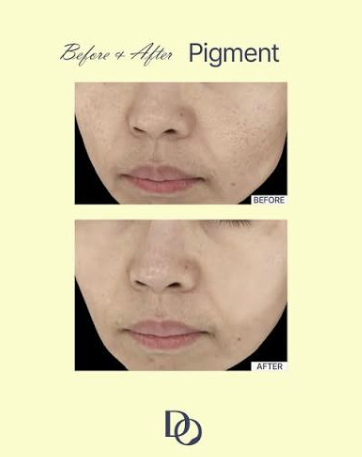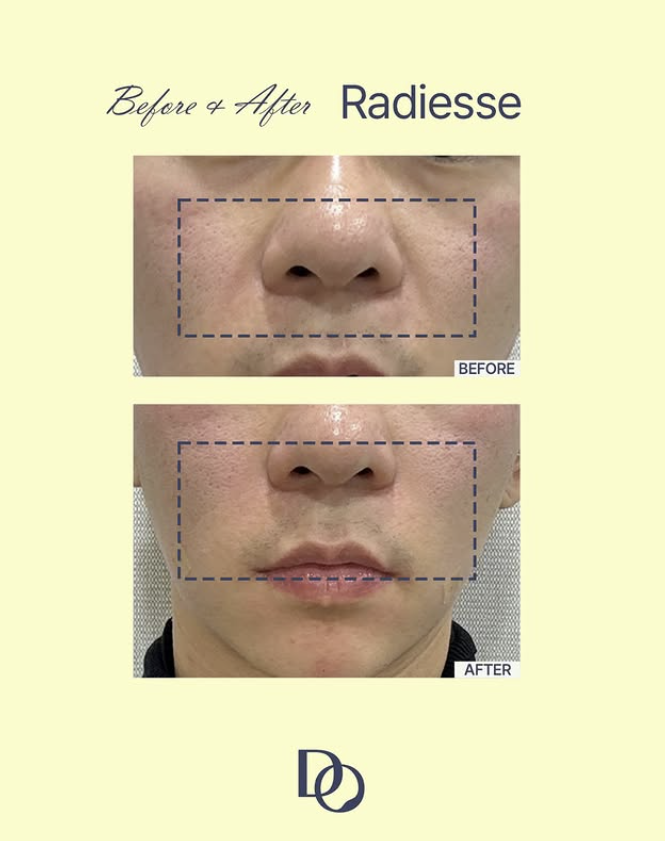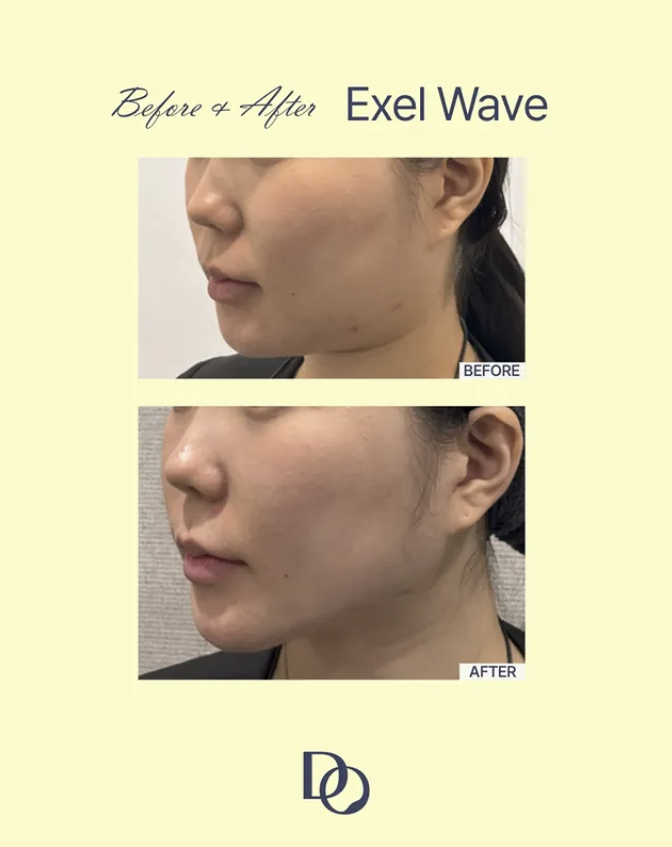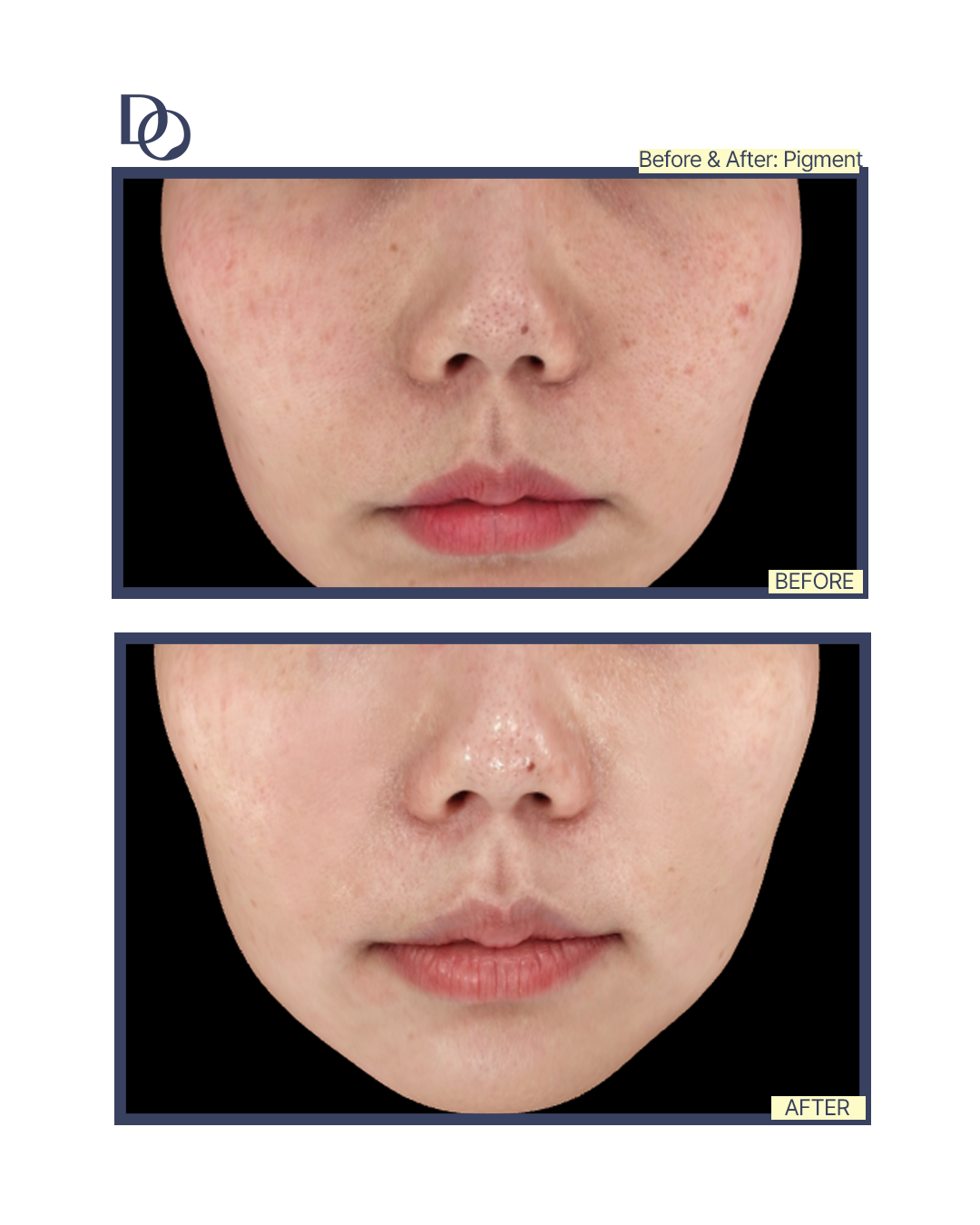
Is Glass Skin Really Possible?
Is Glass Skin Really Possible? Everything You Need to Know

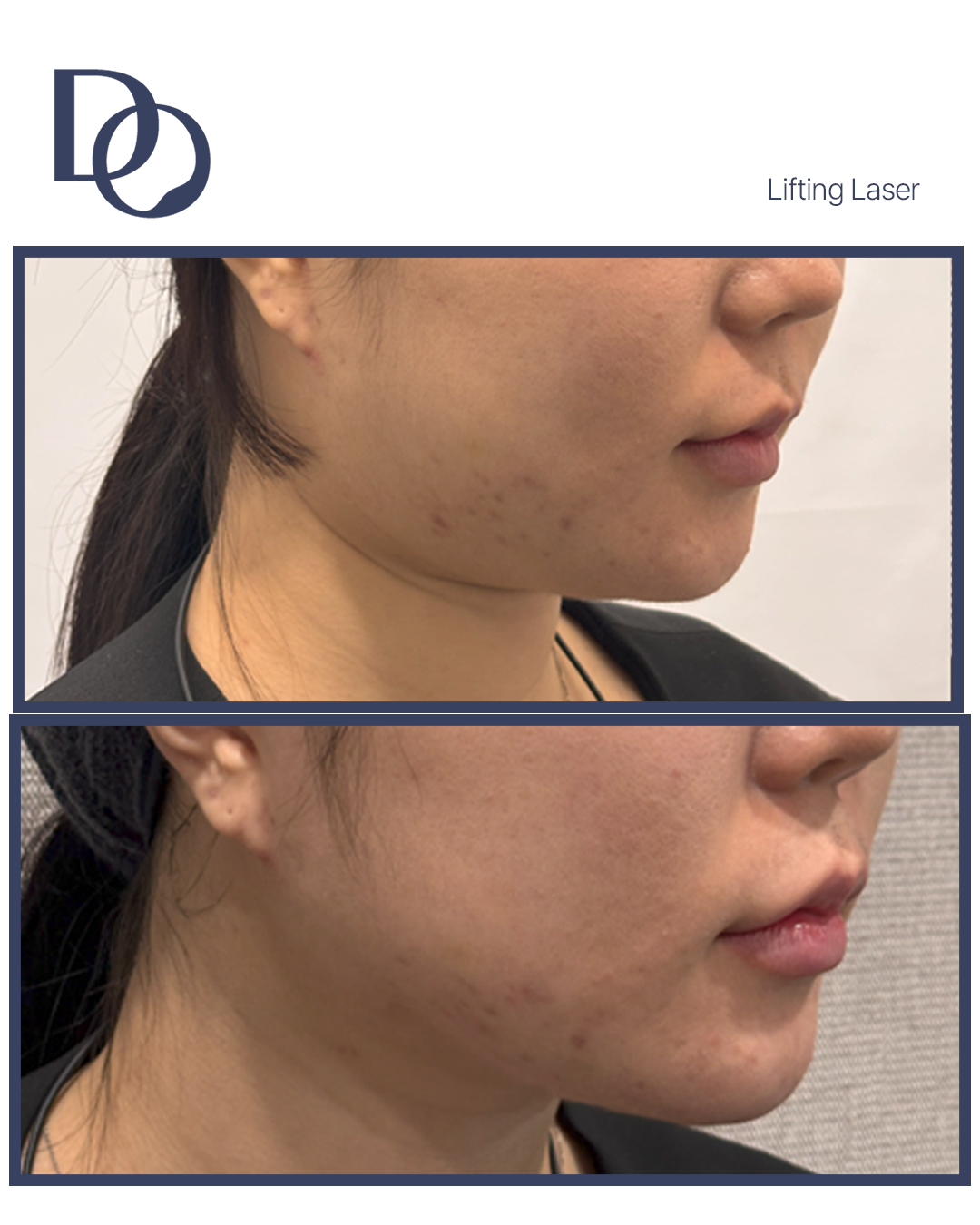
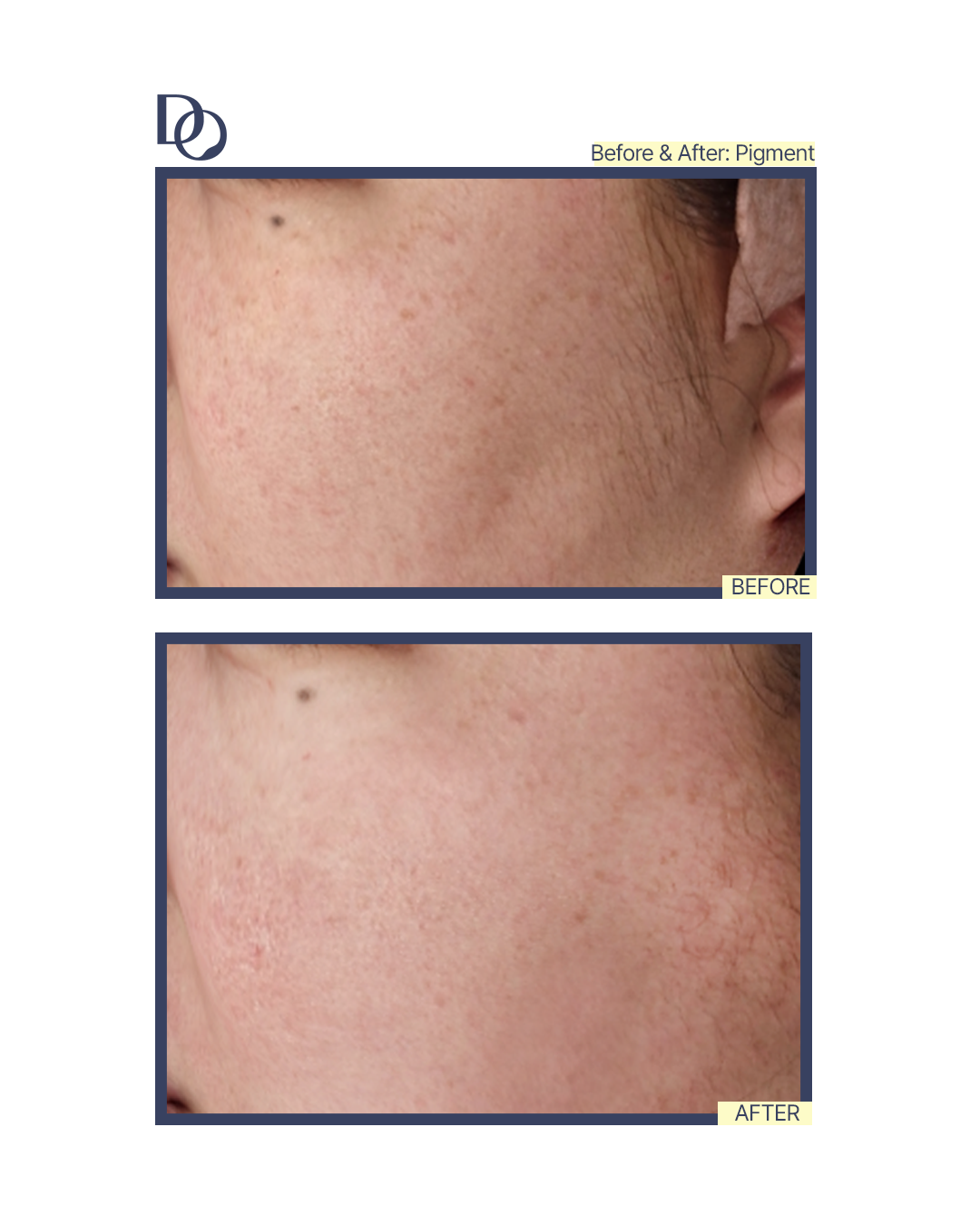
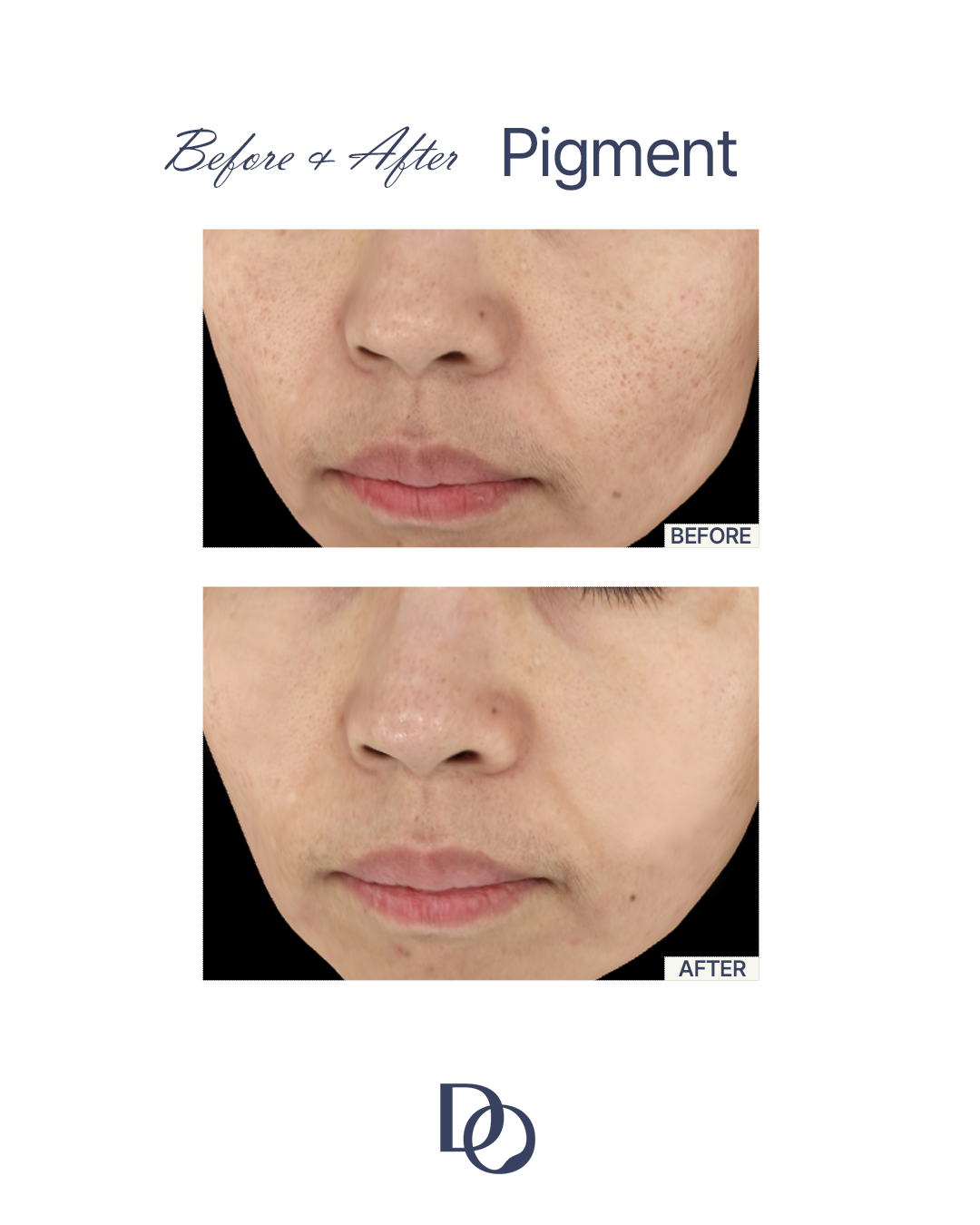
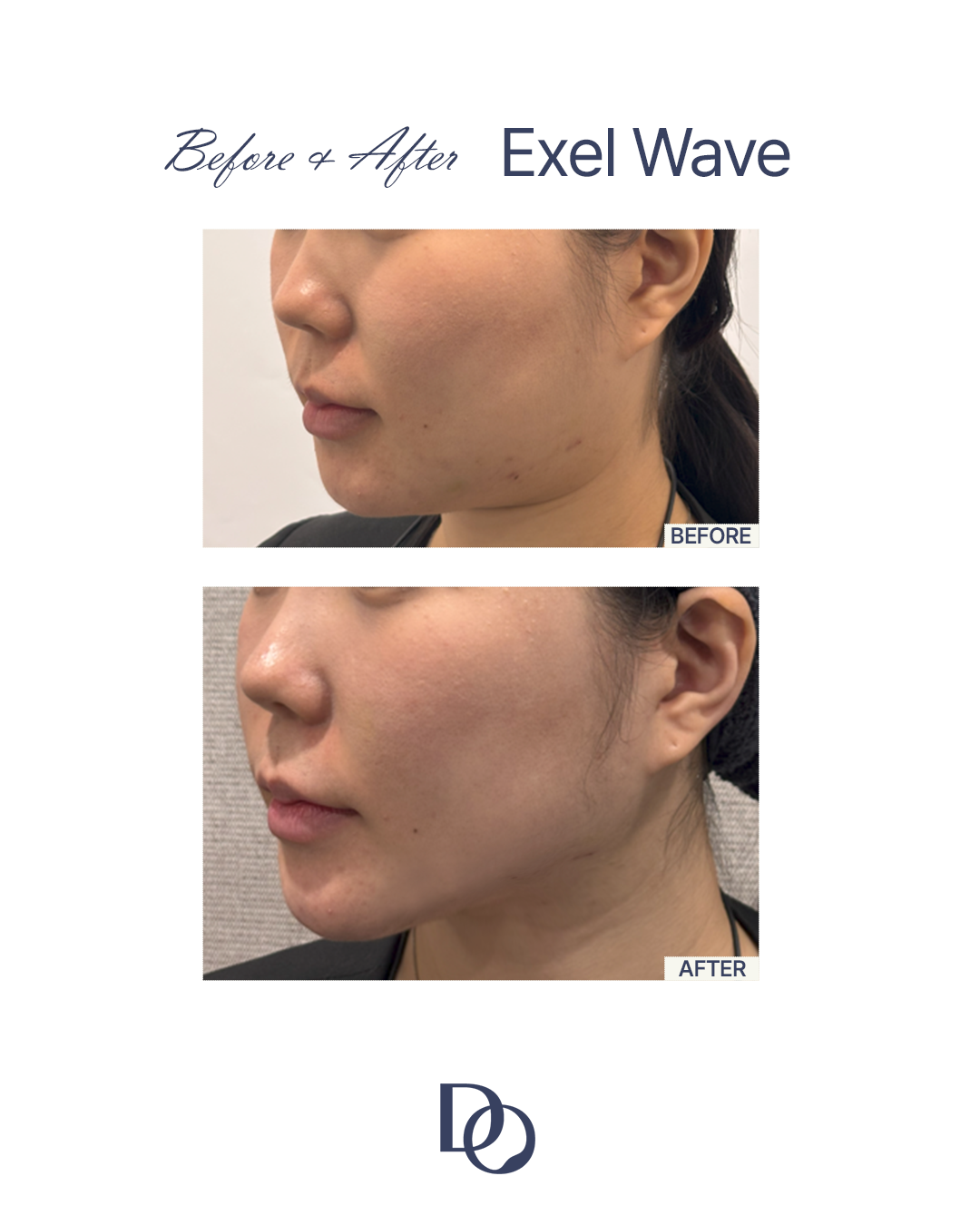
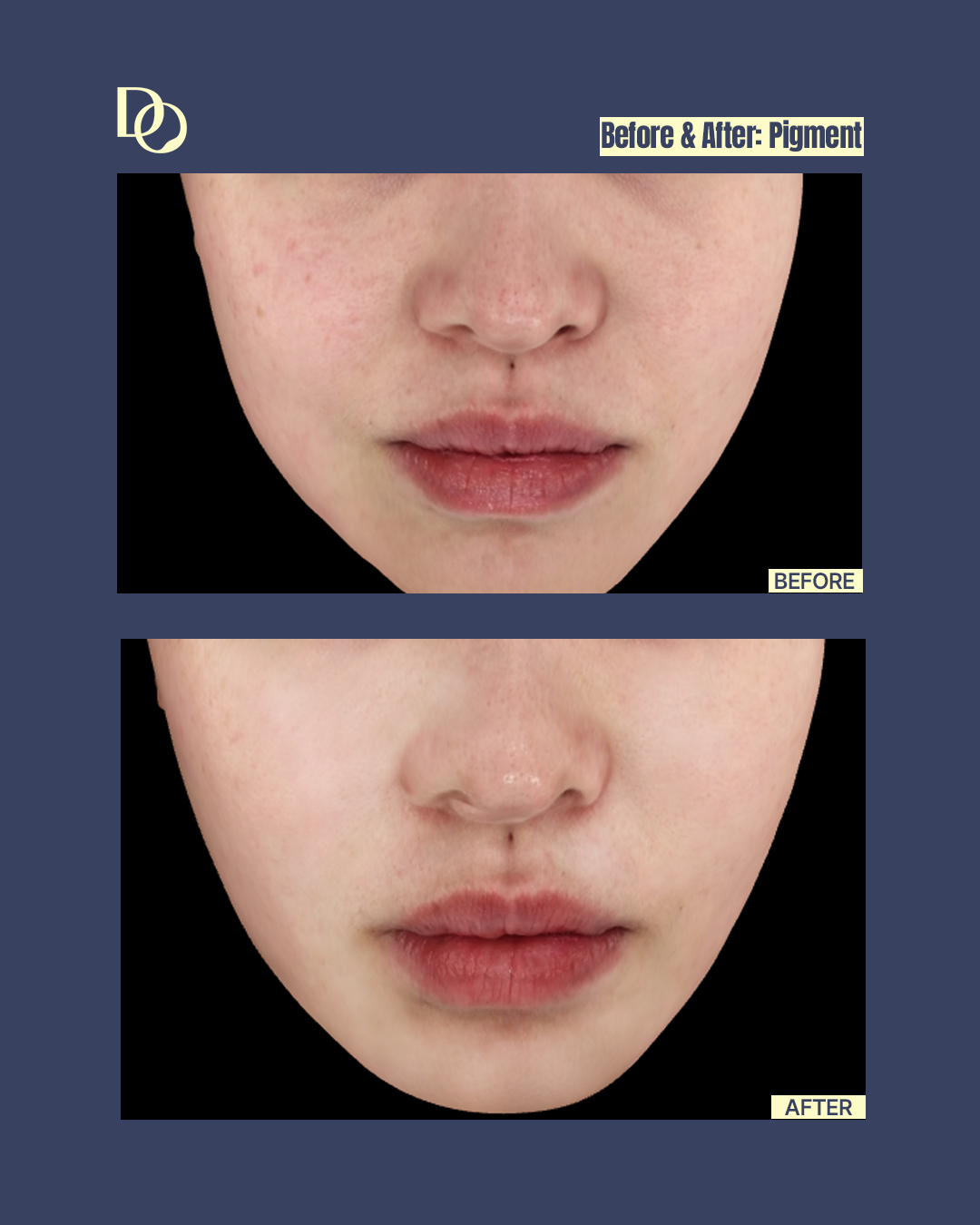
Yes, achieving "glass skin" is possible for many people, but it does not mean having completely poreless or flawless skin. Glass skin refers to healthy, deeply hydrated, smooth, and luminous skin created through consistent skincare, personalized dermatology treatments, and healthy lifestyle habits. Korean dermatology clinics often combine skin boosters, laser treatments, hydration therapy, and medical-grade skincare to help patients achieve a natural glass skin appearance.
Glass skin has become one of the most recognizable beauty trends to come out of Korea. Characterized by a smooth, radiant, and almost translucent complexion, it has inspired skincare routines and cosmetic treatments around the world.
However, many people misunderstand what glass skin actually means. It is not about using heavy makeup or filters, nor does it require naturally perfect skin. Instead, glass skin is the result of healthy skin that reflects light evenly because it is well hydrated, smooth, and properly cared for.
What Is Glass Skin?
Glass skin describes skin that appears:
- Smooth
- Clear
- Even-toned
- Deeply hydrated
- Naturally radiant
- Healthy and refreshed
Rather than looking shiny or oily, glass skin has a soft, luminous glow created by balanced skin health.
The goal is not perfection. Small pores, fine lines, and natural skin texture are completely normal. Glass skin is about improving your skin's overall condition—not eliminating every imperfection.
Can Everyone Achieve Glass Skin?
Most people can improve their skin significantly, but results vary depending on factors such as:
- Skin type
- Age
- Genetics
- Sun damage
- Hormonal changes
- Acne history
- Lifestyle habits
- Daily skincare routine
For example, someone with severe acne scarring or long-standing melasma may require more time and multiple treatments than someone with mild dryness or dullness.
The goal is to help your skin become the healthiest version of itself rather than trying to achieve an unrealistic standard.
What Prevents Glass Skin?
Several common skin concerns can reduce the smooth, radiant appearance associated with glass skin.
These include:
- Dehydration
- Uneven skin tone
- Pigmentation
- Enlarged pores
- Acne scars
- Rough texture
- Excess oil
- Chronic redness
- Fine lines
- Sun damage
A proper consultation helps identify which concerns should be treated first.
The Korean Approach to Glass Skin
One reason Korean dermatology has become well known worldwide is its focus on improving overall skin health instead of treating only one problem.
Rather than relying on a single procedure, dermatologists often combine treatments that improve hydration, collagen production, pigmentation, and skin texture simultaneously.
This gradual, personalized approach often produces more natural-looking and longer-lasting results.
Treatments That Help Create Glass Skin
Skin Boosters
Skin boosters are among the most popular treatments for achieving healthier, more hydrated skin.
Common options include:
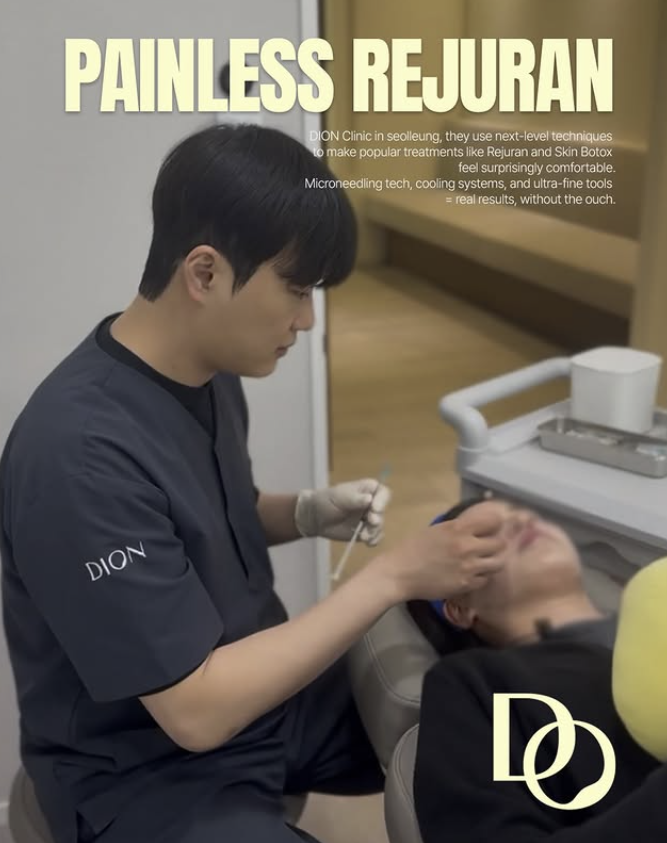
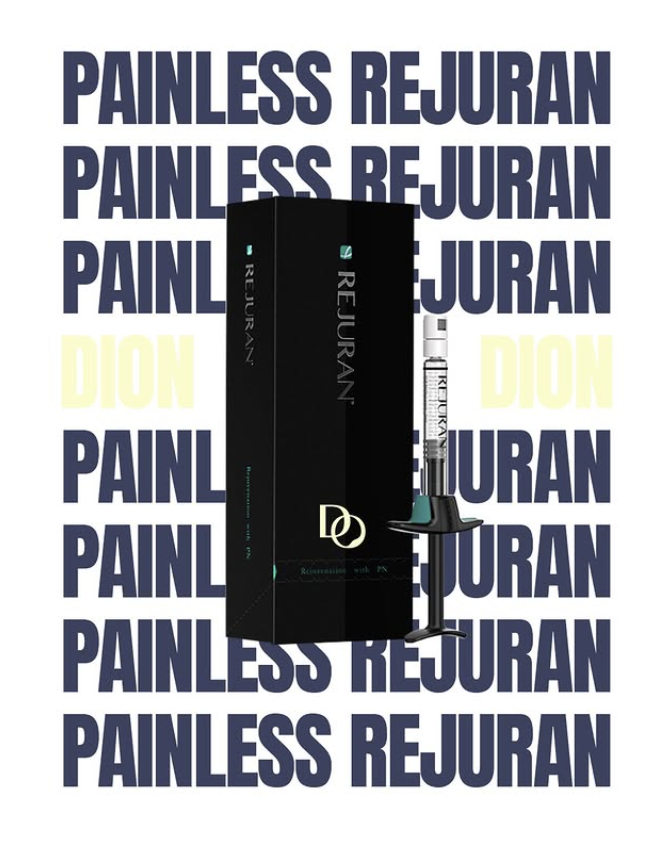
- Rejuran
- Juvelook
- PN (Polynucleotide) Skin Boosters
- Hyaluronic Acid Skin Boosters
- ECM Boosters
Benefits may include:
- Improved hydration
- Better elasticity
- Smoother texture
- Increased skin radiance
- Softer fine lines
Laser Toning
Laser toning is commonly used to gradually brighten the complexion.
It may improve:
- Mild pigmentation
- Uneven skin tone
- Dullness
- Overall skin clarity
Because it involves minimal downtime, laser toning is often incorporated into long-term maintenance programs.
Pico Laser
Modern Pico laser treatments may improve:
- Freckles
- Sunspots
- Acne marks
- Uneven pigmentation
- Overall skin quality
Some Pico laser modes also stimulate collagen production, helping improve skin texture over time.
LDM Ultrasound Therapy
LDM is frequently recommended for:
- Sensitive skin
- Hydration
- Skin barrier support
- Redness reduction
- Post-treatment recovery
Many Korean clinics combine LDM with laser treatments or skin boosters to maximize comfort and hydration.
Medical Facials
Professional facials can improve:
- Hydration
- Surface smoothness
- Skin cleanliness
- Temporary radiance
Although they are excellent maintenance treatments, medical facials alone usually cannot correct deeper pigmentation or significant collagen loss.
Why Hydration Is So Important
Hydrated skin reflects light more evenly, creating the luminous appearance associated with glass skin.
Healthy hydration also supports:
- Stronger skin barrier function
- Better elasticity
- Reduced dryness
- Smoother texture
- Improved comfort
This is one reason why skin boosters and medical-grade moisturizers are frequently included in glass skin treatment plans.
Can One Treatment Create Glass Skin?
Usually not.
Most patients achieve the best results through a combination of treatments tailored to their skin concerns.
A personalized plan may include:
- Skin boosters
- Laser toning
- Pico laser
- Gentle exfoliation
- LDM
- Medical facials
- LED therapy
- Customized skincare
Your dermatologist will determine which combination is appropriate based on your skin type, goals, and available recovery time.
Daily Habits That Support Glass Skin
Professional treatments work best when combined with healthy skincare habits.
Daily recommendations include:
- Wear sunscreen every day.
- Cleanse gently without over-washing.
- Use a moisturizer suitable for your skin type.
- Stay hydrated.
- Get enough sleep.
- Eat a balanced diet.
- Avoid smoking.
- Limit excessive alcohol consumption.
- Be consistent with your skincare routine.
Healthy skin is built gradually through regular care rather than quick fixes.
Common Myths About Glass Skin
Myth 1: Glass Skin Means Poreless Skin
False.
Everyone has pores. Glass skin simply makes them appear less noticeable by improving hydration and texture.
Myth 2: Expensive Products Alone Create Glass Skin
False.
Professional treatments, consistent skincare, sun protection, and healthy lifestyle habits all contribute to healthy skin.
Myth 3: Only Young People Can Achieve Glass Skin
False.
Patients of many ages can improve hydration, texture, and radiance with appropriate treatments.
Myth 4: More Treatments Always Produce Better Results
False.
Over-treating the skin can lead to irritation and compromise the skin barrier. A balanced, personalized approach is generally more effective.
How Long Does It Take to Achieve Glass Skin?
This depends on your starting point.
Patients with relatively healthy skin may notice improvements after just a few treatments.
Those with concerns such as acne scars, pigmentation, or significant sun damage may require multiple sessions over several months.
Consistency is far more important than expecting overnight transformation.
Is Glass Skin Worth It?
For many people, yes.
Rather than chasing unrealistic perfection, glass skin treatments focus on improving:
- Skin health
- Hydration
- Texture
- Brightness
- Elasticity
- Overall confidence
The goal is healthy, naturally radiant skin that looks refreshed in everyday life—not only in photographs.
Why International Patients Choose Korea for Glass Skin Treatments
Many international patients visit Korean dermatology clinics because they offer:
- Advanced laser technology
- Customized treatment plans
- Experienced doctors
- Modern skin analysis
- Combination treatment programs
- Efficient appointments
- English-speaking support at many clinics
Korean clinics generally focus on gradual, natural improvements that prioritize long-term skin health.
Final Thoughts
Glass skin is not a marketing myth, but it is often misunderstood. It is less about achieving flawless, poreless skin and more about creating healthy, hydrated, smooth, and radiant skin through consistent care.
By combining professional dermatology treatments such as skin boosters, laser toning, Pico laser, LDM, and personalized skincare with healthy daily habits, many people can significantly improve their skin quality and achieve the luminous, natural glow that defines the Korean glass skin look.