Acne Treatment for Sensitive Skin
Acne Treatment for Sensitive Skin: How to Clear Breakouts Without Irritating Your Skin

Treating acne on sensitive skin requires balancing acne control with protecting the skin barrier. Korean dermatology clinics create personalized treatment plans that reduce inflammation, unclog pores, and prevent future breakouts while minimizing irritation through gentle medical treatments, advanced laser technology, barrier repair, and customized skincare.
Many people with acne also struggle with sensitive skin. While strong acne products may reduce breakouts, they can also cause dryness, redness, peeling, and irritation, making sensitive skin even more reactive.
Korean dermatologists take a different approach. Instead of using aggressive treatments alone, they focus on controlling acne while maintaining a healthy skin barrier. This balanced strategy helps improve both acne and skin sensitivity for healthier, clearer skin over time.
Why Is Sensitive Skin More Difficult to Treat?
Sensitive skin reacts more easily to irritation.
Common symptoms include:
- Redness
- Dryness
- Burning sensations
- Stinging
- Peeling
- Tightness
- Easily irritated skin
When the skin barrier becomes damaged, acne treatments may become difficult to tolerate, leading many patients to stop treatment too early.
Protecting the skin barrier is therefore an important part of successful acne management.
What Causes Acne in Sensitive Skin?
The causes of acne are generally the same regardless of skin type.
These include:
- Excess oil production
- Clogged pores
- Acne-causing bacteria
- Inflammation
- Hormonal changes
- Genetics
However, people with sensitive skin are more likely to develop irritation from acne medications if treatment is not carefully adjusted.
Step 1: Professional Skin Assessment
Every treatment plan begins with a comprehensive consultation.
A dermatologist evaluates:
- Acne severity
- Skin sensitivity
- Oil production
- Skin barrier health
- Acne scars
- Previous treatments
- Lifestyle factors
This allows treatment intensity to be adjusted according to your skin's tolerance.
Step 2: Gentle Prescription Treatment
Sensitive skin often benefits from gradually introducing prescription medications.
Depending on your condition, your dermatologist may recommend:
- Low-strength topical retinoids
- Azelaic acid
- Benzoyl peroxide in appropriate formulations
- Topical antibiotics
- Oral medications when necessary
Treatment frequency may be increased gradually to minimize irritation while maintaining effectiveness.
Step 3: Professional Acne Extraction
Professional extraction safely removes:
- Blackheads
- Whiteheads
- Congested pores
Because extraction reduces pore blockage, it may decrease the need for excessive scrubbing or squeezing at home, helping protect sensitive skin.
Step 4: Gentle Chemical Peels
Not all chemical peels are harsh.
When selected appropriately, medical-grade peels can help:
- Reduce clogged pores
- Improve skin texture
- Control excess oil
- Fade post-acne marks
Your dermatologist will choose a peel that matches your skin's sensitivity.
Step 5: Laser Treatments
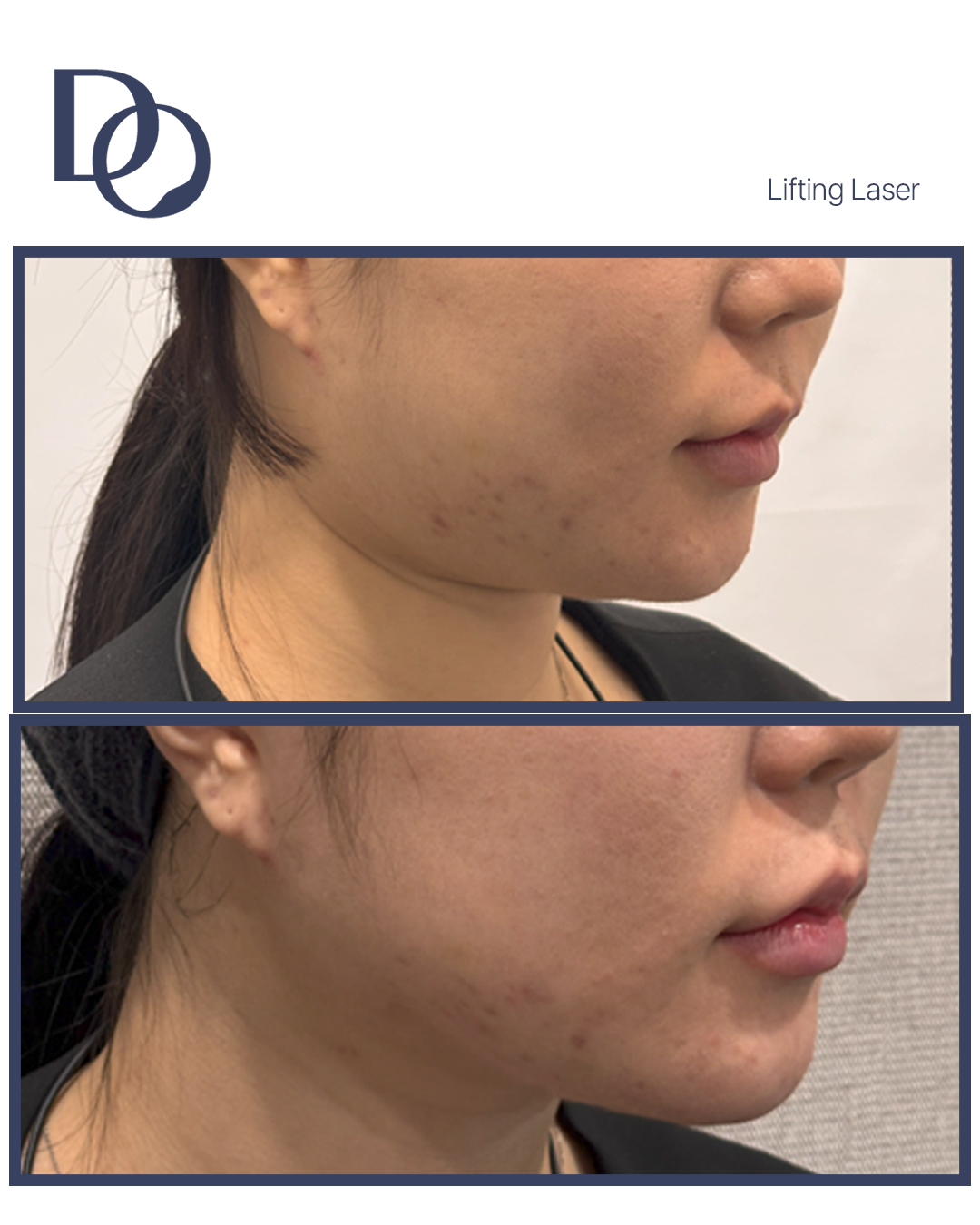
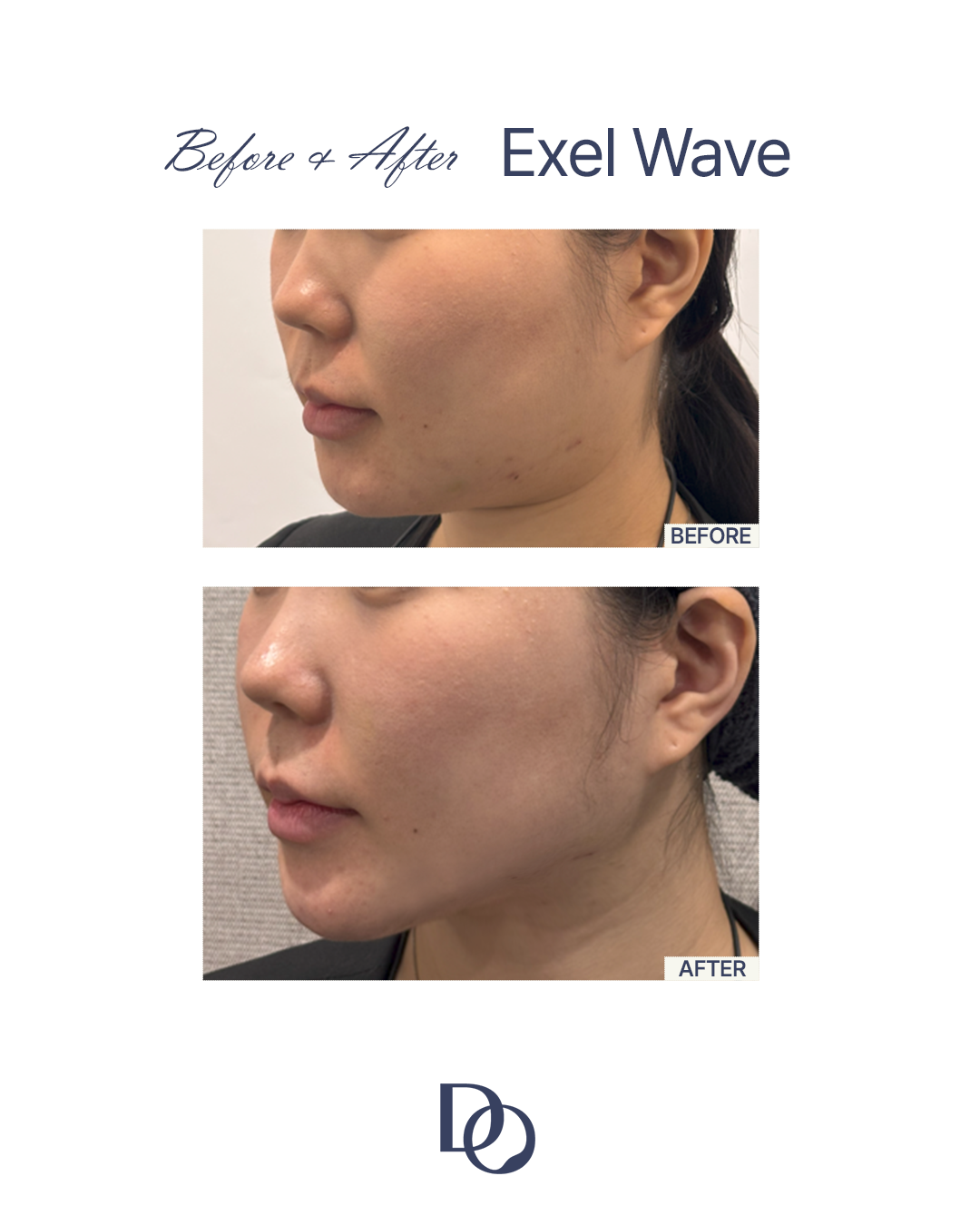
Several laser treatments can improve acne while minimizing irritation.
Depending on your skin condition, your dermatologist may recommend:
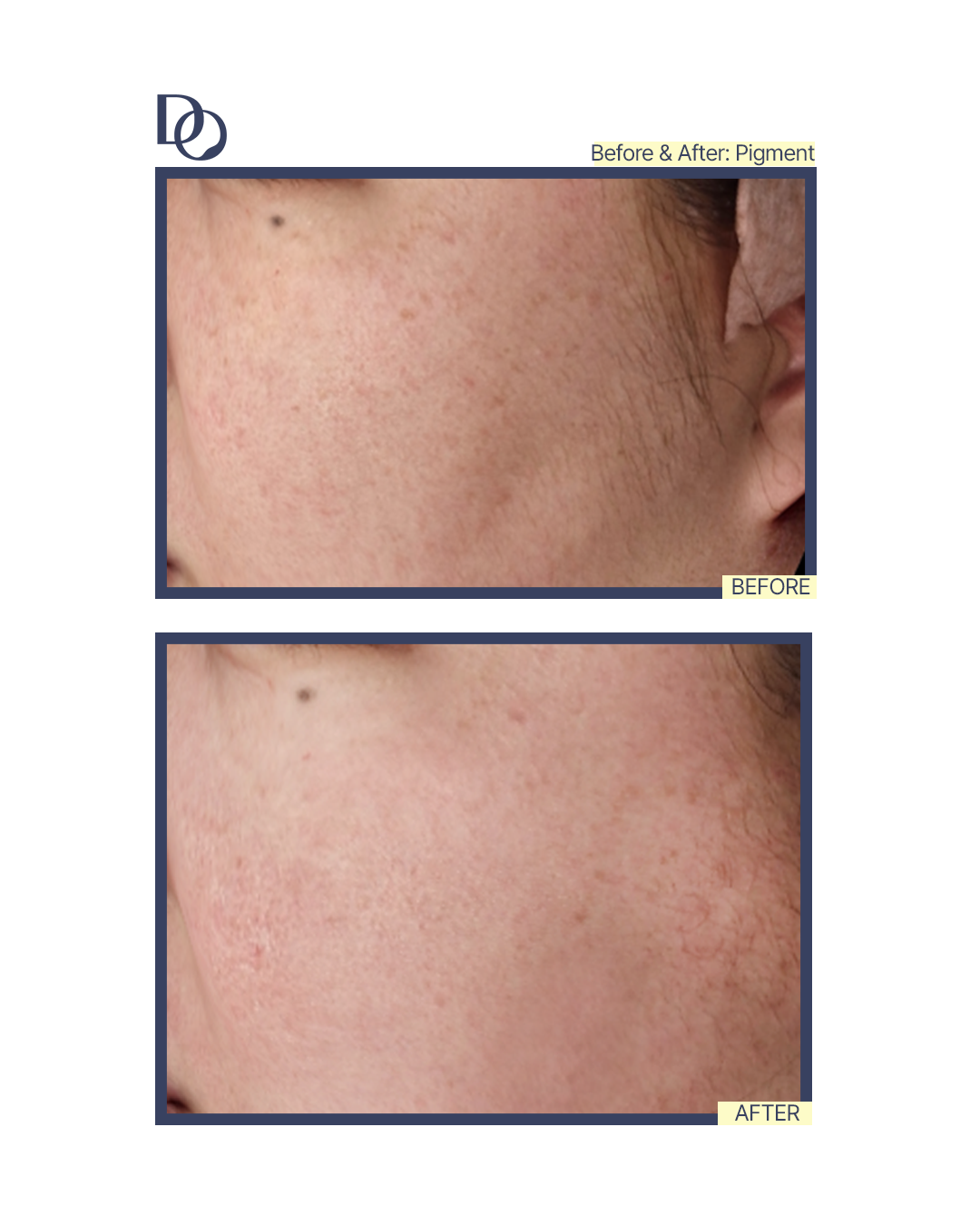
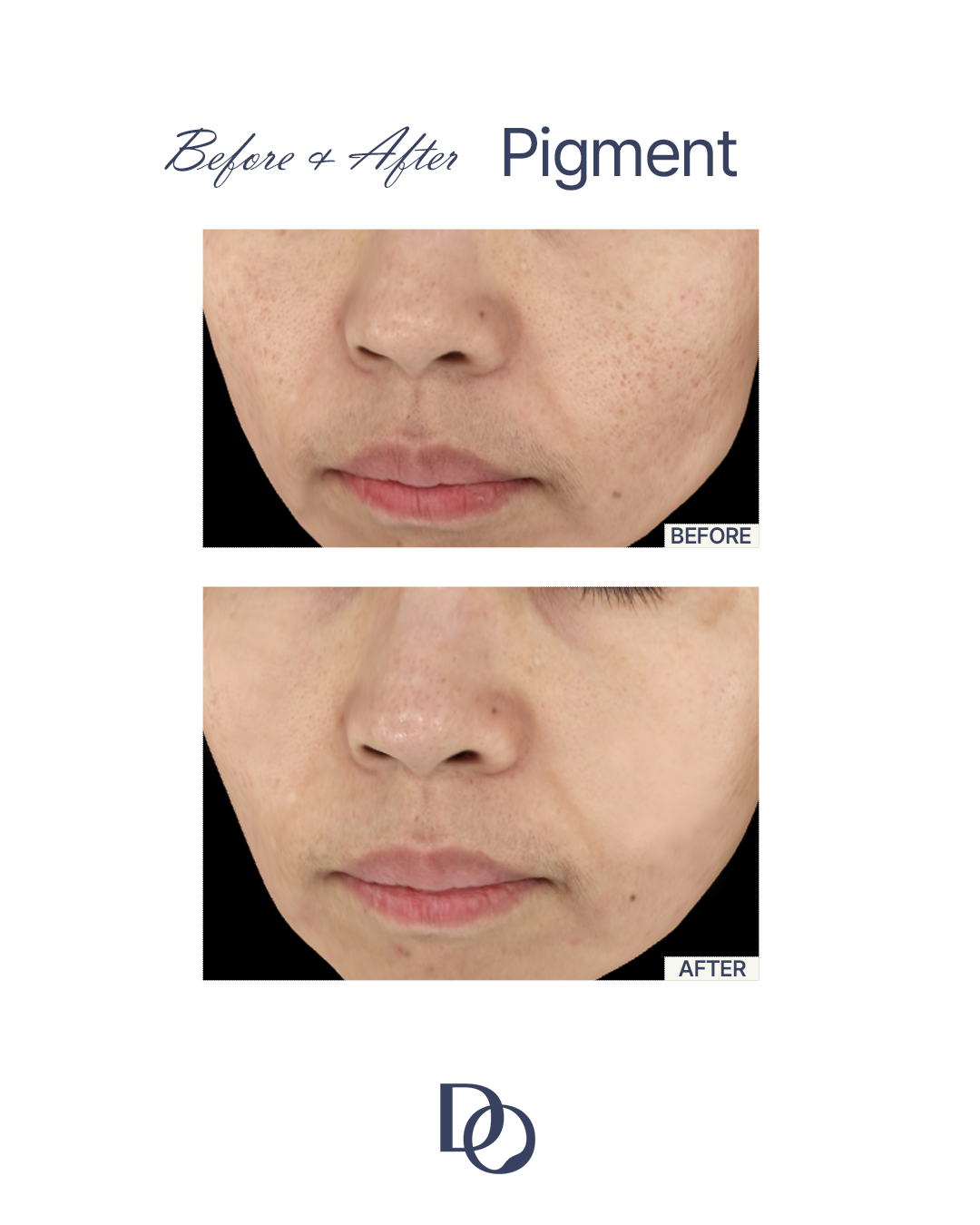
- Laser toning
- Nd laser
- Vascular laser
- Low-downtime laser treatments
These procedures may help reduce inflammation, calm redness, and improve skin quality while avoiding excessive irritation.
Step 6: Skin Barrier Repair
One of the most important steps for sensitive skin is restoring the skin barrier.
Your dermatologist may recommend treatments such as:
- Rejuran
- PN skin boosters
- Gentle hydrating treatments
These treatments support skin repair, improve hydration, and strengthen the skin barrier after inflammation has improved.
Step 7: Medical-Grade Skincare
A simple skincare routine is often best for sensitive, acne-prone skin.
Your dermatologist may recommend:
- Gentle cleanser
- Lightweight moisturizer
- Broad-spectrum sunscreen
- Non-comedogenic products
- Barrier-supporting ingredients
Avoiding unnecessary or irritating products can reduce flare-ups while improving treatment tolerance.
Ingredients That May Benefit Sensitive Acne-Prone Skin
Depending on your skin type, your dermatologist may recommend ingredients such as:
- Azelaic acid
- Niacinamide
- Ceramides
- Hyaluronic acid
- Panthenol
These ingredients help calm inflammation while supporting the skin barrier.
Treating Acne Scars After Acne Improves
Once active acne is controlled, scar treatment can begin.
Popular options include:
- Fractional laser
- RF microneedling
- Juvelook
- Rejuran
- Exosome therapy
Your dermatologist will select treatments that match both your scar type and your skin sensitivity.
How Long Does Treatment Take?
Sensitive skin often requires a gradual approach.
Many patients notice improvement within 6–12 weeks, although treatment may progress more slowly than with less sensitive skin to minimize irritation.
Consistency is more important than aggressive treatment.
Tips for Managing Sensitive Acne-Prone Skin
To support your treatment results:
- Cleanse gently twice daily
- Avoid scrubbing the skin
- Moisturize regularly
- Wear sunscreen every day
- Avoid picking pimples
- Introduce new skincare products gradually
- Follow your dermatologist's instructions carefully
These habits help maintain a healthy skin barrier while reducing future breakouts.
Who Is a Good Candidate for Professional Treatment?
Professional treatment may be appropriate if you have:
- Sensitive skin with acne
- Acne that worsens with over-the-counter products
- Persistent redness
- Adult acne
- Hormonal acne
- Acne scars
- Dry yet acne-prone skin
A personalized consultation helps identify treatments that effectively control acne while minimizing irritation.
Why Choose Seoul for Acne Treatment?
Seoul is internationally recognized for personalized dermatology care.
International patients choose Korean skin clinics because they offer:
- Experienced board-certified dermatologists
- Advanced laser technologies
- Personalized treatment plans
- Comprehensive skin analysis
- Skin barrier-focused treatment strategies
- English-friendly services for international patients
Rather than using aggressive treatments alone, Korean dermatologists focus on restoring healthy skin while safely controlling acne and preventing long-term scarring.
Final Thoughts
Sensitive skin doesn't mean you have to live with acne. With the right balance of medical treatment, professional procedures, barrier repair, and gentle skincare, it is possible to reduce breakouts without causing excessive irritation.
The best treatment plan is one that is tailored to your skin's unique needs. An experienced Korean dermatologist can develop a personalized approach that helps calm inflammation, strengthen your skin barrier, prevent future acne, and promote healthier, clearer skin over the long term.