Fractional Laser vs Pico Laser
Fractional Laser vs Pico Laser: Which Is Better for Your Skin?

Fractional laser and Pico laser are both highly effective skin treatments, but they target different concerns. Fractional lasers primarily improve acne scars, wrinkles, and skin texture through collagen remodeling, while Pico lasers excel at treating pigmentation, melasma, tattoos, and overall skin rejuvenation with minimal downtime.
If you're considering laser treatment in Seoul, one of the most common questions is whether Fractional Laser or Pico Laser is the better choice. The answer depends on your skin concerns, desired results, and recovery time.
Both technologies are widely used in Korean dermatology clinics, but they work in completely different ways. Understanding these differences can help you choose the treatment that's right for your skin.
How Does a Fractional Laser Work?
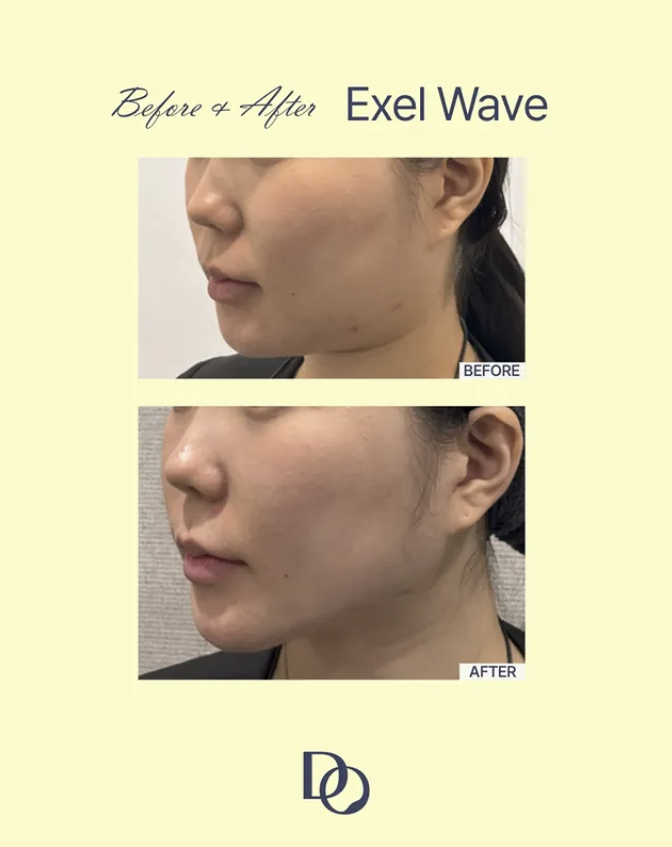
Fractional laser creates thousands of microscopic treatment zones within the skin while leaving surrounding tissue untouched. These tiny controlled injuries stimulate the body's natural healing response, encouraging new collagen and elastin production.
Rather than treating the entire skin surface, only a fraction of the skin is treated during each session, allowing for faster healing compared to traditional resurfacing lasers.
Fractional lasers are available in both ablative and non-ablative forms. Ablative lasers provide stronger resurfacing and collagen remodeling but require longer downtime, while non-ablative lasers offer gentler treatment with quicker recovery.
How Does a Pico Laser Work?
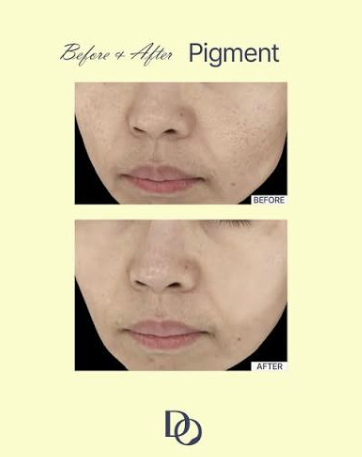
Pico laser delivers ultra-short pulses measured in picoseconds (one trillionth of a second). Instead of using heat as the primary mechanism, Pico laser creates a photoacoustic effect that breaks pigment into tiny particles while minimizing thermal damage to surrounding tissue.
This makes Pico laser particularly effective for pigmentation disorders while also stimulating collagen production for overall skin rejuvenation.
Many newer Pico systems also include fractional modes that improve skin texture with significantly less downtime than traditional resurfacing lasers.
Fractional Laser vs Pico Laser: What's the Difference?
Although both treatments stimulate collagen, they are designed for different skin concerns.
Fractional Laser is Best For
- Acne scars
- Surgical scars
- Wrinkles
- Fine lines
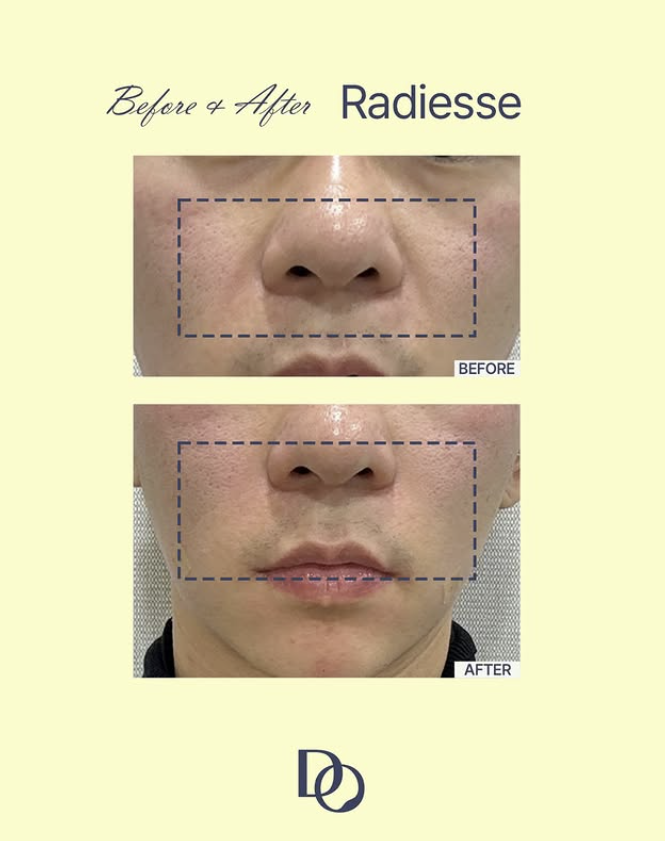
- Enlarged pores
- Rough skin texture
- Sun-damaged skin
- Deep collagen remodeling
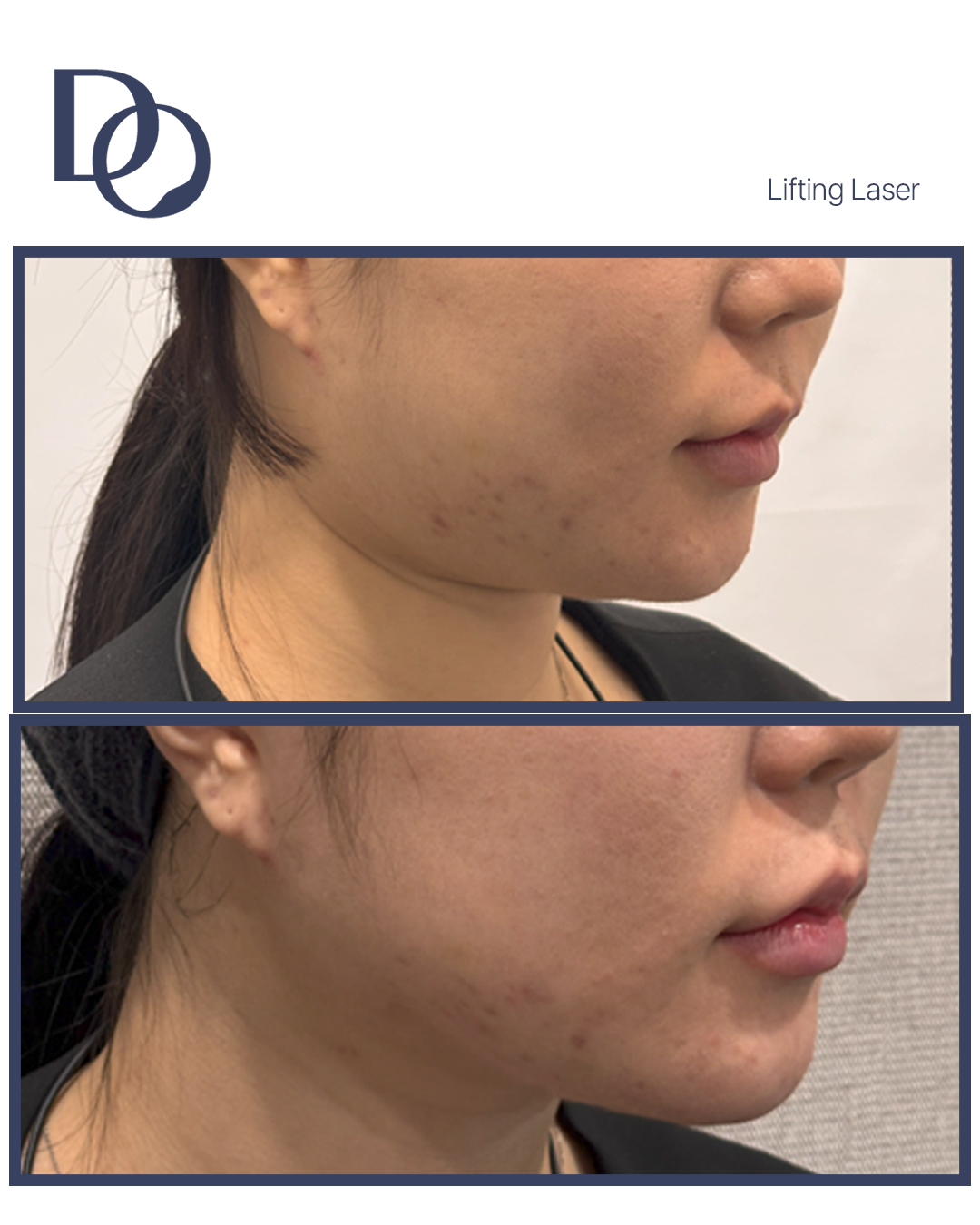
Fractional lasers physically remodel damaged skin, making them the preferred choice for structural skin improvement.
Pico Laser is Best For
- Melasma
- Freckles
- Sun spots
- Age spots
- Post-inflammatory hyperpigmentation
- Tattoo removal
- Skin brightening
- Mild pore improvement
- Overall skin rejuvenation
Pico laser is primarily a pigmentation laser but also provides gentle collagen stimulation for healthier-looking skin.
Which Laser Is Better for Acne Scars?
For moderate to severe acne scars, fractional laser generally produces more dramatic improvement because it stimulates deeper collagen remodeling.
Fractional lasers are particularly effective for:
- Boxcar scars
- Rolling scars
- Texture irregularities
- Atrophic acne scars
However, many Korean dermatologists combine treatments.
For example:
- Fractional laser improves the scars.
- Pico laser treats the pigmentation left behind by acne.
- RF microneedling enhances collagen remodeling.
- Subcision releases tethered scars.
This combination approach often delivers better overall results than using a single laser alone.
Which Laser Is Better for Pigmentation?
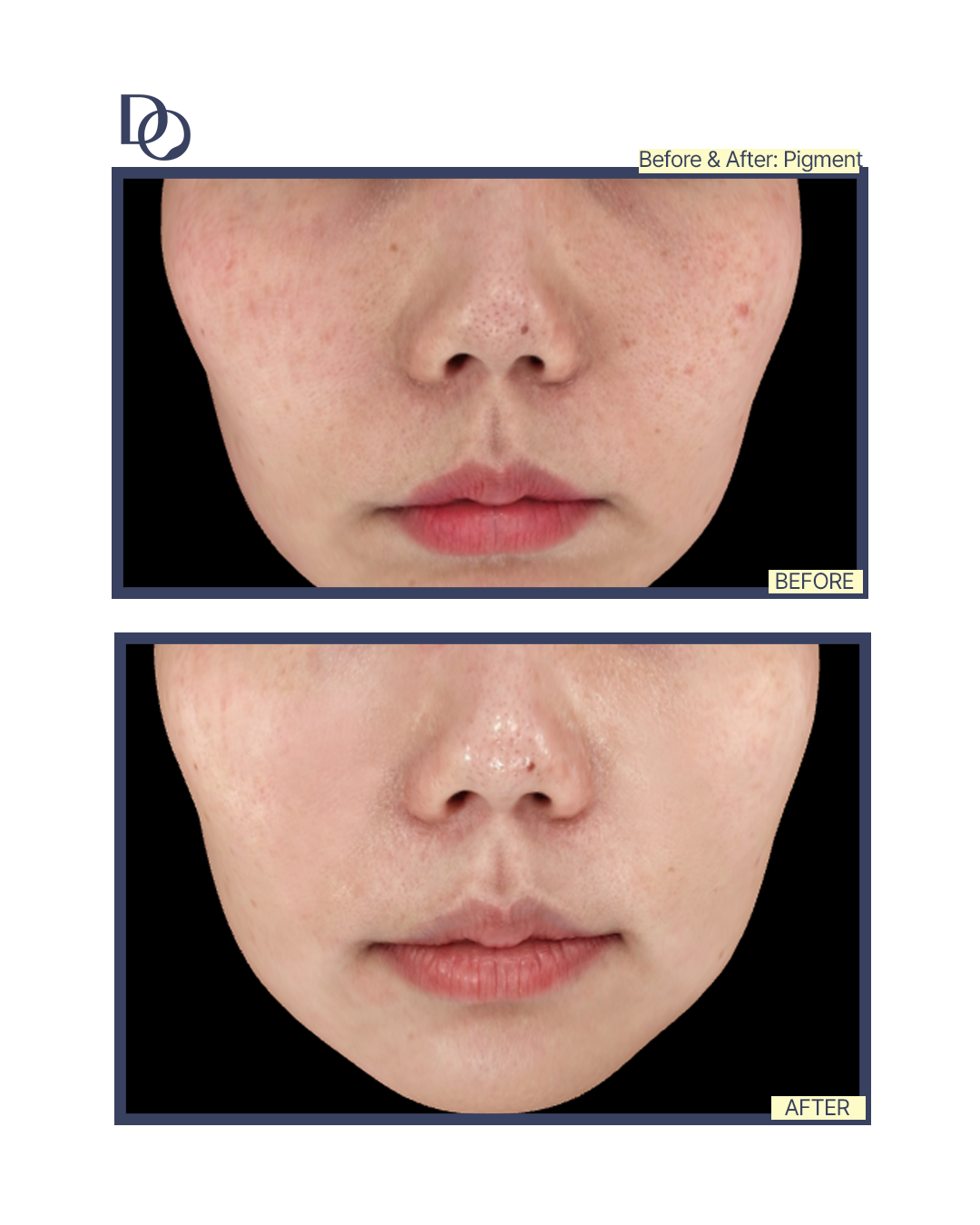
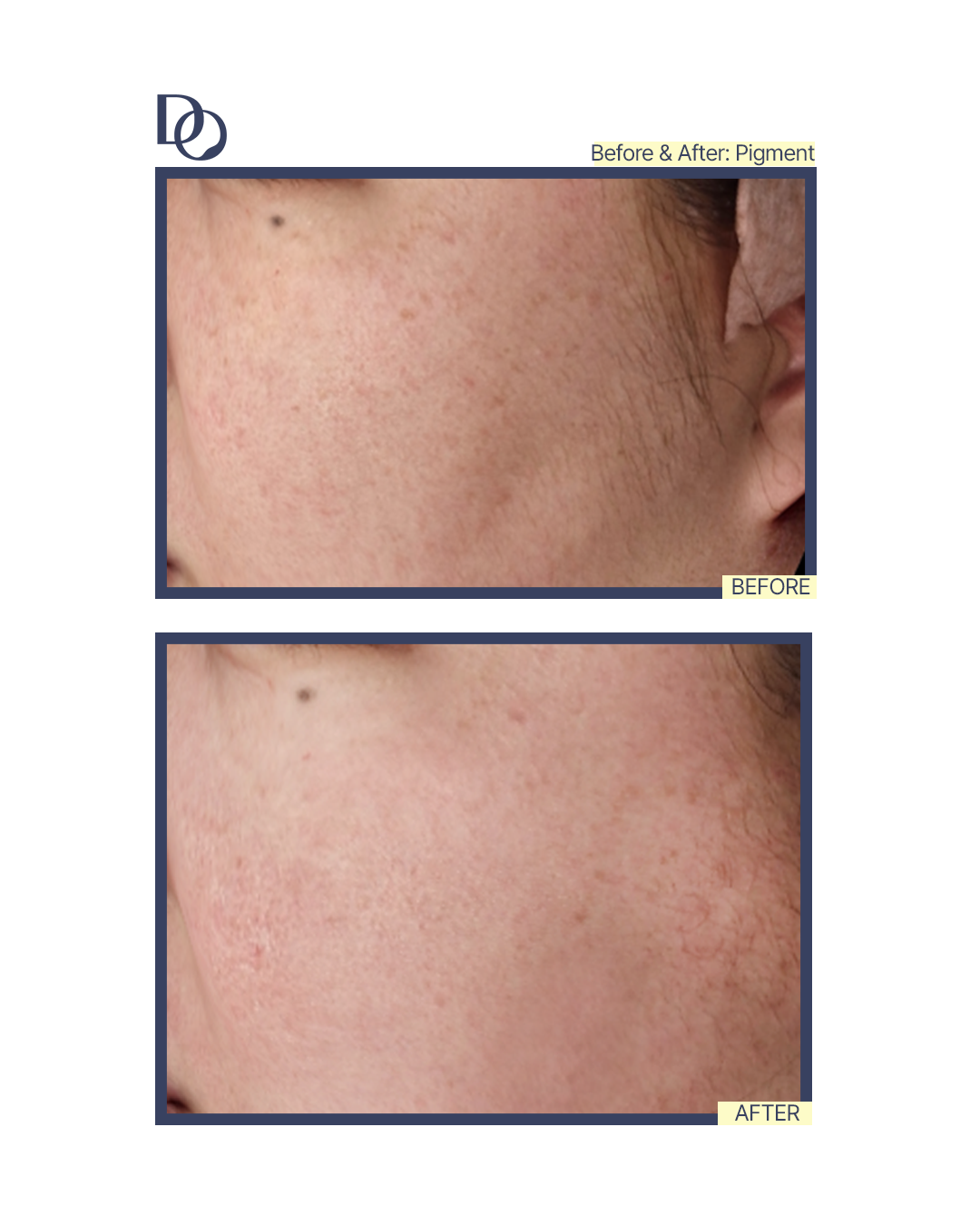
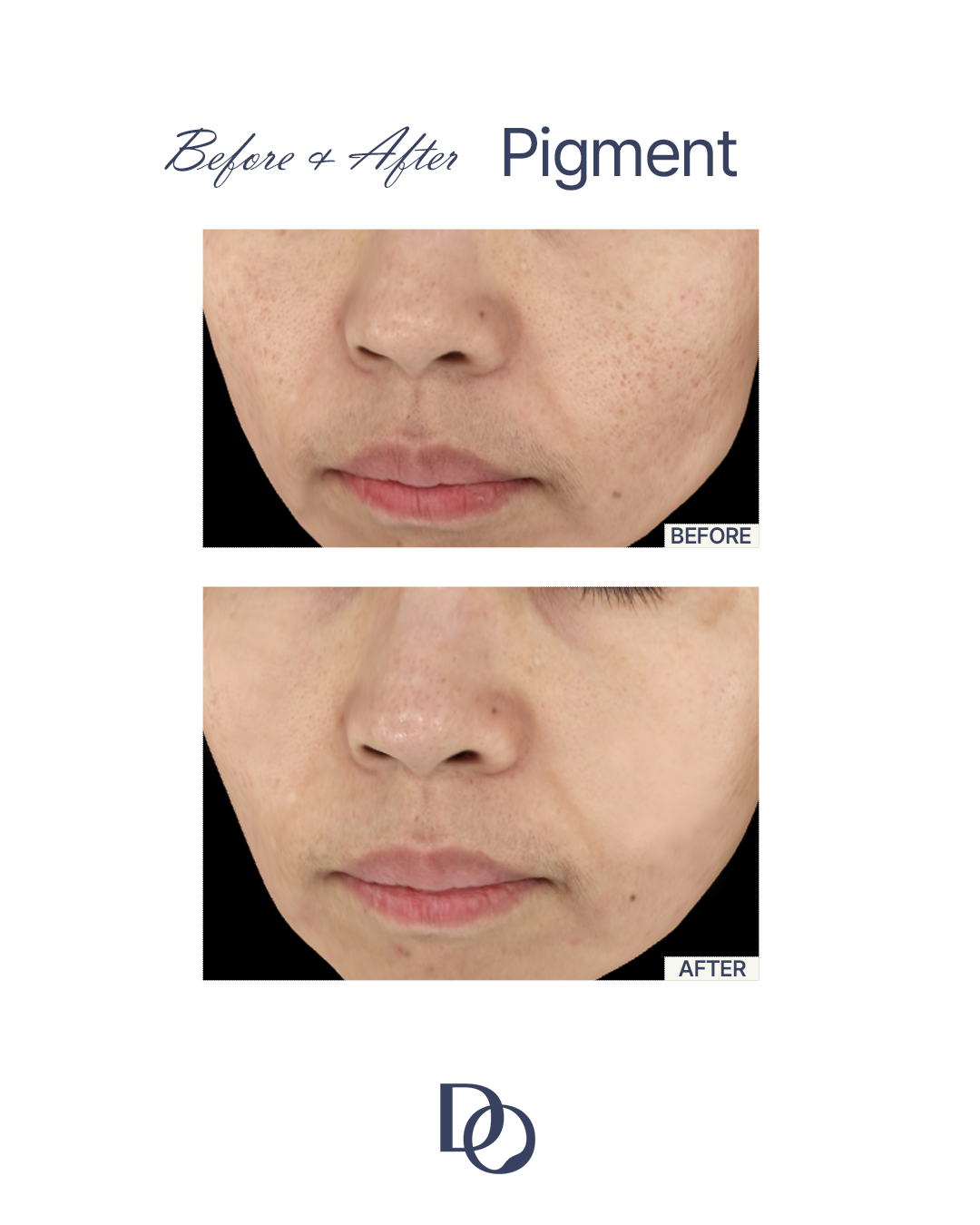
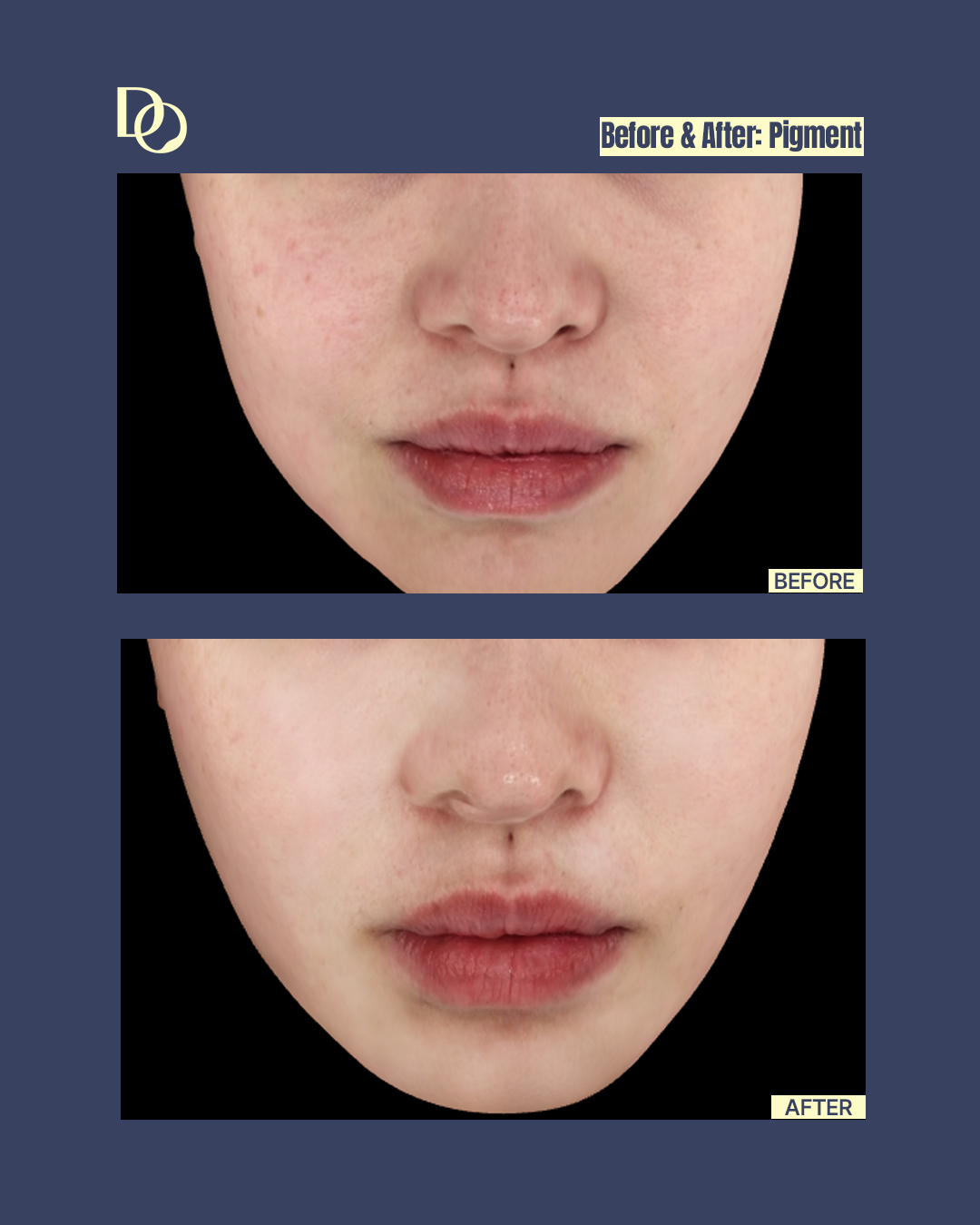
Pico laser is considered one of the best options for pigmentation concerns.
It effectively treats:
- Melasma
- Freckles
- Sun damage
- Brown spots
- Uneven skin tone
Because Pico laser uses ultra-short pulses with minimal heat, it reduces the risk of post-inflammatory hyperpigmentation, making it an excellent option for Asian skin.
Which Laser Has Less Downtime?
If your schedule is busy, downtime may be an important consideration.
Fractional Laser
Recovery varies depending on the intensity of treatment.
You may experience:
- Redness
- Swelling
- Dryness
- Peeling
- Small crusts
Most patients recover within 5–10 days after an ablative fractional laser, while non-ablative treatments usually require only a few days.
Pico Laser
Pico laser typically involves much shorter recovery.
Patients usually experience:
- Mild redness
- Slight swelling
- Temporary warmth
Most people return to work or daily activities within one or two days.
Which Laser Produces Faster Results?
Pico laser often produces noticeable improvements in skin brightness and pigmentation after the first treatment.
Fractional laser works differently.
Although some improvement may be visible within a few weeks, collagen remodeling continues for several months, resulting in gradual improvement in acne scars and skin texture.
Can Fractional Laser and Pico Laser Be Combined?
Yes. In fact, many Korean dermatology clinics recommend combining both treatments because they address different skin concerns.
A customized treatment plan may include:
- Fractional laser for acne scars and collagen remodeling
- Pico laser for pigmentation correction
- Skin boosters to improve hydration and healing
- RF microneedling for additional collagen stimulation
This comprehensive approach allows multiple skin concerns to be treated at the same time.
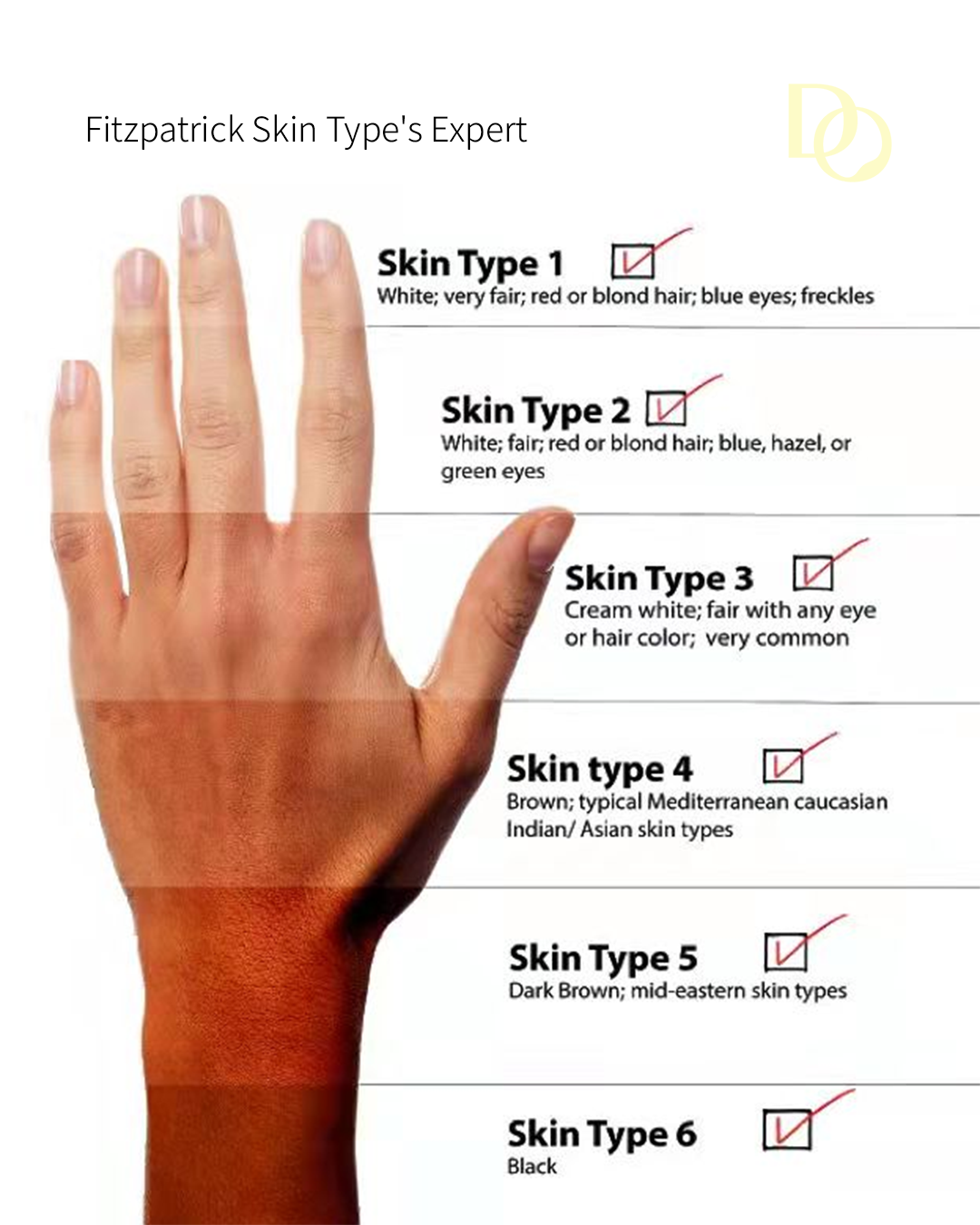
Which Treatment Is Better for Asian Skin?
Both lasers are safe for Asian skin when performed by experienced dermatologists.
However, proper diagnosis and treatment settings are essential because Asian skin is more prone to post-inflammatory hyperpigmentation.
An experienced dermatologist will recommend the safest laser, appropriate energy settings, and treatment intervals based on your skin type and concerns.
How Many Sessions Are Needed?
The number of sessions depends on your goals.
Fractional laser often requires:
- 3–5 sessions for acne scars
- Treatments every 4–8 weeks
Pico laser typically requires:
- 3–10 sessions for pigmentation
- Multiple treatments for melasma
- Additional sessions depending on the severity of discoloration
Your dermatologist may adjust the treatment plan as your skin responds.
Why Choose Seoul for Laser Skin Treatments?
Seoul is recognized as one of the world's leading destinations for advanced laser dermatology.
International patients choose Korean skin clinics because they offer:
- State-of-the-art laser technology
- Experienced dermatologists
- Personalized treatment plans
- Advanced skin analysis
- Combination laser therapies
- English-friendly services for international patients
Rather than relying on a single device, Korean clinics focus on selecting the most effective combination of treatments for each individual's skin.
Final Thoughts
When comparing Fractional Laser vs Pico Laser, neither treatment is universally better—they simply serve different purposes.
If your primary concern is acne scars, wrinkles, enlarged pores, or rough skin texture, Fractional Laser is usually the more effective choice.
If you're looking to treat pigmentation, melasma, sun spots, or brighten your complexion with minimal downtime, Pico Laser is often the better option.
For many patients, the best results come from combining both technologies as part of a personalized treatment plan designed by an experienced Korean dermatologist.