How to Prevent Melasma Recurrence
How to Prevent Melasma Recurrence: Long-Term Strategies for Clearer, More Even Skin

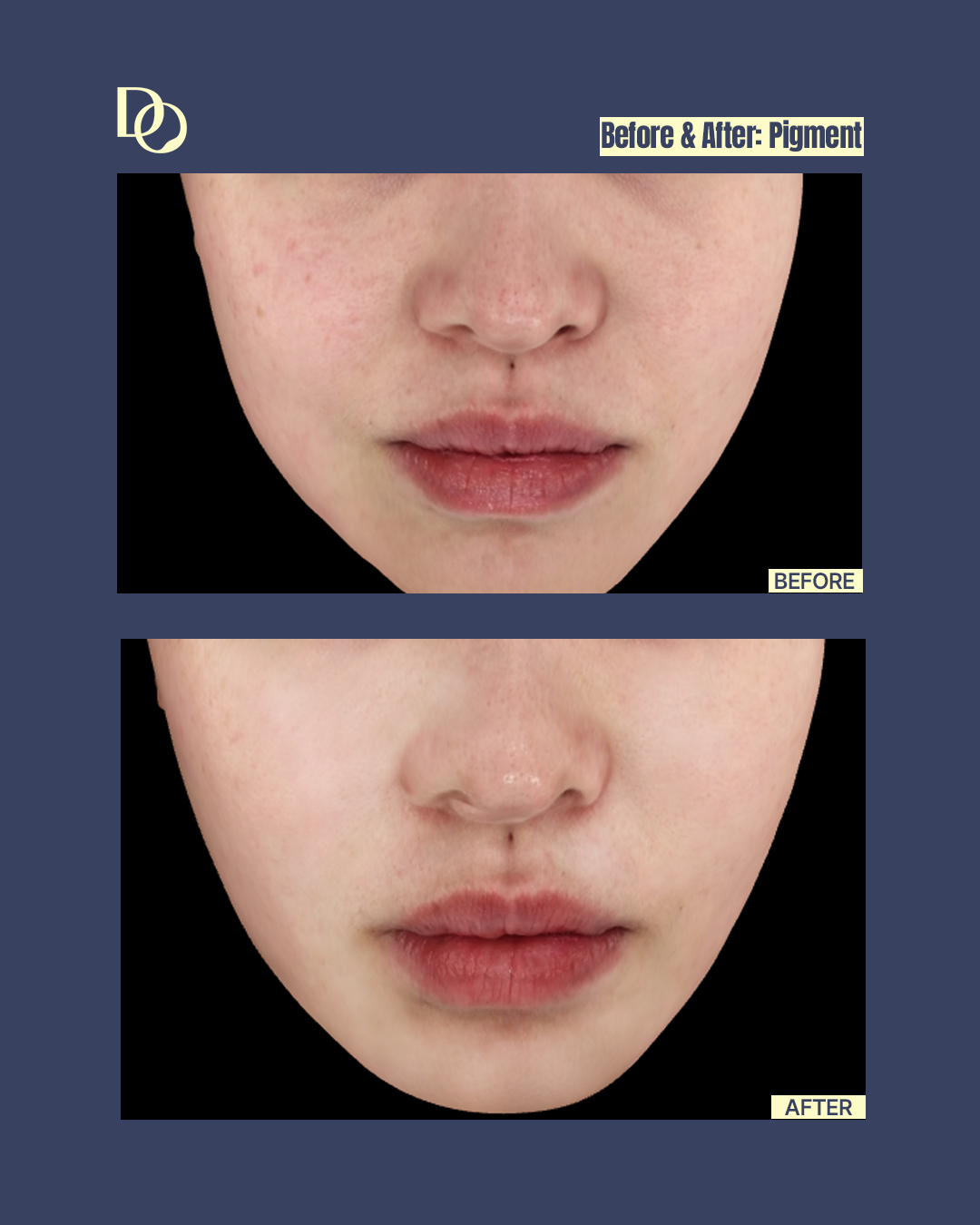
Melasma is a chronic pigmentation condition that can improve significantly with treatment but has a tendency to recur. Preventing melasma recurrence requires a combination of daily sun protection, medical-grade skincare, maintenance laser treatments, and personalized dermatology care. Korean dermatology clinics focus on long-term melasma management rather than simply removing existing pigmentation.
Melasma is one of the most challenging pigmentation conditions because it is influenced by multiple factors, including ultraviolet (UV) exposure, visible light, hormones, genetics, and heat. Even after successful treatment, melasma may return if these triggers are not properly managed.
The good news is that recurrence can often be minimized with consistent skincare, lifestyle modifications, and regular follow-up with an experienced dermatologist.
What Is Melasma?
Melasma appears as symmetrical brown or gray-brown patches that most commonly develop on:
- Cheeks
- Forehead
- Nose
- Upper lip
- Chin
Unlike freckles or sunspots, melasma usually affects larger areas of the face and often requires ongoing management rather than a one-time treatment.
Why Does Melasma Come Back?
Melasma is a chronic condition rather than a temporary skin problem.
Common triggers include:
- Sun exposure
- Visible light
- Heat
- Hormonal fluctuations
- Pregnancy
- Birth control pills
- Genetics
- Skin irritation
- Inappropriate laser settings
Even after pigment fades, melanocytes can remain highly reactive, making prevention essential.
How to Prevent Melasma Recurrence
1. Wear Sunscreen Every Day
Daily sun protection is the most important step in preventing melasma from returning.
Choose a broad-spectrum sunscreen with SPF 30 or higher and apply it every morning, even on cloudy days.
If you spend time outdoors, reapply sunscreen every two hours.
Many dermatologists also recommend sunscreen that protects against visible light, particularly for patients with persistent melasma.
Additional protection such as wide-brimmed hats, sunglasses, and seeking shade can further reduce UV exposure.
2. Avoid Excessive Heat
Heat can stimulate pigment production even without direct sunlight.
Try to limit prolonged exposure to:
- Saunas
- Steam rooms
- Hot yoga
- Very hot showers
- Intense midday heat
Keeping the skin cool may help reduce flare-ups.
3. Follow a Medical-Grade Skincare Routine
Professional skincare helps regulate melanin production and supports long-term pigment control.
Depending on your skin, your dermatologist may recommend:
- Tranexamic acid
- Azelaic acid
- Vitamin C
- Niacinamide
- Retinoids
- Ceramides
These ingredients work together to improve pigmentation while strengthening the skin barrier.
4. Continue Maintenance Treatments
Melasma often benefits from periodic maintenance rather than stopping treatment completely once the skin improves.
Maintenance options may include:
- Laser toning
- Gentle Pico laser treatments
- Chemical peels
- Prescription topical medications
Your dermatologist will recommend a schedule based on your skin's response and recurrence risk.
5. Avoid Irritating Your Skin
Skin inflammation can worsen pigmentation.
To protect your skin:
- Avoid aggressive exfoliation
- Use gentle cleansers
- Do not overuse active ingredients
- Avoid picking at acne or irritated skin
A healthy skin barrier helps reduce unnecessary inflammation.
6. Keep Your Skin Well Hydrated
Hydrated skin maintains a stronger barrier and tolerates treatment more effectively.
Use a moisturizer containing ingredients such as:
- Ceramides
- Hyaluronic acid
- Panthenol
Healthy skin is generally less prone to irritation that can contribute to pigmentation.
7. Manage Hormonal Triggers When Possible
Hormonal changes are a common cause of melasma.
If you notice pigmentation worsening during pregnancy or after starting hormonal medications, discuss your concerns with your healthcare provider.
Never stop prescribed medications without medical advice, but your doctor may be able to suggest appropriate alternatives in certain situations.
Can Laser Treatments Help Prevent Recurrence?
Laser treatments cannot permanently cure melasma, but they can help maintain clearer skin when used appropriately.
Korean dermatologists commonly use:
Laser Toning
Low-energy laser toning gradually reduces pigmentation while minimizing unnecessary skin irritation.
Gentle Pico Laser Protocols
Carefully selected Pico laser settings may improve pigmentation while reducing heat-related stimulation of melanocytes.
Treatment must be individualized to avoid excessive inflammation.
Can Skin Boosters Help?
Skin boosters do not directly remove melasma, but they improve overall skin health and recovery.
Popular options include:
- Rejuran
- PN skin boosters
- Hyaron
- Exosome skin boosters
Benefits include:
- Improved hydration
- Stronger skin barrier
- Reduced inflammation
- Better healing after laser treatments
Healthier skin often responds more predictably to long-term pigmentation management.
Lifestyle Habits That Help Control Melasma
Daily habits make a significant difference in preventing recurrence.
Recommendations include:
- Wear sunscreen every day
- Reapply sunscreen outdoors
- Wear hats and sunglasses
- Avoid prolonged sun exposure
- Maintain a gentle skincare routine
- Stay hydrated
- Follow your dermatologist's maintenance plan
Consistency is more important than occasional intensive treatment.
Who Needs Long-Term Melasma Management?
Long-term care is particularly important for patients who:
- Have recurrent melasma
- Experience hormonal pigmentation
- Spend significant time outdoors
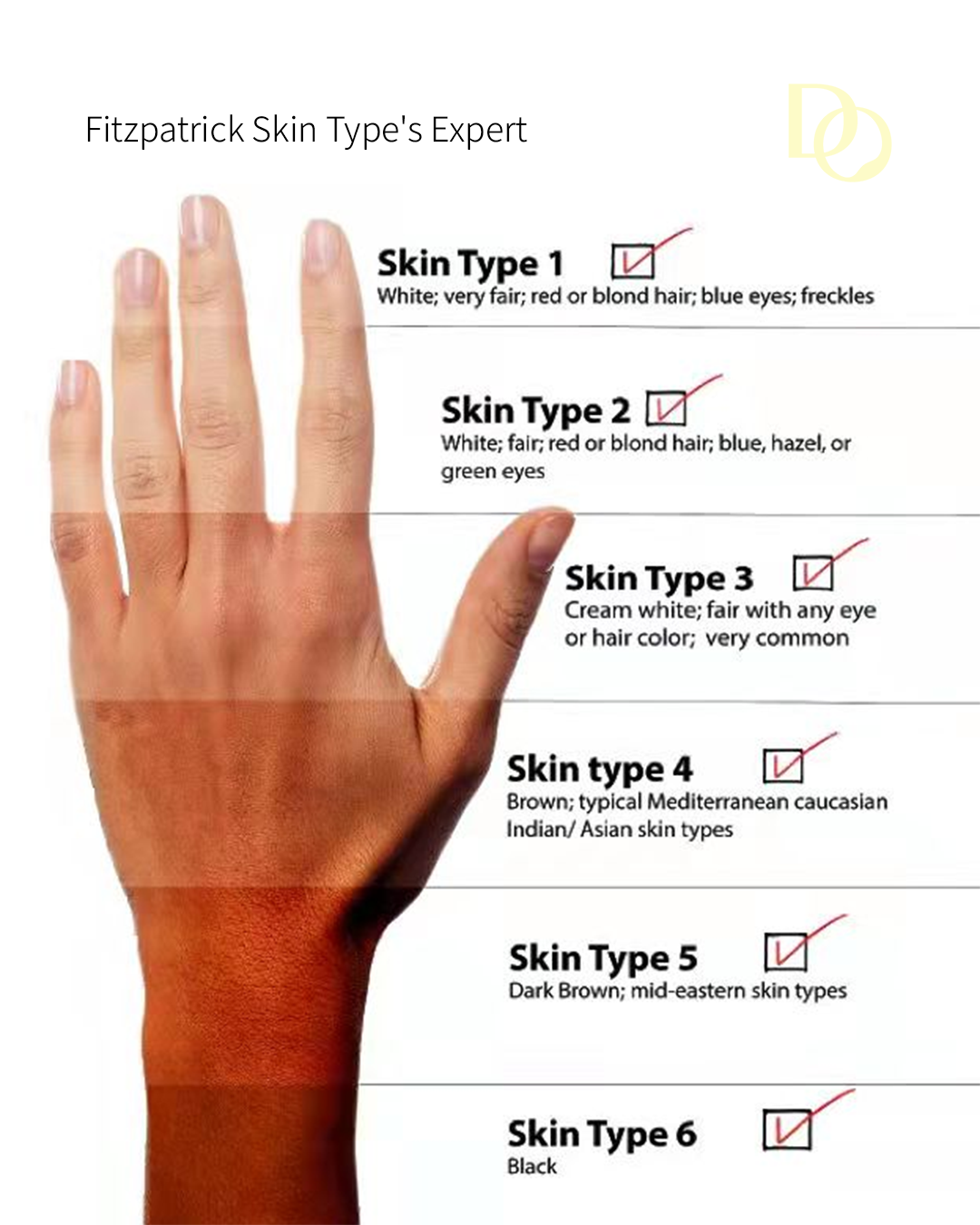
- Have darker skin types
- Have a family history of melasma
These patients often achieve the best results with ongoing dermatology follow-up rather than one-time treatment.
Why Choose Korea for Melasma Treatment?
Korea is internationally recognized for advanced pigmentation management and personalized dermatology care.
International patients choose Korean skin clinics because they offer:
- Experienced board-certified dermatologists
- Advanced laser technologies
- Customized treatment plans
- Comprehensive skin analysis
- Combination therapies
- English-friendly services for international patients
Rather than focusing only on pigment removal, Korean dermatologists develop long-term management strategies that reduce recurrence while maintaining healthy skin.
Final Thoughts
Melasma is a chronic condition that requires ongoing care, but recurrence can often be minimized with the right strategy. Daily sunscreen, gentle skincare, maintenance treatments, and regular dermatology follow-up all play essential roles in keeping pigmentation under control.
By combining laser toning, carefully selected Pico laser treatments, medical-grade skincare, skin boosters, and consistent sun protection, Korean dermatologists help patients achieve brighter, more even skin while reducing the likelihood of future flare-ups.