Hyperpigmentation Treatment Options
Hyperpigmentation Treatment Options: Best Ways to Achieve Clear, Even-Toned Skin

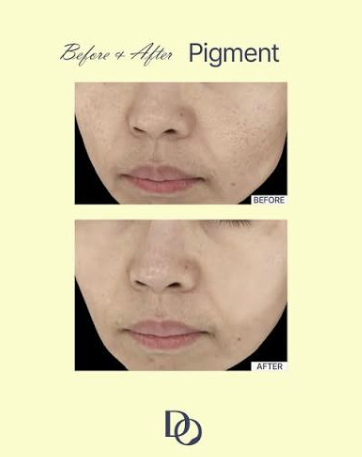
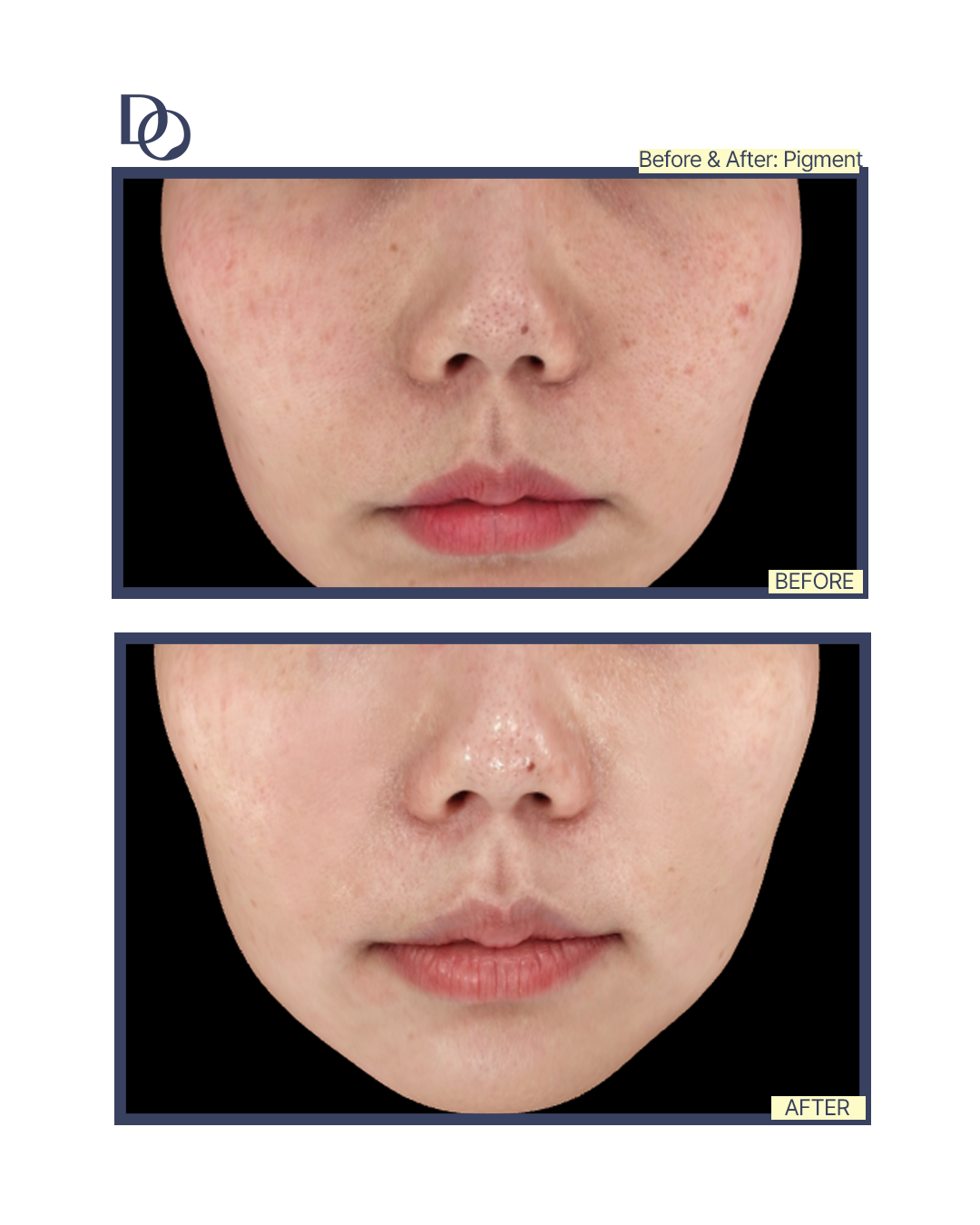
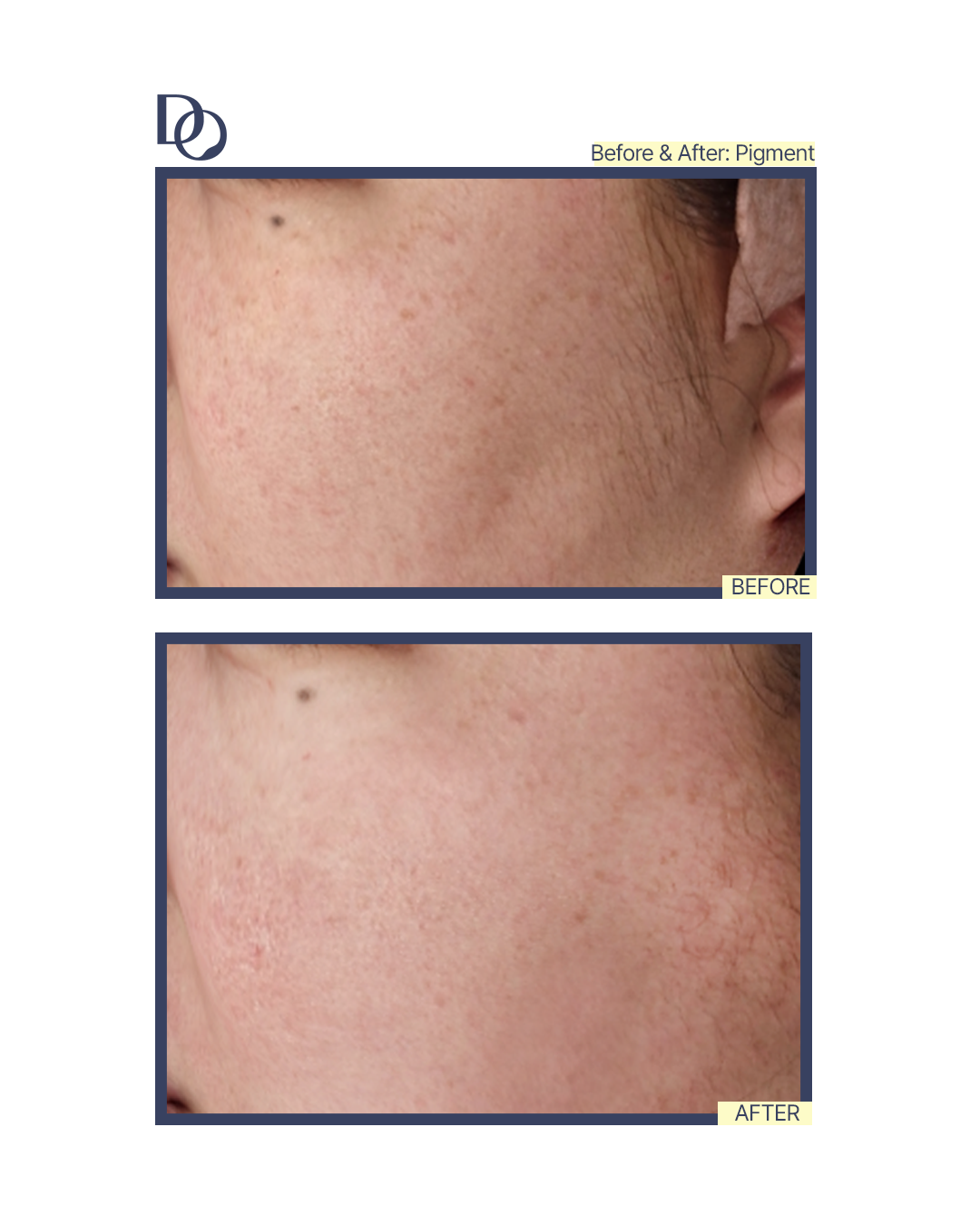
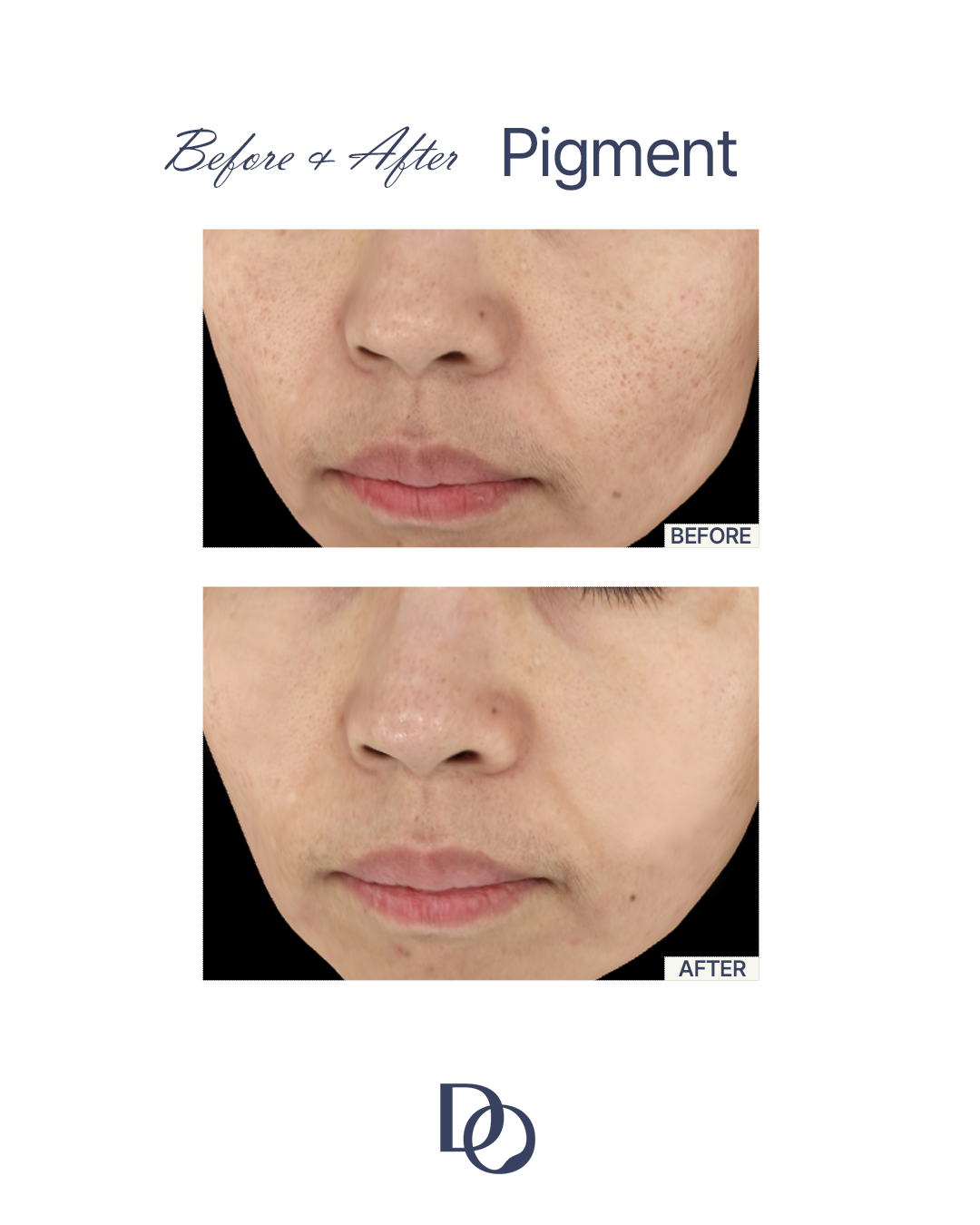
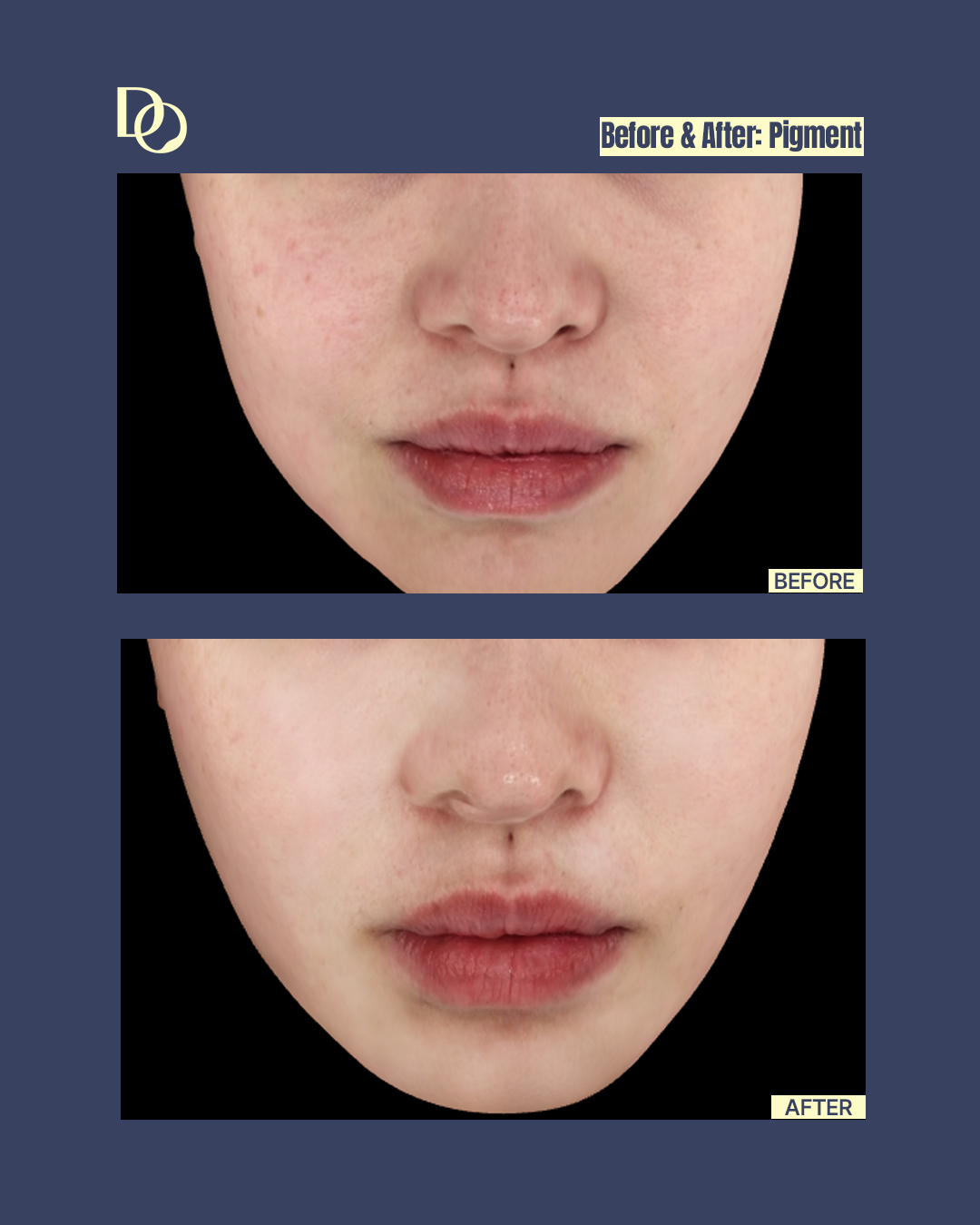
Hyperpigmentation is a common skin condition caused by excess melanin production, leading to dark patches or uneven skin tone. Korean dermatology clinics treat hyperpigmentation with personalized combination therapies, including Pico laser, laser toning, IPL, chemical peels, prescription skincare, and skin boosters to safely brighten the skin while minimizing the risk of recurrence.
Hyperpigmentation affects people of all skin types and can develop after acne, sun exposure, inflammation, hormonal changes, or aging. Although it is usually harmless, uneven pigmentation can make the skin appear dull, tired, and older than it is.
The good news is that modern dermatology offers highly effective treatments for pigmentation. Korean dermatologists begin by identifying the exact type of pigmentation before selecting the most appropriate treatment plan, ensuring safer and more predictable results.
What Is Hyperpigmentation?
Hyperpigmentation occurs when certain areas of the skin produce excess melanin, the pigment responsible for skin color.
It may appear as:
- Brown spots
- Gray patches
- Dark acne marks
- Uneven skin tone
- Sunspots
- Freckles
- Age spots
The depth and cause of pigmentation determine which treatments are most effective.
What Causes Hyperpigmentation?
Common causes include:
- Sun exposure
- Acne
- Skin inflammation
- Hormonal changes
- Aging
- Genetics
- Pregnancy
- Certain medications
- Heat exposure
Some people develop more than one type of pigmentation at the same time, requiring a combination of treatments.
Common Types of Hyperpigmentation
Post-Inflammatory Hyperpigmentation (PIH)
PIH develops after acne, eczema, burns, or skin irritation.
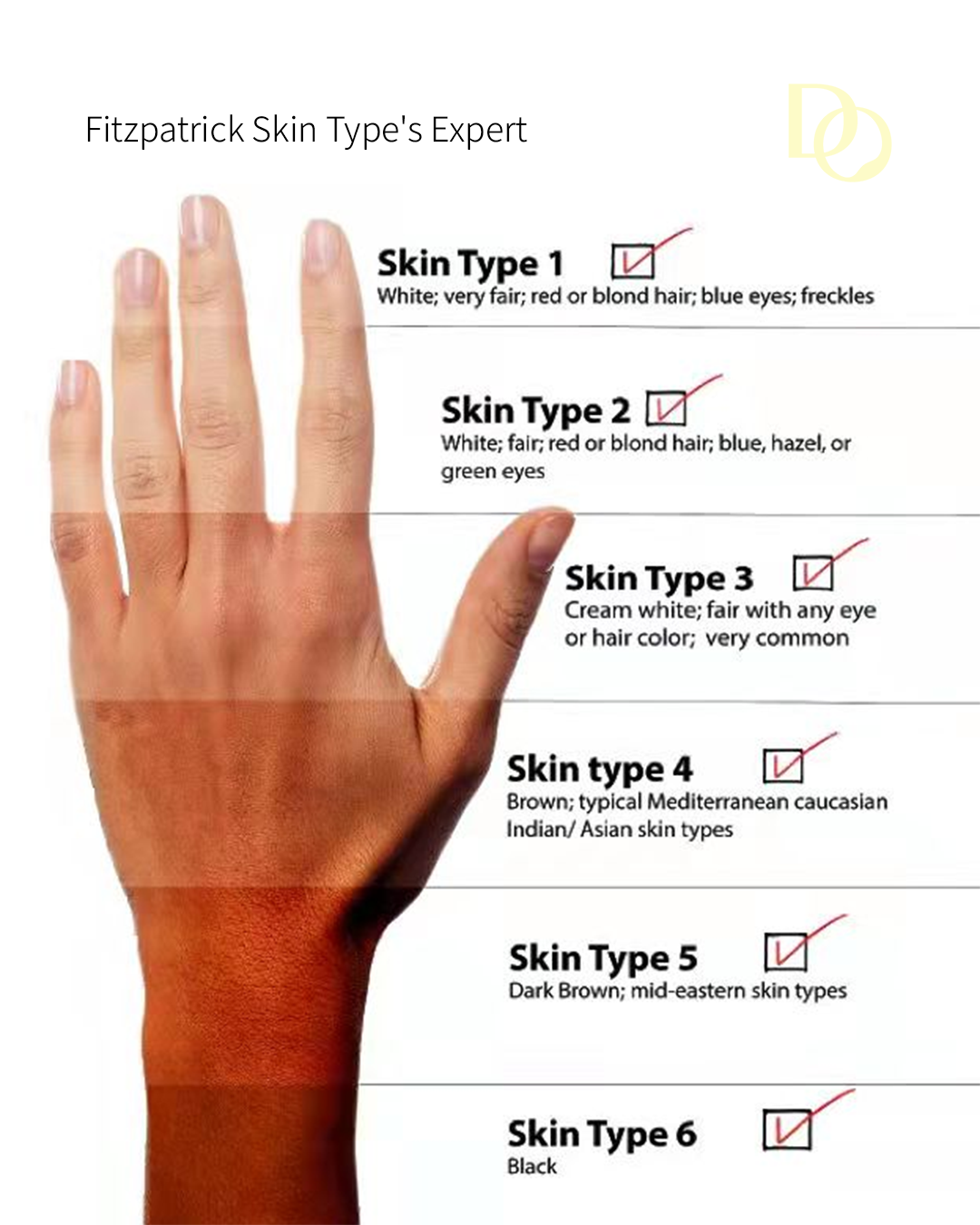
It is particularly common in Asian and darker skin tones.
Melasma
Melasma appears as symmetrical brown or gray patches, usually on the cheeks, forehead, upper lip, and nose.
It is often influenced by hormones and sun exposure and typically requires long-term management.
Sunspots
Also known as solar lentigines, sunspots result from years of ultraviolet exposure.
They commonly appear on:
- Face
- Hands
- Chest
- Shoulders
Freckles
Freckles are small pigmented spots that often become darker after sun exposure.
Unlike melasma, freckles usually respond well to targeted laser treatment.
Best Hyperpigmentation Treatments
1. Pico Laser
Pico laser is one of the most advanced pigmentation treatments available.
Its ultra-short pulses break pigment into microscopic particles while minimizing unnecessary heat.
Benefits include:
- Brighter skin tone
- Reduced pigmentation
- Minimal downtime
- Improved skin clarity
- Suitable for repeated treatments
Pico laser is effective for many types of pigmentation, including freckles, sunspots, acne marks, and selected cases of melasma.
2. Laser Toning
Laser toning gradually lightens pigmentation using low-energy laser settings.
It is commonly recommended for:
- Melasma
- Diffuse pigmentation
- Uneven skin tone
- Dull complexion
Because treatment is gentle, multiple sessions are usually required.
3. IPL (Intense Pulsed Light)
IPL treats superficial pigmentation while also improving redness and overall skin tone.
It may be appropriate for:
- Sunspots
- Freckles
- Mild pigmentation
- Photoaging
Patients often notice brighter, more even-toned skin after several sessions.
4. Chemical Peels
Medical-grade chemical peels remove damaged surface cells while encouraging healthy skin renewal.
Benefits include:
- Brighter complexion
- Reduced post-acne marks
- Improved skin texture
- Better skincare absorption
- More even skin tone
The strength and type of peel are selected according to your skin type.
5. Prescription Skincare
Medical skincare is essential for long-term pigmentation control.
Depending on your condition, your dermatologist may recommend:
- Hydroquinone
- Azelaic acid
- Retinoids
- Tranexamic acid
- Vitamin C
- Niacinamide
These ingredients help regulate melanin production while supporting healthy skin renewal.
6. Skin Boosters
Although skin boosters do not directly remove pigment, they improve the skin's overall health and recovery.
Popular options include:
- Rejuran
- PN skin boosters
- Hyaron
- Exosome skin boosters
Benefits include:
- Better hydration
- Improved skin barrier
- Enhanced skin quality
- Reduced irritation after laser treatments
- Healthier complexion
They are commonly used alongside pigmentation treatments for optimal results.
Combination Therapy Produces Better Results
Hyperpigmentation often develops from multiple causes.
Korean dermatologists frequently combine:
- Pico laser
- Laser toning
- IPL
- Chemical peels
- Prescription skincare
- Skin boosters
This comprehensive approach treats both existing pigment and the underlying factors that contribute to recurrence.
How Many Treatments Are Needed?
The number of sessions depends on the type of pigmentation.
Typical recommendations include:
- Freckles: 1–3 sessions
- Sunspots: 1–3 sessions
- Post-acne pigmentation: 3–5 sessions
- Melasma: 5–10 sessions or ongoing maintenance
Your dermatologist will tailor the treatment plan based on your skin's response.
When Will You See Results?
The timeline varies depending on pigment depth.
Many patients notice:
- 1–3 weeks: Initial fading of superficial pigmentation
- 1–3 months: More even skin tone
- Several months: Continued improvement with combination therapy
Melasma generally requires longer treatment than freckles or sunspots.
Can Hyperpigmentation Return?
Yes.
Pigmentation may recur because of:
- Sun exposure
- Hormonal changes
- New acne
- Skin irritation
- Heat exposure
Daily sunscreen and consistent skincare are essential for maintaining results.
Daily Habits That Help Prevent Pigmentation
Your daily routine plays a major role in preventing recurrence.
Recommendations include:
- Wear broad-spectrum sunscreen every day
- Reapply sunscreen during prolonged outdoor activities
- Avoid picking at acne or skin injuries
- Use gentle skincare products
- Follow your dermatologist's treatment plan
- Limit excessive sun and heat exposure
Who Is a Good Candidate?
Professional pigmentation treatment may be appropriate if you have:
- Freckles
- Sunspots
- Acne marks
- Melasma
- Age spots
- Uneven skin tone
- Persistent pigmentation that has not improved with skincare
A consultation allows your dermatologist to identify the exact type of pigmentation and develop a personalized treatment plan.
Why Choose Korea for Hyperpigmentation Treatment?
Korea is internationally recognized for advanced pigmentation management and laser technology.
International patients choose Korean dermatology clinics because they offer:
- Experienced board-certified dermatologists
- Advanced Pico laser systems
- Customized laser settings
- Personalized treatment plans
- Comprehensive skin analysis
- English-friendly services for international patients
Rather than treating every dark spot the same way, Korean dermatologists customize treatments according to pigment type, skin tone, and long-term skin health.
Final Thoughts
Hyperpigmentation can be effectively treated when the underlying cause is correctly identified. Whether your concerns involve acne marks, freckles, melasma, or sunspots, the most successful treatment plans combine Pico laser, laser toning, IPL, chemical peels, prescription skincare, and skin boosters to brighten the skin safely and reduce the risk of recurrence.
With a personalized treatment plan, consistent skincare, and diligent sun protection, clearer, smoother, and more even-toned skin is an achievable goal.