IPL vs Pico Laser
IPL vs Pico Laser: Which Skin Treatment Is Better?

IPL and Pico laser are both popular treatments for pigmentation and skin rejuvenation, but they use different technologies and are best suited for different skin concerns. IPL is effective for sun damage, redness, and superficial pigmentation, while Pico laser offers greater precision for melasma, acne marks, tattoos, and overall skin rejuvenation with less heat and lower risk of pigmentation in Asian skin.
If you're considering laser treatment in Seoul, you may wonder whether IPL or Pico laser is the better option. Although both can improve skin tone and pigmentation, they are not interchangeable. Understanding how each treatment works will help you choose the one that best fits your skin type and goals.
What Is IPL?
IPL (Intense Pulsed Light) is not technically a laser.
Instead of emitting a single wavelength of light, IPL delivers multiple wavelengths that target pigment and blood vessels at different depths.
IPL is commonly used for:
- Sun spots
- Freckles
- Age spots
- Facial redness
- Rosacea
- Broken capillaries
- Overall skin brightening
Because IPL treats large areas quickly, it is often called a "photofacial."
What Is Pico Laser?
Pico laser uses ultra-short pulses measured in picoseconds (one trillionth of a second).
Rather than relying primarily on heat, Pico laser creates a photoacoustic effect that breaks pigment into tiny particles while minimizing damage to surrounding tissue.
Pico laser is commonly used for:
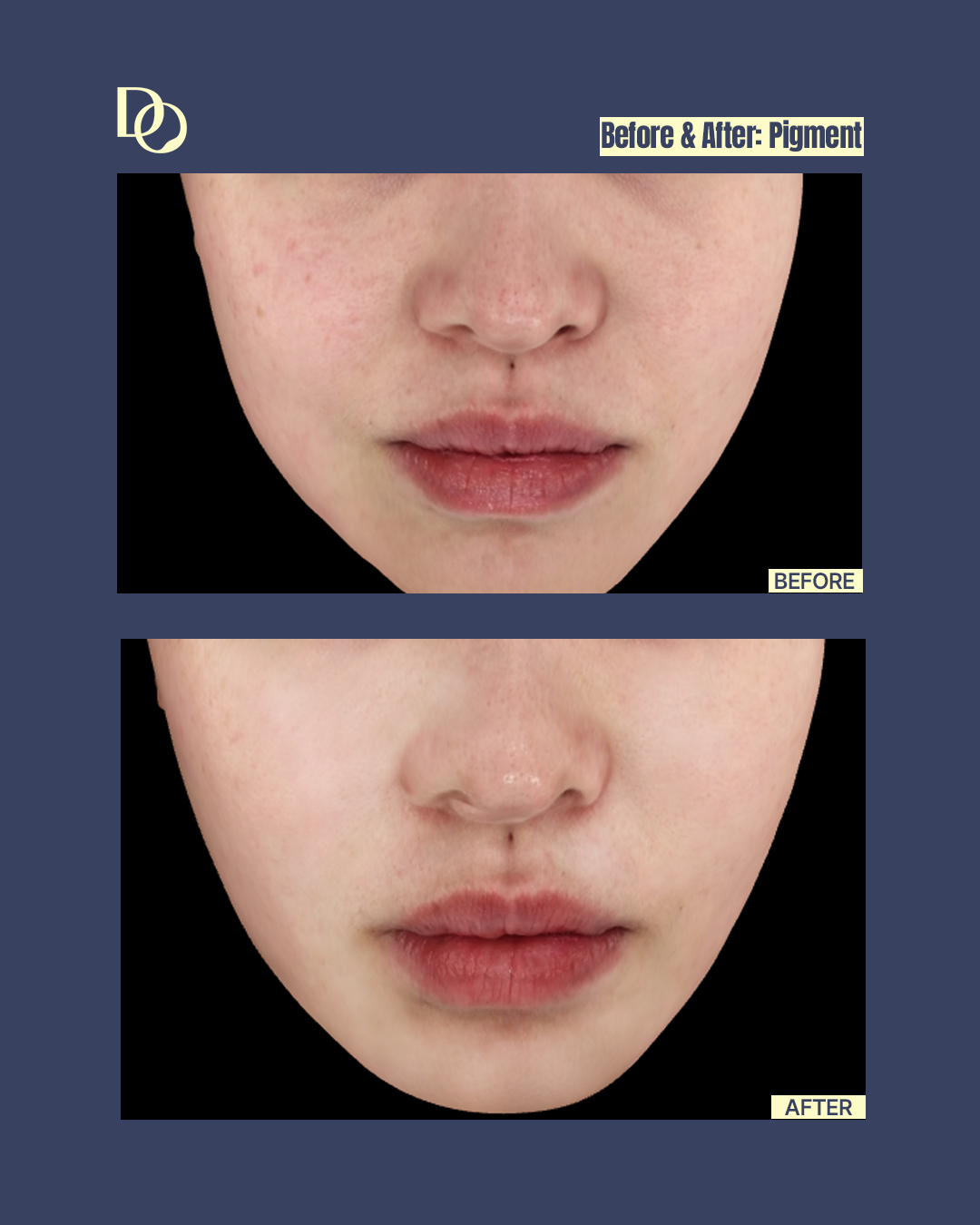
- Melasma
- Acne pigmentation
- Freckles
- Sun spots
- Tattoo removal
- Skin rejuvenation
- Mild acne scars
- Overall skin brightening
Many modern Pico systems also include fractional modes that stimulate collagen for smoother skin texture.
IPL vs Pico Laser: How Do They Work?
The biggest difference lies in how they treat pigment.
IPL
- Uses broad-spectrum light
- Primarily relies on heat
- Treats larger treatment areas
- Targets pigment and blood vessels simultaneously
Pico Laser
- Uses a single laser wavelength
- Delivers ultra-short pulses
- Breaks pigment mechanically with less heat
- Stimulates collagen while treating pigmentation
Because Pico laser generates less thermal damage, it is often preferred for darker skin tones and patients prone to post-inflammatory hyperpigmentation.
Which Is Better for Pigmentation?
IPL Works Well For
- Sun damage
- Freckles
- Age spots
- Mild pigmentation
- Overall skin tone improvement
IPL is an excellent option for patients with lighter skin and widespread sun damage.
Pico Laser Works Better For
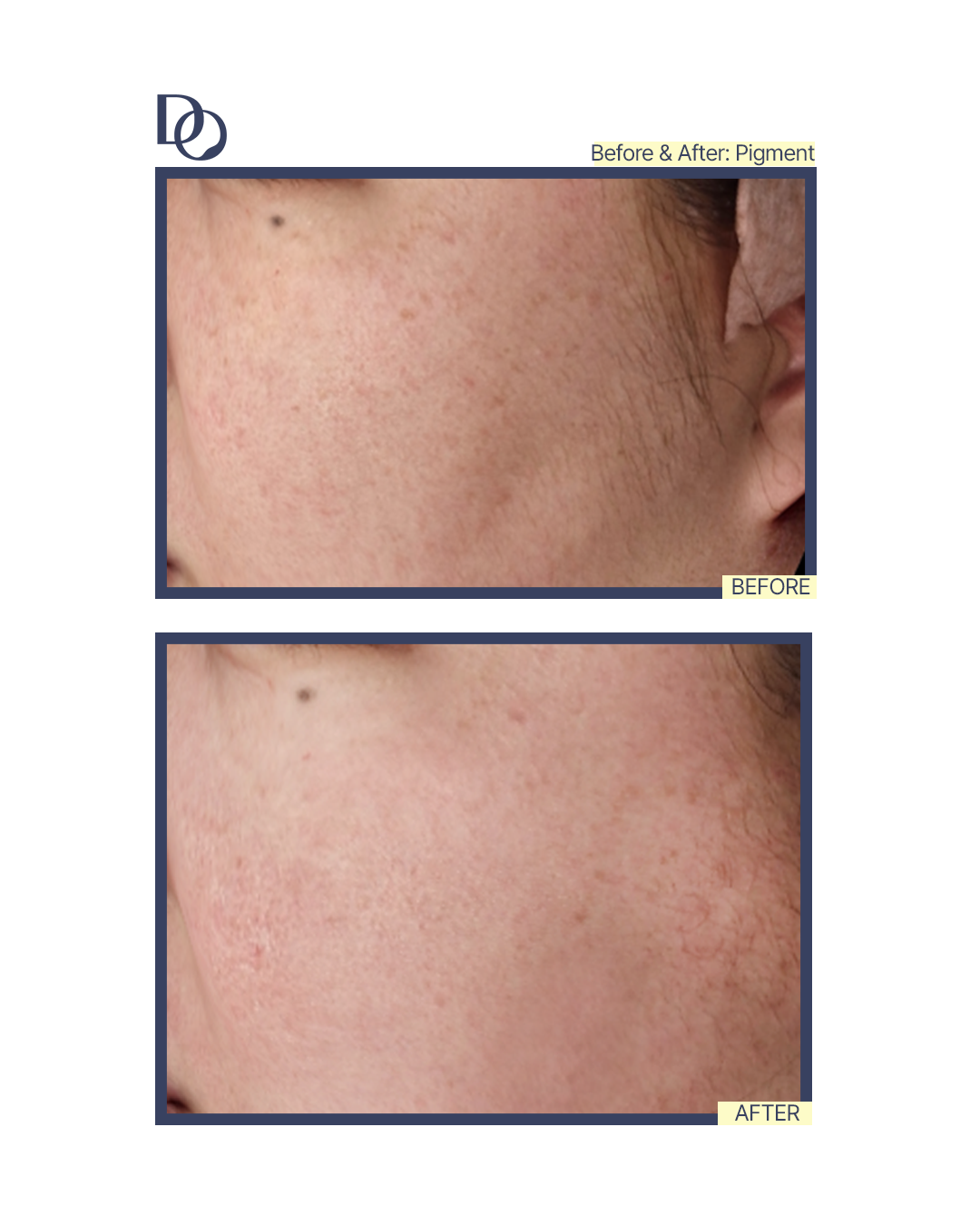
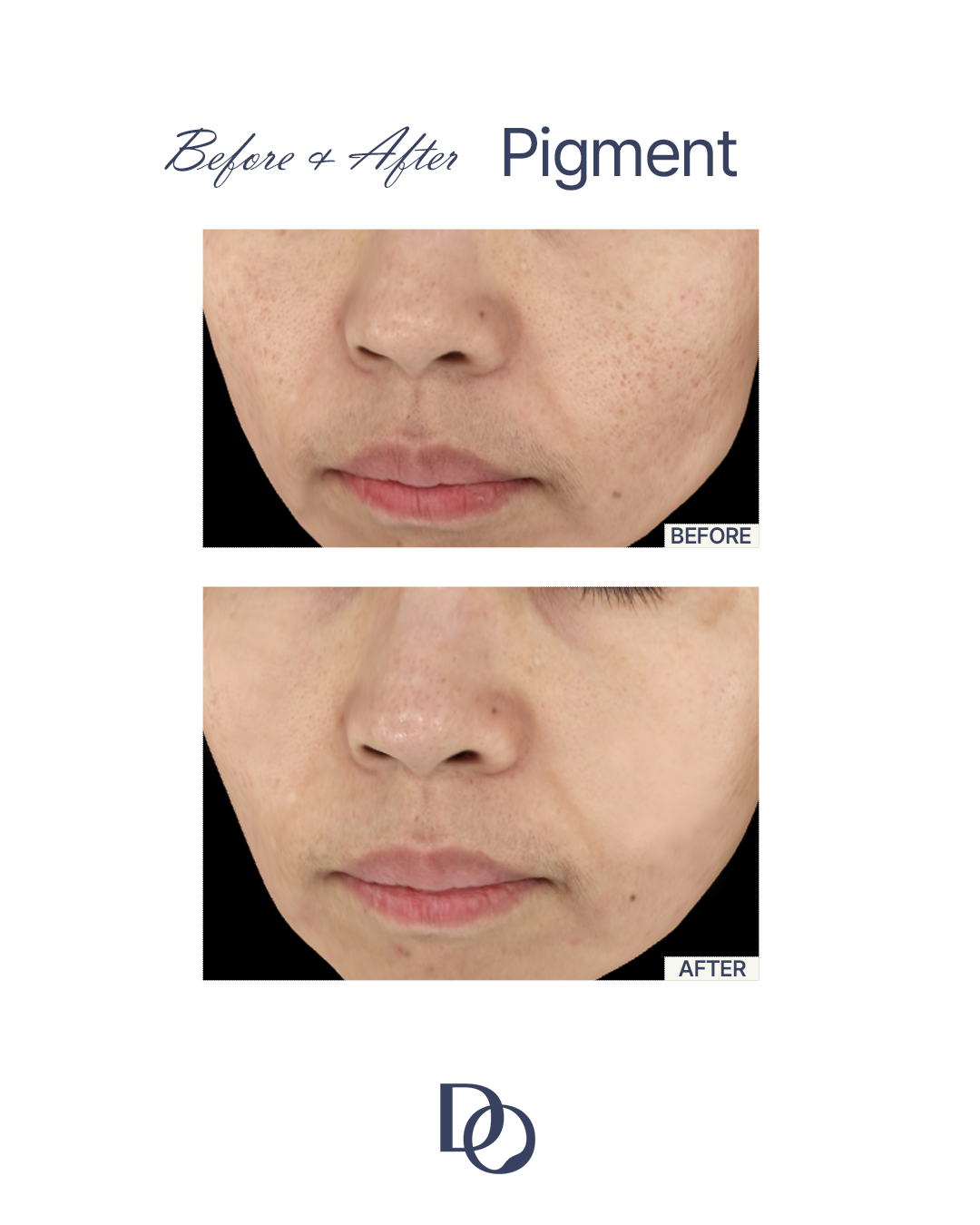
- Melasma
- Post-inflammatory hyperpigmentation
- Acne marks
- Stubborn pigmentation
- Mixed pigmentation disorders
Pico laser offers greater precision and is generally safer for treating pigmentation in Asian skin.
Which Is Better for Melasma?
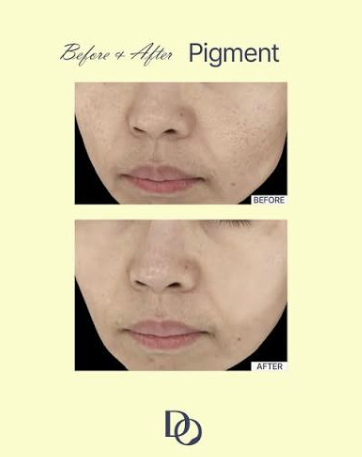
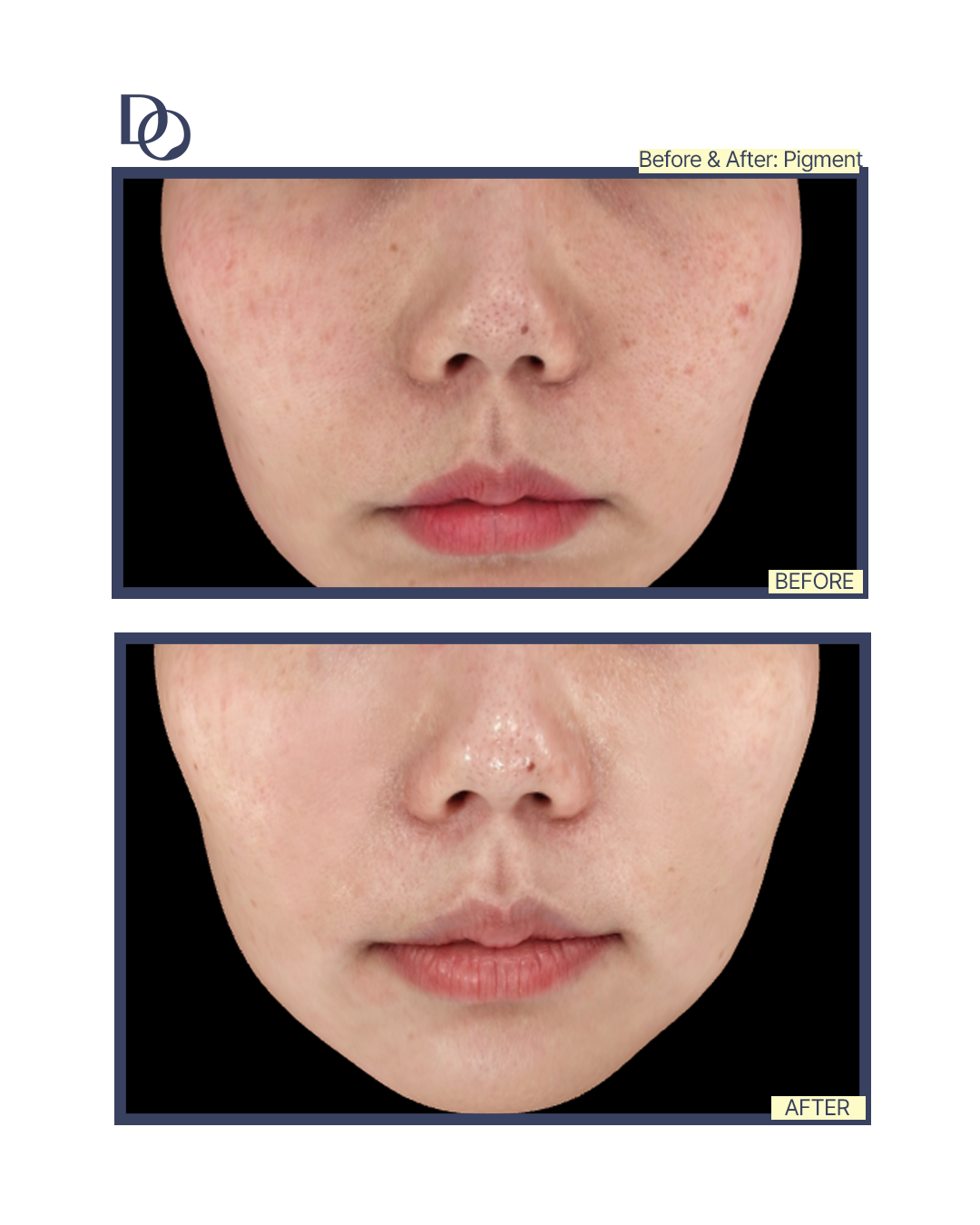
Pico laser is usually the preferred treatment for melasma.
Melasma is difficult to treat because excessive heat can sometimes worsen the condition.
Since Pico laser produces less thermal injury than IPL, it reduces the risk of rebound pigmentation while gradually breaking down excess melanin.
Many Korean dermatologists also combine Pico laser with laser toning, topical medications, and strict sun protection for the best long-term results.
Which Is Better for Acne Marks?
Pico laser is generally more effective.
It can improve:
- Post-acne pigmentation
- Red and brown acne marks
- Mild acne scars
- Skin texture
- Overall skin clarity
Patients often notice brighter skin after only a few sessions.
Which Is Better for Redness and Rosacea?
IPL is often the better choice for vascular concerns.
It effectively targets:
- Facial redness
- Rosacea
- Broken capillaries
- Flushing
- Visible blood vessels
By reducing unwanted blood vessels, IPL creates a more even complexion.
Which Treatment Is Better for Skin Rejuvenation?
Both treatments can rejuvenate the skin, but in different ways.
IPL Benefits
- Brighter complexion
- Reduced redness
- Improved sun damage
- More even skin tone
Pico Laser Benefits
- Brighter skin
- Improved pigmentation
- Mild pore reduction
- Enhanced collagen production
- Better skin texture
For patients seeking comprehensive skin rejuvenation, Pico laser often provides more versatile results.
Which Treatment Has Less Downtime?
Both treatments require minimal downtime.
IPL
Patients may experience:
- Mild redness
- Temporary warmth
- Slight darkening of pigmented spots before they fade
Recovery usually takes 1–3 days.
Pico Laser
Most patients experience:
- Mild redness
- Slight swelling
- Temporary dryness
Many people return to normal activities the same day or the following day.
Which Is Safer for Asian Skin?
Pico laser is generally considered the safer option for Asian skin.
Because Asian skin contains more melanin, excessive heat from certain treatments can increase the risk of post-inflammatory hyperpigmentation.
Pico laser's lower thermal effect makes it particularly suitable for:
- Korean skin
- Japanese skin
- Chinese skin
- Southeast Asian skin
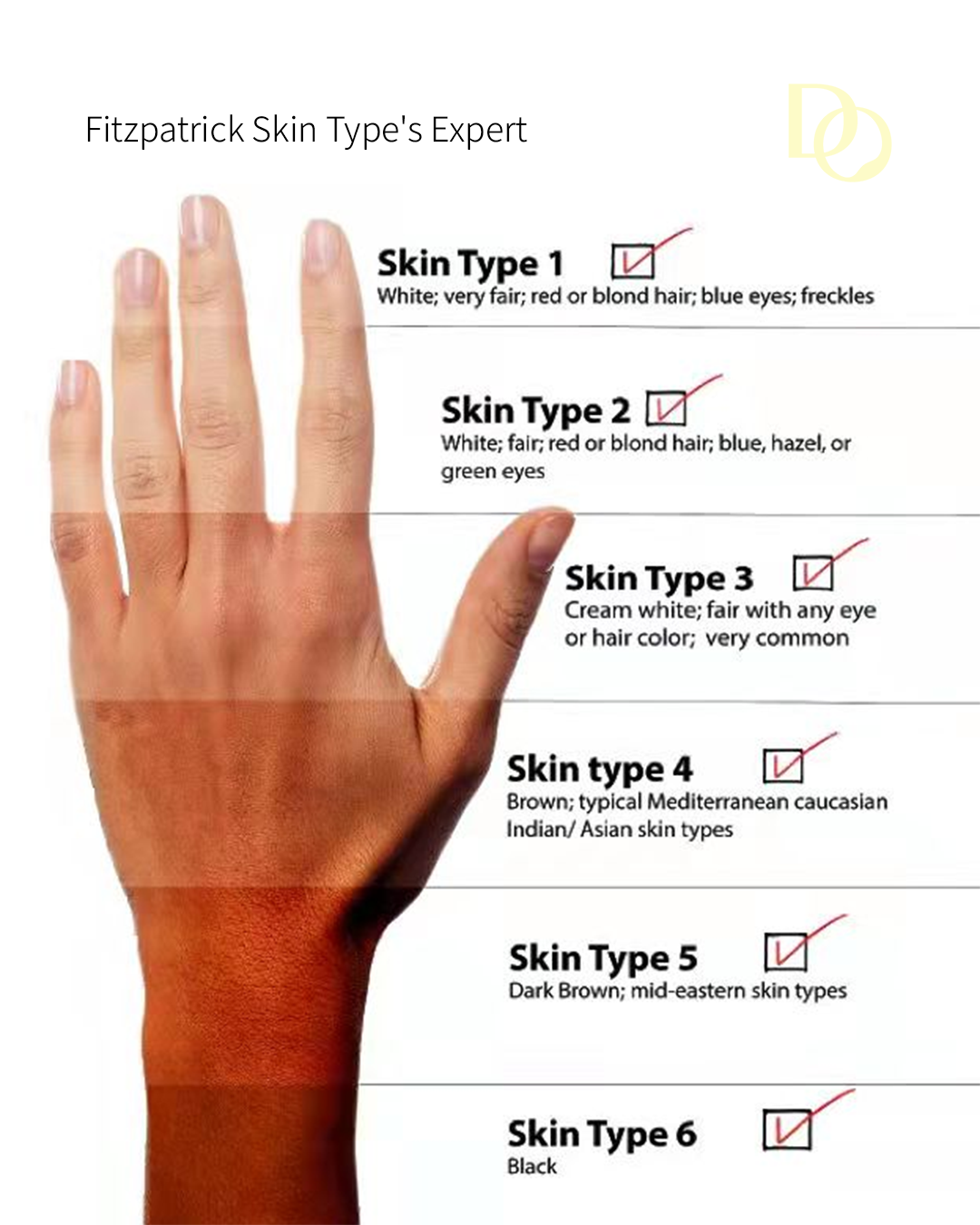
- Fitzpatrick skin types III–V
Experienced dermatologists will still customize the settings based on your individual skin type.
Can IPL and Pico Laser Be Combined?
Yes.
Many Korean dermatology clinics combine both treatments when appropriate.
A personalized treatment plan may include:
- IPL for redness and visible blood vessels
- Pico laser for pigmentation
- Fractional laser for acne scars
- RF microneedling for collagen remodeling
- Skin boosters for hydration and skin repair
This combination approach allows multiple skin concerns to be treated simultaneously.
How Many Sessions Are Needed?
Most patients require several treatments for optimal results.
Typical treatment plans include:
IPL
- 3–5 sessions
- Every 3–4 weeks
Pico Laser
- 3–10 sessions depending on pigmentation
- Every 3–6 weeks
Melasma often requires maintenance treatments to help prevent recurrence.
Why Choose Seoul for IPL and Pico Laser Treatments?
Seoul is one of the world's leading destinations for advanced laser dermatology.
International patients choose Korean skin clinics because they offer:
- Advanced IPL and Pico laser technology
- Experienced board-certified dermatologists
- Personalized treatment plans
- Comprehensive skin analysis
- Combination laser therapies
- English-friendly services for international patients
Rather than recommending the same treatment for everyone, Korean dermatologists select the most appropriate technology based on your skin type, pigmentation, and long-term goals.
Final Thoughts
When comparing IPL vs Pico Laser, neither treatment is universally better—they simply target different concerns.
If your primary concern is redness, rosacea, sun damage, or superficial pigmentation, IPL is often an excellent choice.
If you're treating melasma, acne pigmentation, stubborn dark spots, tattoo removal, or overall skin rejuvenation, Pico laser is generally the more advanced and versatile option.
For many patients, the best results come from a personalized treatment plan that combines multiple technologies to address pigmentation, redness, texture, and collagen production at the same time.