Is Korean Dermatology Safe?
Is Korean Dermatology Safe? What International Patients Should Know

Korean dermatology is widely recognized for its advanced technology, experienced board-certified dermatologists, and personalized treatment approaches. When you choose a reputable clinic, receive a proper consultation, and follow recommended aftercare instructions, cosmetic dermatology treatments in Korea are generally considered safe for both local and international patients.
South Korea has become one of the world's leading destinations for cosmetic dermatology. Every year, thousands of international patients travel to Seoul for laser treatments, acne care, pigmentation correction, anti-aging procedures, skin rejuvenation, and aesthetic injectables.
As with any medical treatment, safety depends not only on the technology being used but also on the experience of the dermatologist, the accuracy of the diagnosis, and selecting the right treatment for your individual skin type.
Why Is Korean Dermatology So Popular?
Korean dermatology is known for combining medical expertise with advanced technology and personalized treatment planning.
Many patients choose Korea because of:
- Experienced board-certified dermatologists
- Modern laser platforms
- Comprehensive skin analysis
- Personalized treatment plans
- Wide variety of treatment options
- Focus on natural-looking results
- Ongoing innovation in aesthetic medicine
Rather than recommending a single procedure for everyone, dermatologists typically develop customized treatment plans based on each patient's skin condition and goals.
Are Dermatology Treatments Safe?
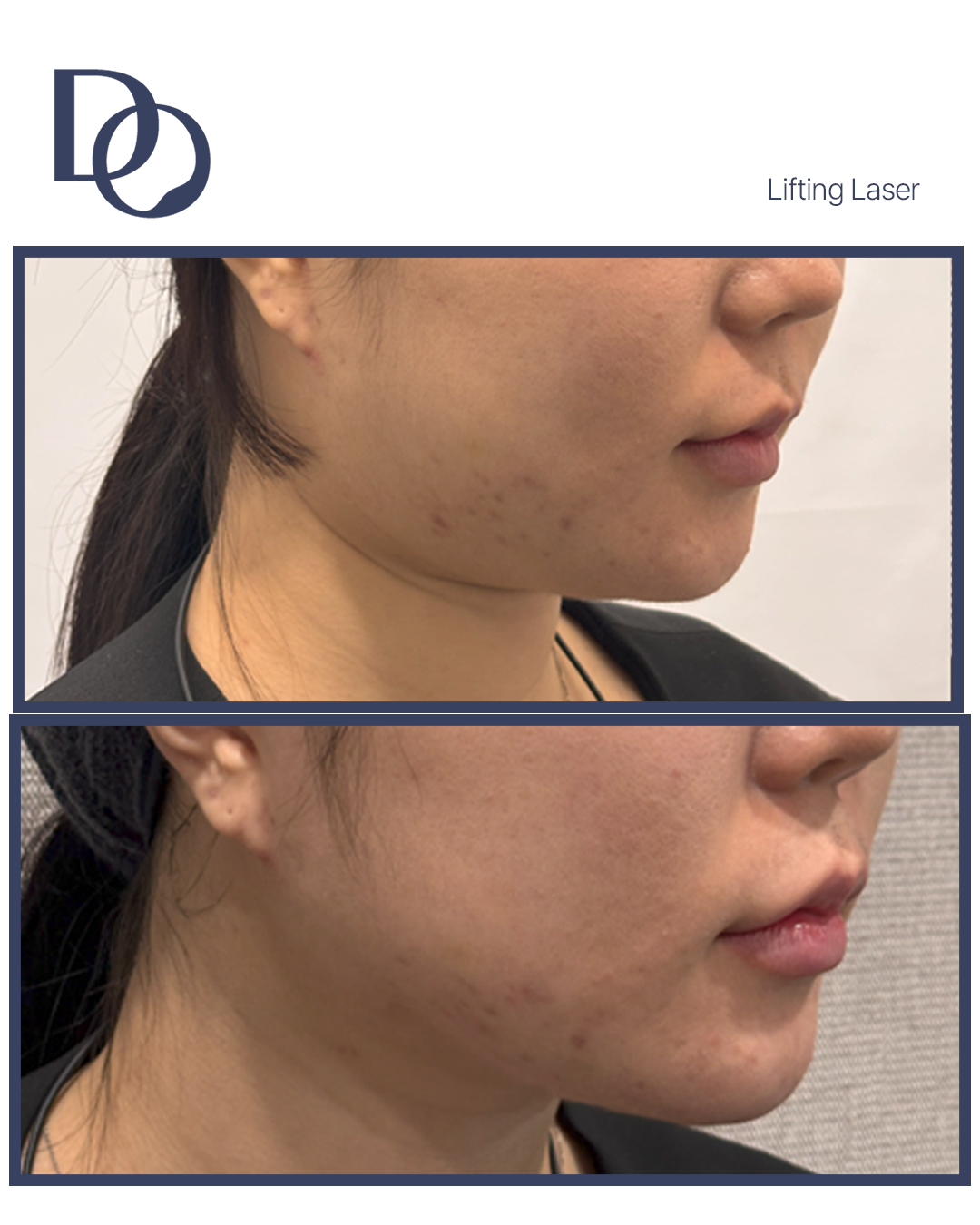
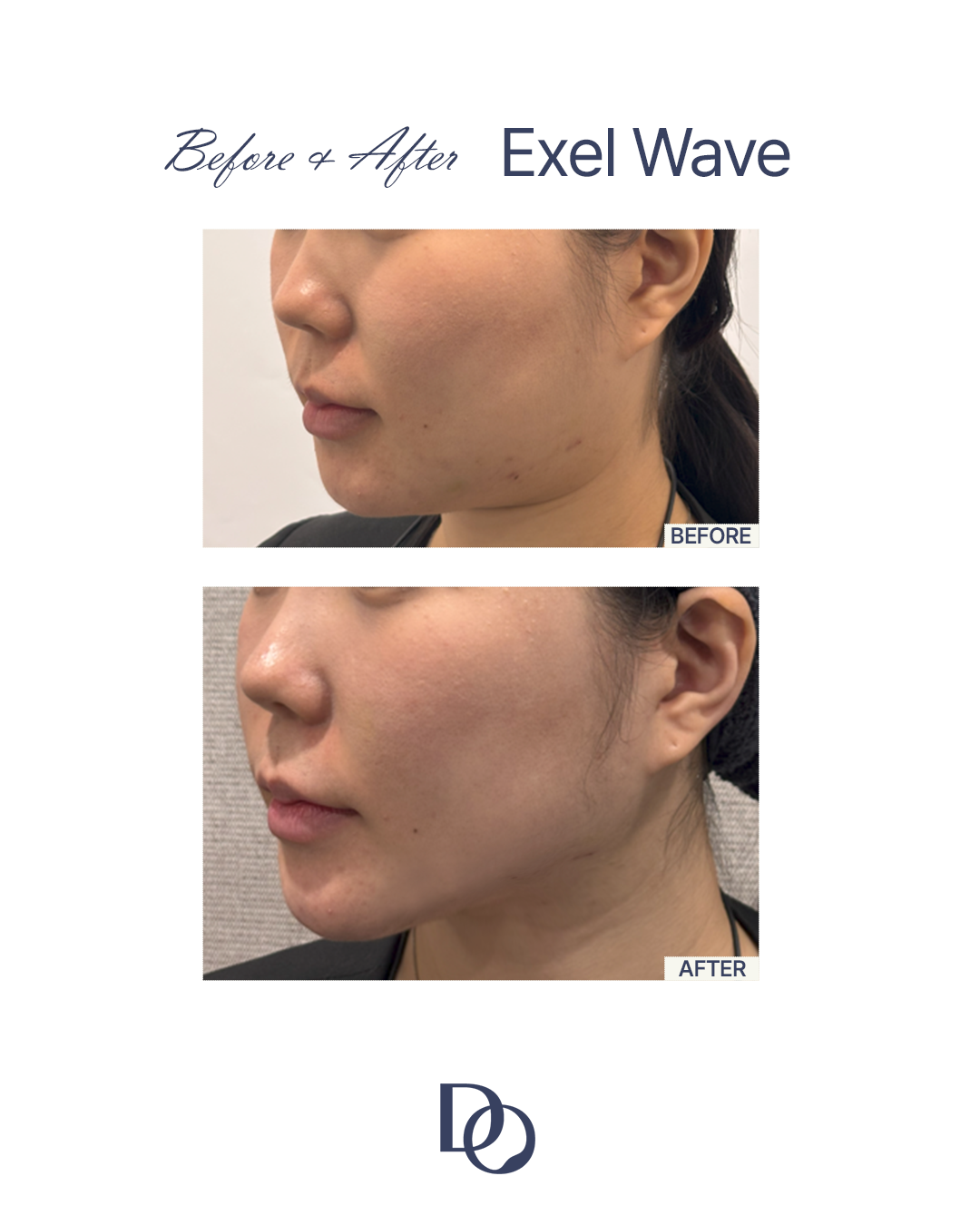
Most cosmetic dermatology procedures are minimally invasive and have excellent safety profiles when performed by qualified professionals.
Common treatments include:
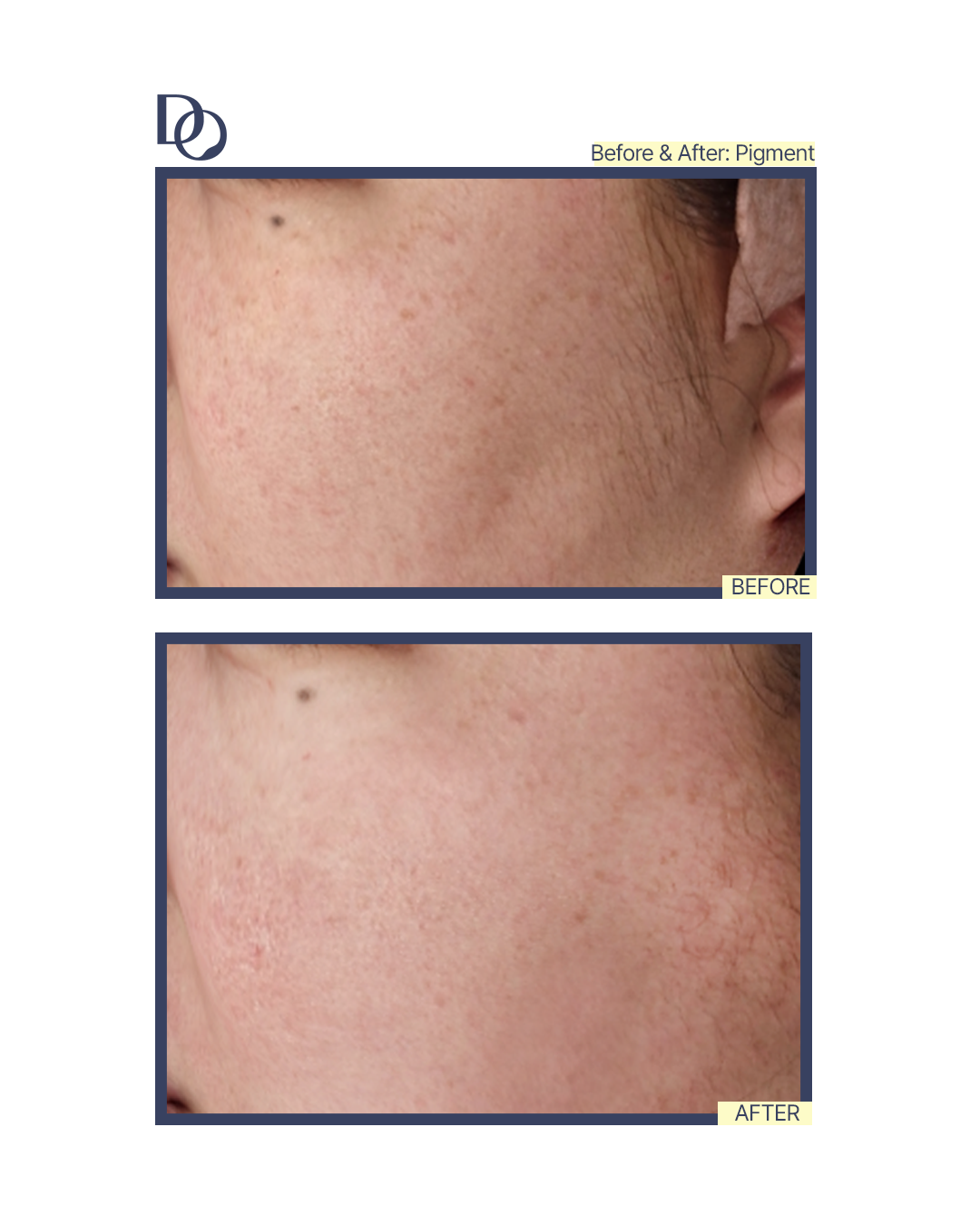
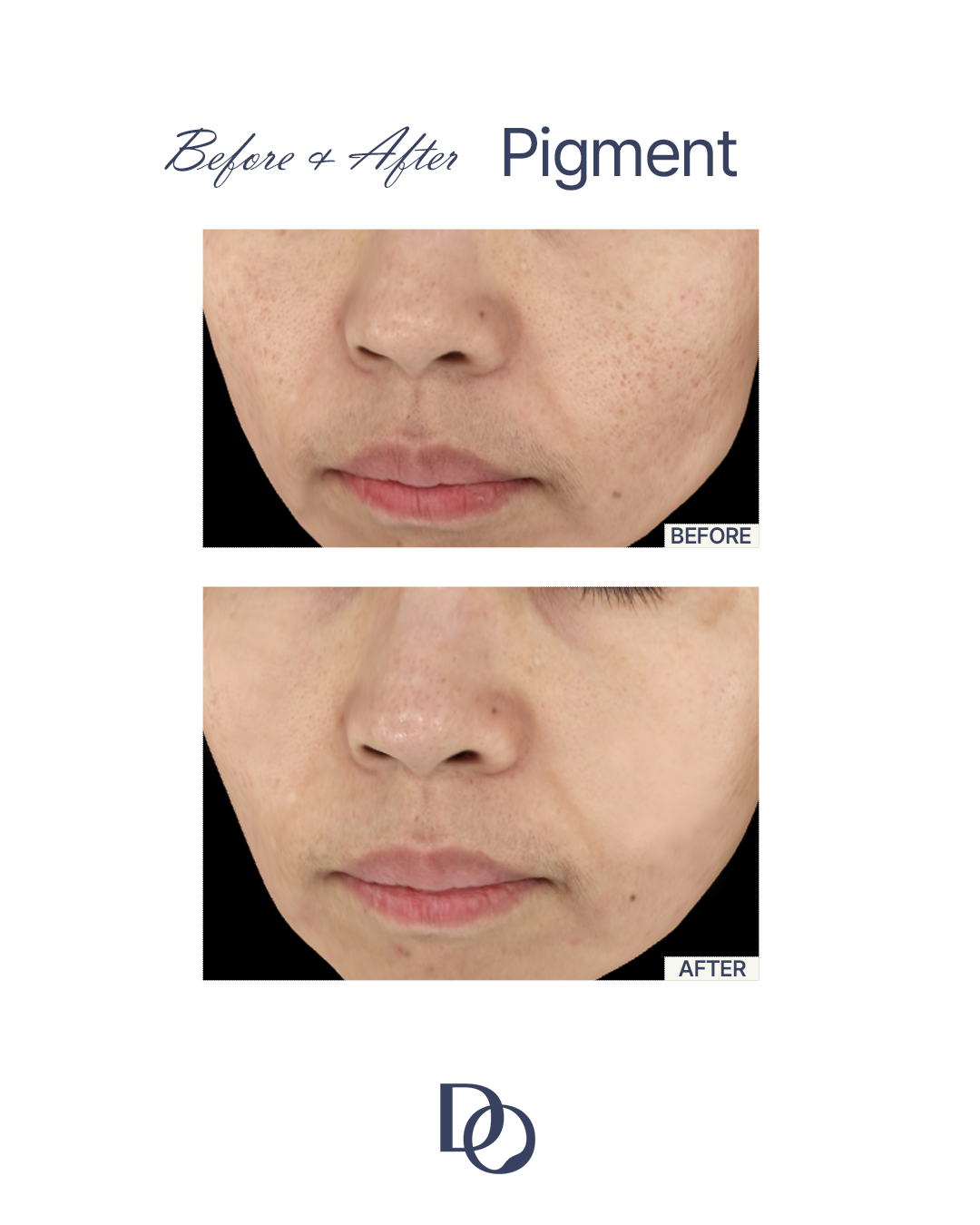
- Pico laser
- Laser toning
- IPL
- Fractional laser
- Chemical peels
- RF microneedling
- Botox
- Dermal fillers
- Skin boosters
Like all medical procedures, these treatments have potential risks, but careful patient selection, proper technique, and appropriate aftercare help minimize complications.
The Importance of Choosing a Qualified Dermatologist
One of the most important safety factors is choosing an experienced, board-certified dermatologist.
An experienced physician will:
- Correctly diagnose your skin condition
- Recommend appropriate treatments
- Avoid unnecessary procedures
- Customize treatment settings
- Recognize potential risks
- Provide detailed aftercare instructions
A thorough consultation is an important part of safe dermatology care.
Personalized Treatment Improves Safety
No two patients have identical skin.
During your consultation, your dermatologist may evaluate:
- Skin type
- Pigmentation
- Acne activity
- Skin sensitivity
- Previous cosmetic treatments
- Medical history
- Current medications
- Lifestyle factors
This information helps determine which treatments are most appropriate while reducing unnecessary risks.
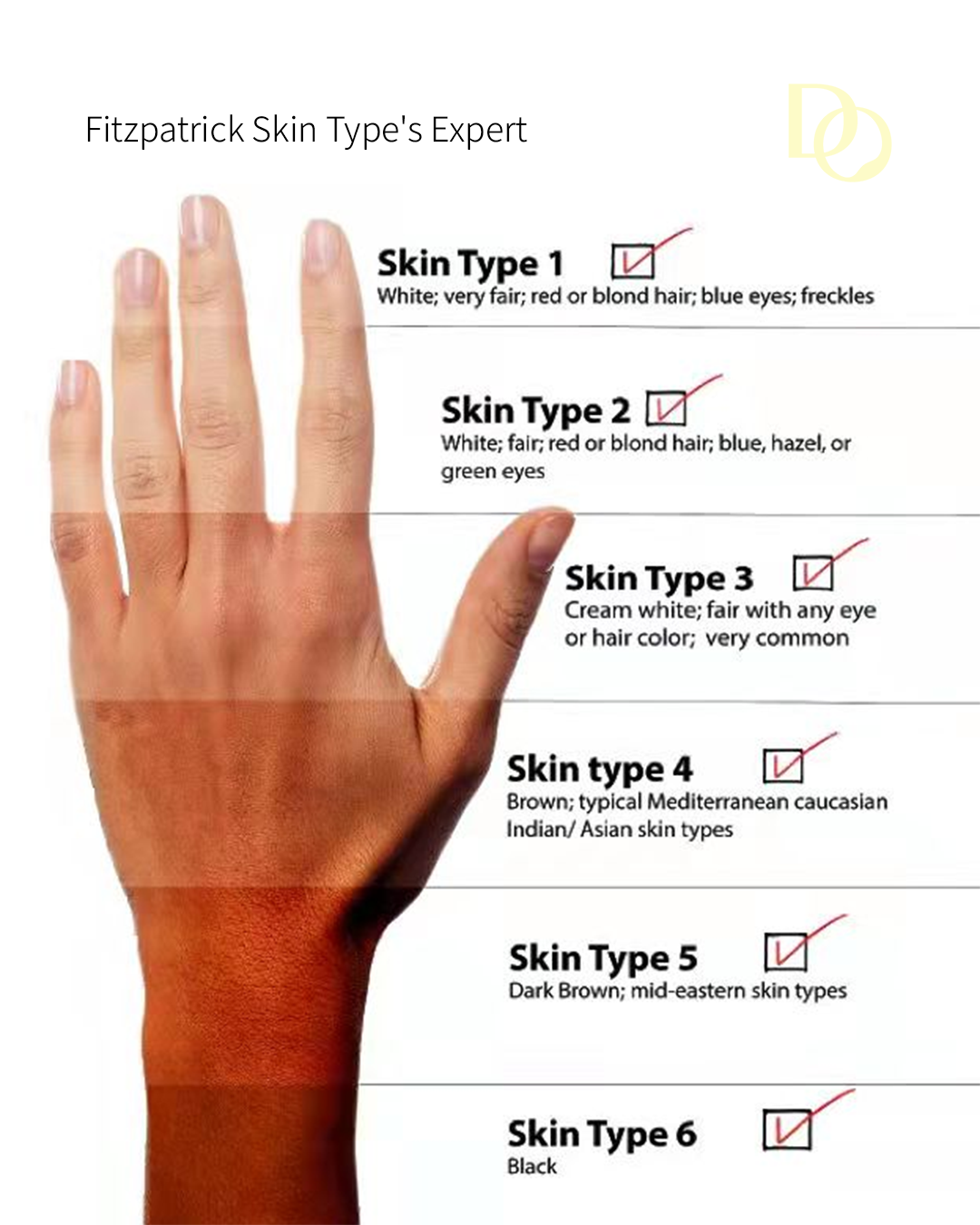
Is Korean Dermatology Safe for Different Skin Types?
Yes, but treatment should always be individualized.
Skin characteristics such as pigmentation, sensitivity, and healing response vary from person to person.
Experienced dermatologists adjust laser settings, treatment intensity, and recovery protocols according to each patient's skin type to minimize irritation and reduce the risk of unwanted pigmentation.
What Are the Possible Side Effects?
Most cosmetic dermatology treatments have temporary and expected side effects.
These may include:
- Mild redness
- Temporary swelling
- Dryness
- Slight peeling
- Temporary darkening of pigmentation
- Mild sensitivity
These reactions usually improve within several days, depending on the treatment performed.
More significant complications are uncommon but can occur with any medical procedure, making proper evaluation and aftercare important.
How Do Clinics Reduce Treatment Risks?
Reputable clinics typically improve safety by:
- Performing thorough consultations
- Reviewing medical history
- Evaluating medications and allergies
- Explaining realistic expectations
- Using appropriate treatment settings
- Providing detailed aftercare instructions
- Scheduling follow-up visits when needed
Safety depends on careful planning before treatment—not just the procedure itself.
Is It Safe to Have Multiple Treatments at the Same Visit?
In many cases, combination therapy is both common and appropriate.
For example, a dermatologist may combine:
- Pico laser and skin boosters
- Laser toning and medical skincare
- Botox and laser treatments
- Chemical peels and hydration therapy
However, not every treatment should be performed together. Your dermatologist will recommend combinations based on your skin condition, recovery time, and treatment goals.
How Can Patients Improve Their Safety?
Patients also play an important role in achieving safe outcomes.
Before treatment:
- Share your complete medical history
- Inform the clinic about allergies
- Mention previous cosmetic procedures
- List current medications
- Discuss pregnancy or breastfeeding if applicable
After treatment:
- Follow aftercare instructions carefully
- Wear sunscreen daily
- Avoid excessive sun exposure
- Use recommended skincare products
- Attend follow-up appointments if advised
Good communication between you and your dermatologist contributes to safer treatment and better results.
What Should International Patients Look For?
When choosing a Korean skin clinic, consider:
- Board-certified dermatologists
- Experience treating your specific skin concern
- English-speaking staff or coordinators
- Transparent pricing
- Personalized consultations
- Comprehensive aftercare
- Experience caring for international patients
These factors help create a smoother and safer treatment experience.
Why International Patients Trust Korean Dermatology
Korea has earned a strong international reputation for cosmetic dermatology because of its advanced technology, highly trained specialists, and patient-centered approach. Many clinics regularly treat visitors from around the world and are familiar with the needs of international patients, including English-language support and travel-friendly treatment planning.
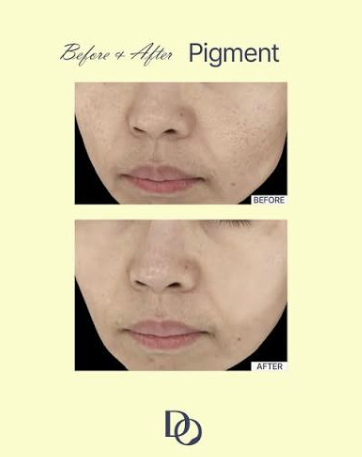
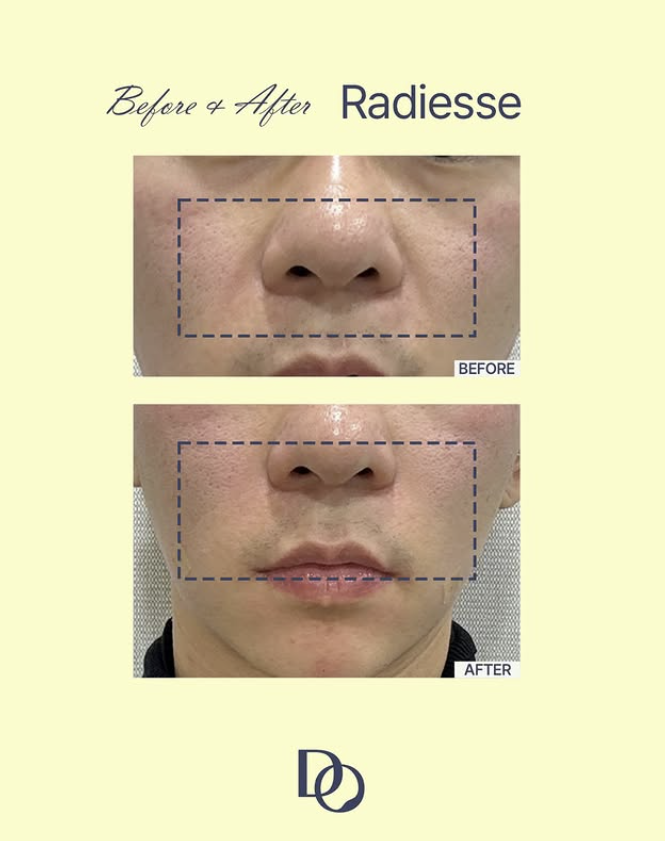
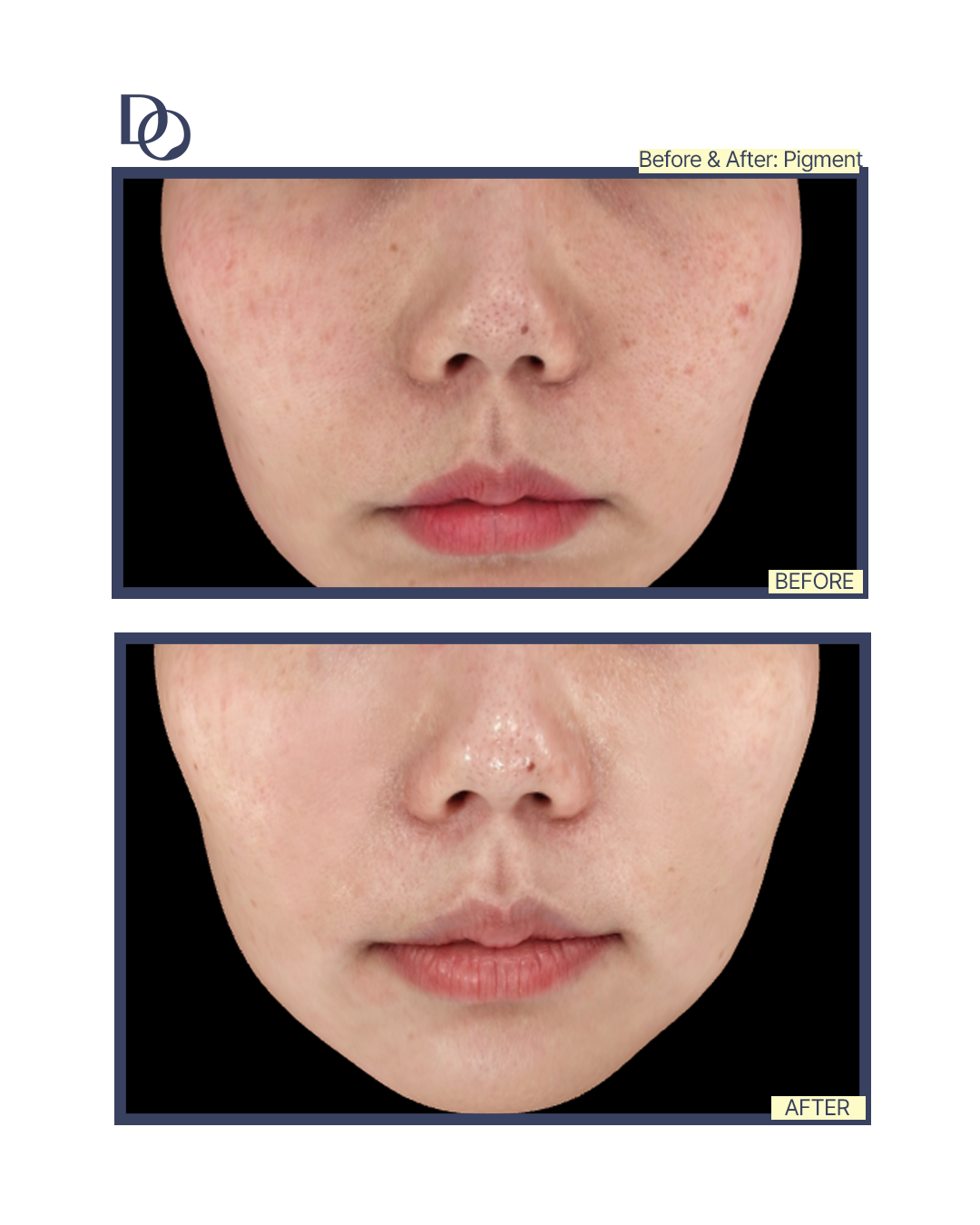
The emphasis on individualized care, careful skin assessment, and modern treatment techniques allows many patients to safely address concerns such as acne, pigmentation, aging skin, enlarged pores, and uneven texture.
Final Thoughts
Korean dermatology is generally considered safe when treatments are performed by experienced, qualified dermatologists who create personalized treatment plans based on your skin type and medical history. Careful consultation, appropriate treatment selection, and proper aftercare all contribute to successful outcomes.
Whether you are considering laser treatments, acne therapy, pigmentation correction, anti-aging procedures, or skin rejuvenation, choosing a reputable clinic and maintaining open communication with your dermatologist are the best ways to ensure a safe and satisfying experience.