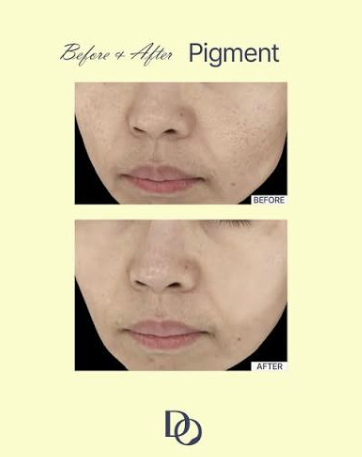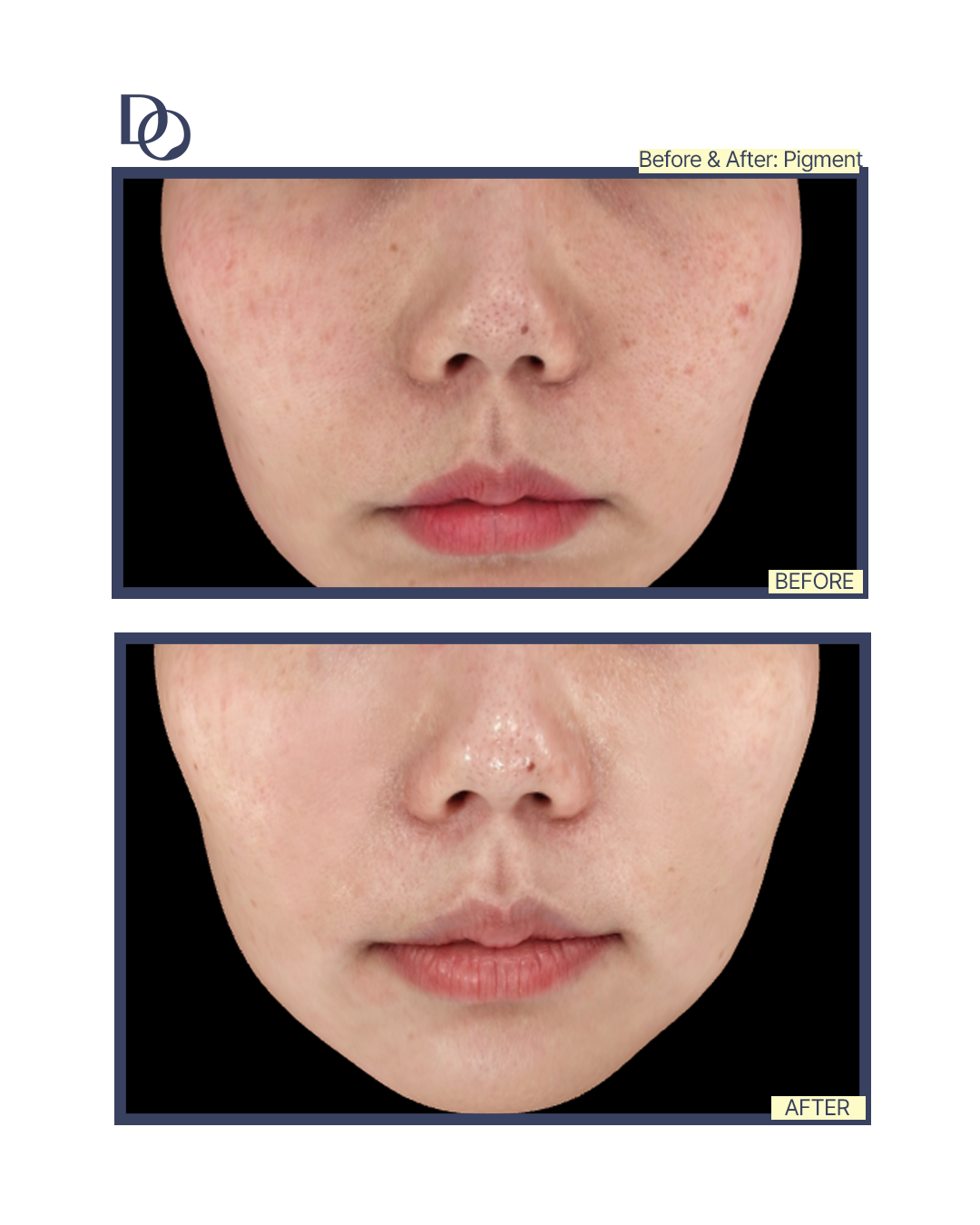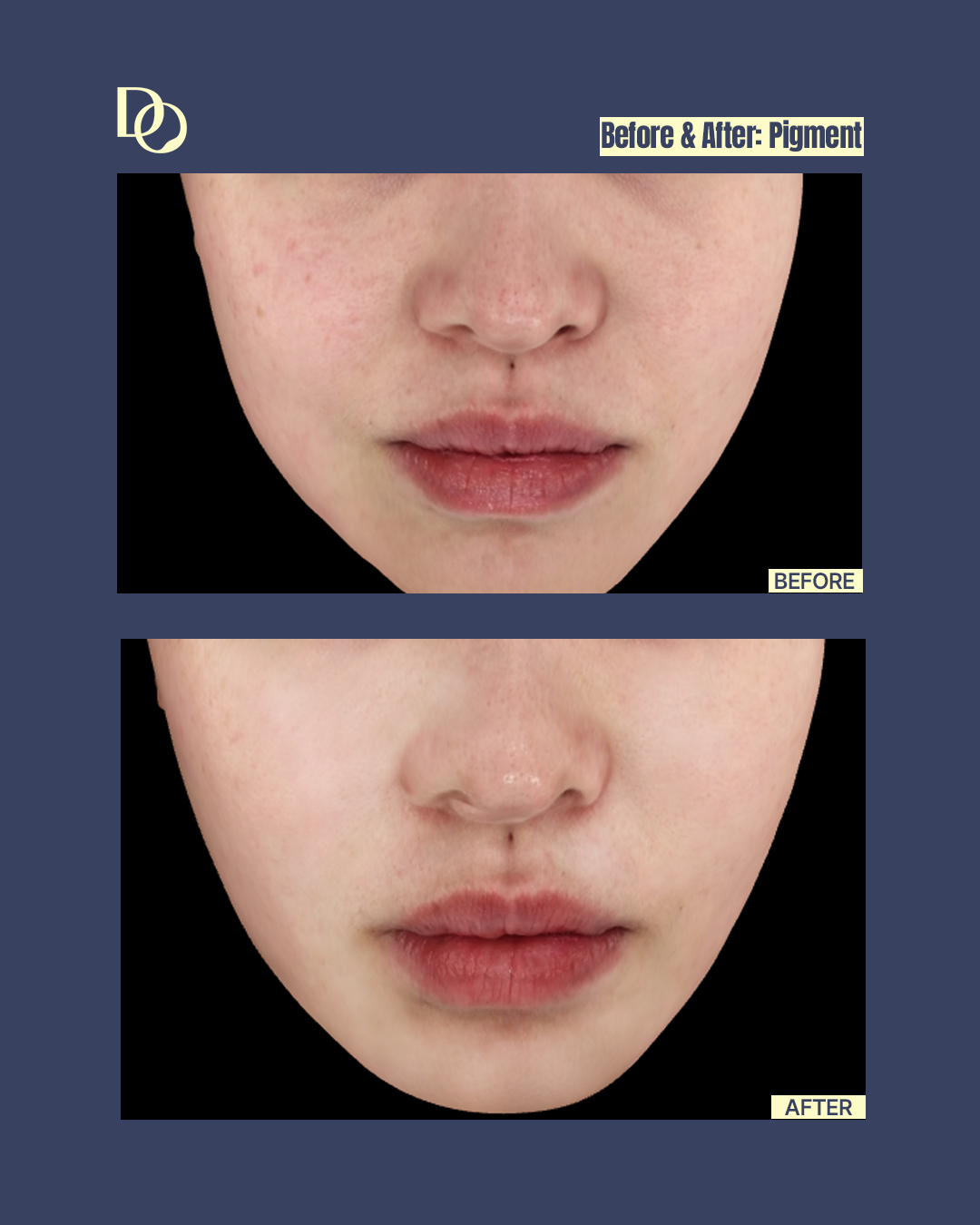
Laser Treatment for Melasma
Laser Treatment for Melasma in Korea: What International Patients Should Know

Melasma is a common pigmentation condition that causes irregular brown or grayish patches, usually on the cheeks, forehead, upper lip, nose, or chin. It can be difficult to treat because the pigmentation may return, especially after sun exposure, heat, hormonal changes, or skin irritation.
Korean skin clinics offer several laser treatments for melasma, but successful care is rarely about using the strongest laser. The safest approach usually involves an accurate skin assessment, conservative laser settings, strict sun protection, and a personalized maintenance plan.
What Is Melasma?
Melasma develops when pigment-producing cells create excessive melanin in certain areas of the skin.
Common triggers include:
- Sun and ultraviolet exposure
- Hormonal changes
- Pregnancy
- Birth-control medication
- Heat exposure
- Genetics
- Skin inflammation
- Irritating skincare products
Melasma is more common in women, but men can also develop the condition.
Can Laser Treatment Remove Melasma?
Laser treatment can help lighten melasma, but it should not be viewed as a guaranteed permanent cure.
Melasma is a chronic and recurring condition. Even after noticeable improvement, pigmentation may return if the skin is exposed to sunlight, heat, hormonal triggers, or irritation.
The goal of treatment is usually to:
- Reduce visible pigmentation
- Create a more even skin tone
- Control recurrence
- Protect the skin barrier
- Maintain results over time
Why Melasma Requires a Careful Approach
Melasma is different from ordinary freckles or isolated sun spots.
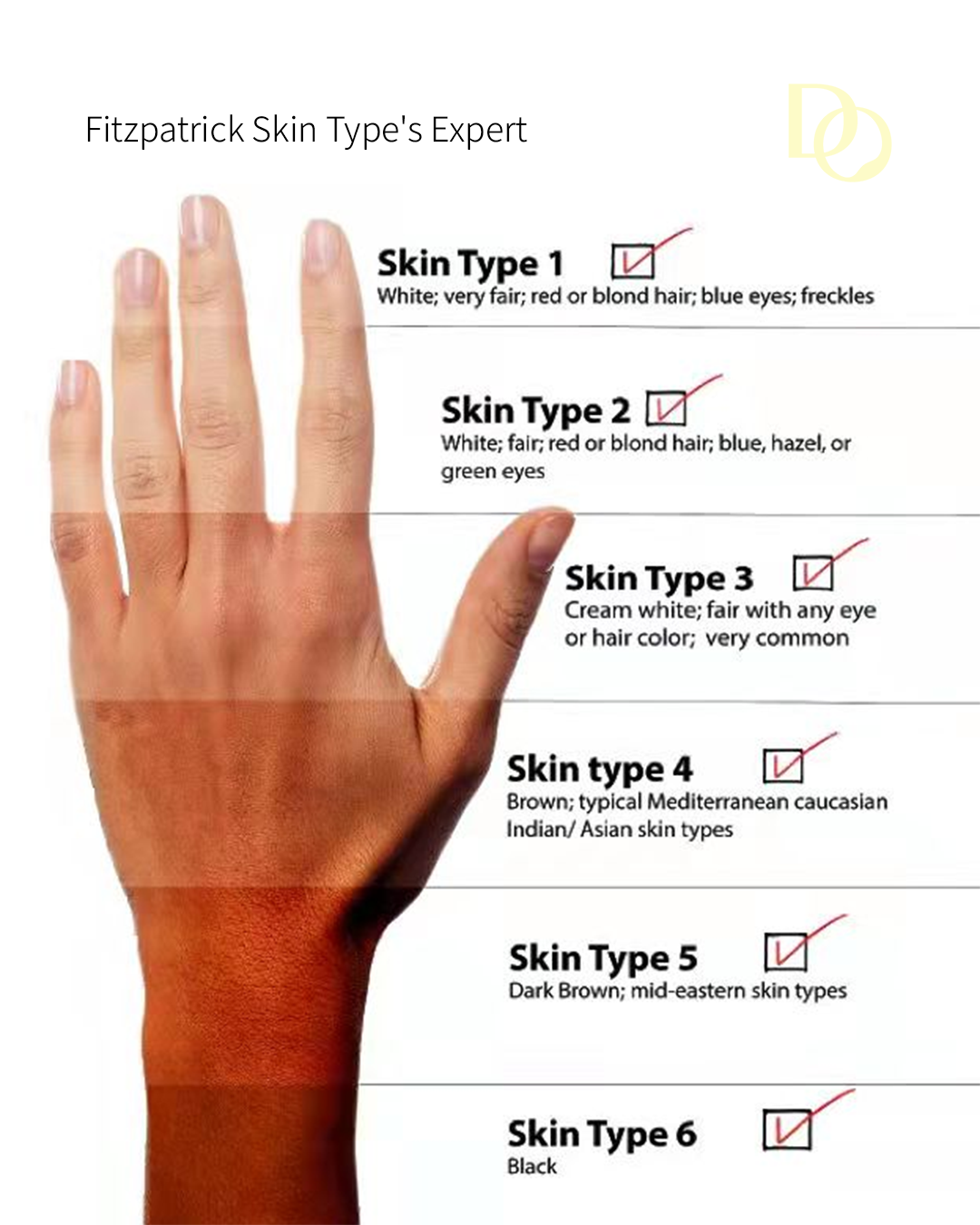
Aggressive laser treatment may temporarily lighten pigmentation but can also irritate the skin and trigger rebound darkening. Patients with medium or darker skin tones may also have a higher risk of post-inflammatory hyperpigmentation.
For this reason, Korean dermatologists often prefer gentle, repeated treatments instead of one high-energy session.
Laser Toning for Melasma
Laser toning is one of the most commonly used procedures for melasma in Korean skin clinics.
It usually uses low-energy laser pulses to gradually target excess pigment while minimizing unnecessary heat and inflammation.
Laser toning may help improve:
- Diffuse facial pigmentation
- Uneven skin tone
- Mild-to-moderate melasma
- Dull complexion
- Recurrent pigmentation
Because the treatment is gentle, several sessions are usually needed.
Pico Laser for Melasma
Pico lasers deliver ultra-short pulses of energy to break pigment into smaller particles.
They may be included in a melasma treatment plan when the dermatologist wants to target selected areas while limiting heat exposure. However, Pico laser is not automatically the best option for every melasma patient.
The doctor must consider:
- Melasma depth
- Skin tone
- Skin sensitivity
- Previous laser history
- Risk of rebound pigmentation
- Current skin-barrier condition
Carefully selected settings are more important than simply choosing the newest device.
Laser Toning vs Pico Laser for Melasma
Both technologies may be used, but they serve slightly different purposes.
Laser toning may be preferred for:
- Diffuse melasma
- Gradual brightening
- Sensitive skin
- Maintenance treatment
- Patients seeking minimal downtime
Pico laser may be considered for:
- Mixed pigmentation
- Selected stubborn areas
- Melasma combined with freckles or sun spots
- Patients who may benefit from photoacoustic pigment targeting
Some patients receive a combination of both treatments, depending on their skin condition.
Why Strong Lasers Are Not Always Better
Melasma-prone skin can react poorly to excessive heat or inflammation.
Using energy that is too aggressive may increase the risk of:
- Temporary redness
- Skin-barrier damage
- Post-inflammatory hyperpigmentation
- Rebound melasma
- Uneven discoloration
- Increased sensitivity
A gentle and consistent plan is often safer than trying to remove all pigmentation in one visit.
Combination Treatment for Better Control
Laser treatment alone may not be enough to control melasma.
Korean dermatologists may combine laser therapy with:
- Prescription brightening products
- Medical-grade skincare
- Gentle chemical peels
- Hydration treatments
- Barrier-repair treatments
- Antioxidant care
- Daily sunscreen
This combination approach addresses both visible pigmentation and the factors that contribute to recurrence.
The Importance of Skin-Barrier Repair
A weakened skin barrier can make melasma more difficult to manage.
Before or alongside laser treatment, the dermatologist may recommend treatments that improve:
- Hydration
- Skin sensitivity
- Redness
- Barrier strength
- Inflammation control
Patients with irritated or over-exfoliated skin may need to restore skin health before beginning laser treatment.
How Many Sessions Are Needed?
The number of sessions varies according to:
- Pigmentation depth
- Severity of melasma
- Skin type
- Previous treatment history
- Hormonal factors
- Sun exposure
- Response to treatment
Many patients require a series of gentle sessions rather than a single treatment. Maintenance sessions may also be recommended because melasma can return.
Is There Downtime?
Gentle laser toning usually involves little to no downtime.
Temporary effects may include:
- Mild redness
- Warmth
- Slight dryness
- Temporary sensitivity
More intensive or combination treatments may require additional recovery. Your dermatologist should explain the expected downtime before treatment.
Can International Patients Receive Melasma Treatment?
Yes. Melasma treatment is popular among international patients visiting Korean skin clinics.
However, patients staying in Korea for only a few days should understand that melasma usually requires ongoing care. A single visit may provide some improvement, but long-term management often requires:
- Multiple treatment sessions
- Consistent sun protection
- Appropriate home skincare
- Follow-up care after returning home
Your treatment plan should be adapted to your travel schedule.
Sun Protection Is Essential
Sun protection is one of the most important parts of melasma management.
Patients are generally advised to:
- Apply broad-spectrum sunscreen daily
- Reapply sunscreen when outdoors
- Wear a hat in strong sunlight
- Avoid unnecessary heat exposure
- Use gentle skincare after treatment
- Avoid tanning
Visible light and heat may also contribute to melasma in some patients, so physical sun protection is especially important.
What Should You Avoid After Treatment?
Your dermatologist may advise you to temporarily avoid:
- Strong exfoliating acids
- Scrubs
- Retinoids
- Saunas
- Hot baths
- Intense exercise immediately after treatment
- Direct sun exposure
- Harsh whitening products
Following aftercare instructions helps reduce irritation and lowers the risk of pigmentation worsening.
Who May Need Extra Caution?
Additional caution may be necessary if you:
- Have very sensitive skin
- Recently experienced sunburn
- Have active dermatitis
- Developed pigmentation after previous lasers
- Are pregnant or breastfeeding
- Use photosensitizing medications
- Have a history of keloid or abnormal scarring
Always provide a complete medical and treatment history during your consultation.
Choosing a Korean Skin Clinic for Melasma
When choosing a clinic, look for a doctor who understands that melasma requires long-term management rather than aggressive one-time removal.
A thorough consultation should include:
- Evaluation of pigmentation type
- Review of previous treatments
- Skin-tone and sensitivity assessment
- Discussion of recurrence risk
- Explanation of realistic results
- Personalized aftercare instructions
Be cautious of clinics promising complete and permanent melasma removal after one laser session.
Is Laser Treatment Right for Your Melasma?
Laser treatment may be helpful, but the ideal plan depends on your specific type of pigmentation.
Some patients benefit from gentle laser toning, while others may need Pico laser, topical medication, barrier repair, or a combination approach. In certain cases, the dermatologist may recommend postponing laser treatment until inflammation or skin sensitivity is under control.
Manage Melasma with a Personalized Korean Treatment Plan
Melasma treatment requires patience, consistency, and careful medical supervision. The best results usually come from combining conservative laser therapy with sun protection, medical skincare, and long-term maintenance.
Korean skin clinics are known for offering advanced pigmentation technology, but the most important factor is not the device alone. A personalized treatment plan that protects the skin while gradually reducing pigmentation provides the safest path toward a clearer, brighter, and more even complexion.