Oligio vs Ultherapy
Oligio vs Ultherapy: Which Skin Tightening Treatment Is Better?

Oligio and Ultherapy are both non-surgical skin tightening treatments that stimulate collagen production, but they use different technologies and target different layers of the skin. Oligio uses monopolar radiofrequency (RF) to tighten the skin and improve elasticity, while Ultherapy uses microfocused ultrasound to lift deeper facial tissues. The best treatment depends on your degree of skin laxity, skin quality, and aesthetic goals.
If you're considering a non-surgical facelift in Seoul, you may be deciding between Oligio and Ultherapy. Both treatments are popular in Korean dermatology clinics because they improve skin firmness without surgery, but they are designed for different concerns.
Rather than choosing the newest technology, Korean dermatologists evaluate your facial anatomy and skin condition to recommend the treatment that will produce the most natural-looking results.
What Is Oligio?
Oligio is a monopolar radiofrequency (RF) skin tightening treatment that delivers controlled heat into the dermis and subcutaneous tissue.
The heat stimulates collagen remodeling while tightening existing collagen fibers, helping the skin become firmer over time.
Oligio is commonly recommended for:
- Mild skin laxity
- Fine lines
- Loose jawline skin
- Enlarged pores
- Reduced skin elasticity
- Overall skin rejuvenation
Because it also improves skin texture, Oligio is popular among patients looking for both tightening and healthier-looking skin.
What Is Ultherapy?
Ultherapy uses microfocused ultrasound to deliver energy deep beneath the skin without damaging the surface.
Unlike radiofrequency devices, Ultherapy reaches the Superficial Musculoaponeurotic System (SMAS), the same connective tissue layer addressed during a surgical facelift.
Ultherapy is commonly used for:
- Mild to moderate facial sagging
- Jowls
- Loose neck skin
- Drooping cheeks
- Brow lifting
- Jawline definition
Its primary goal is lifting deeper support structures rather than improving surface skin texture.
How Do Oligio and Ultherapy Work?
Although both stimulate collagen production, they target different depths.
Oligio
- Uses monopolar radiofrequency
- Heats the dermis and subcutaneous tissue
- Tightens existing collagen
- Stimulates new collagen formation
- Improves skin texture and firmness
Ultherapy
- Uses focused ultrasound
- Reaches the SMAS layer
- Creates precise thermal coagulation points
- Lifts deeper facial tissues
- Stimulates long-term collagen production
Because they work at different levels, they often complement each other.
Oligio vs Ultherapy: Which Is Better for Lifting?
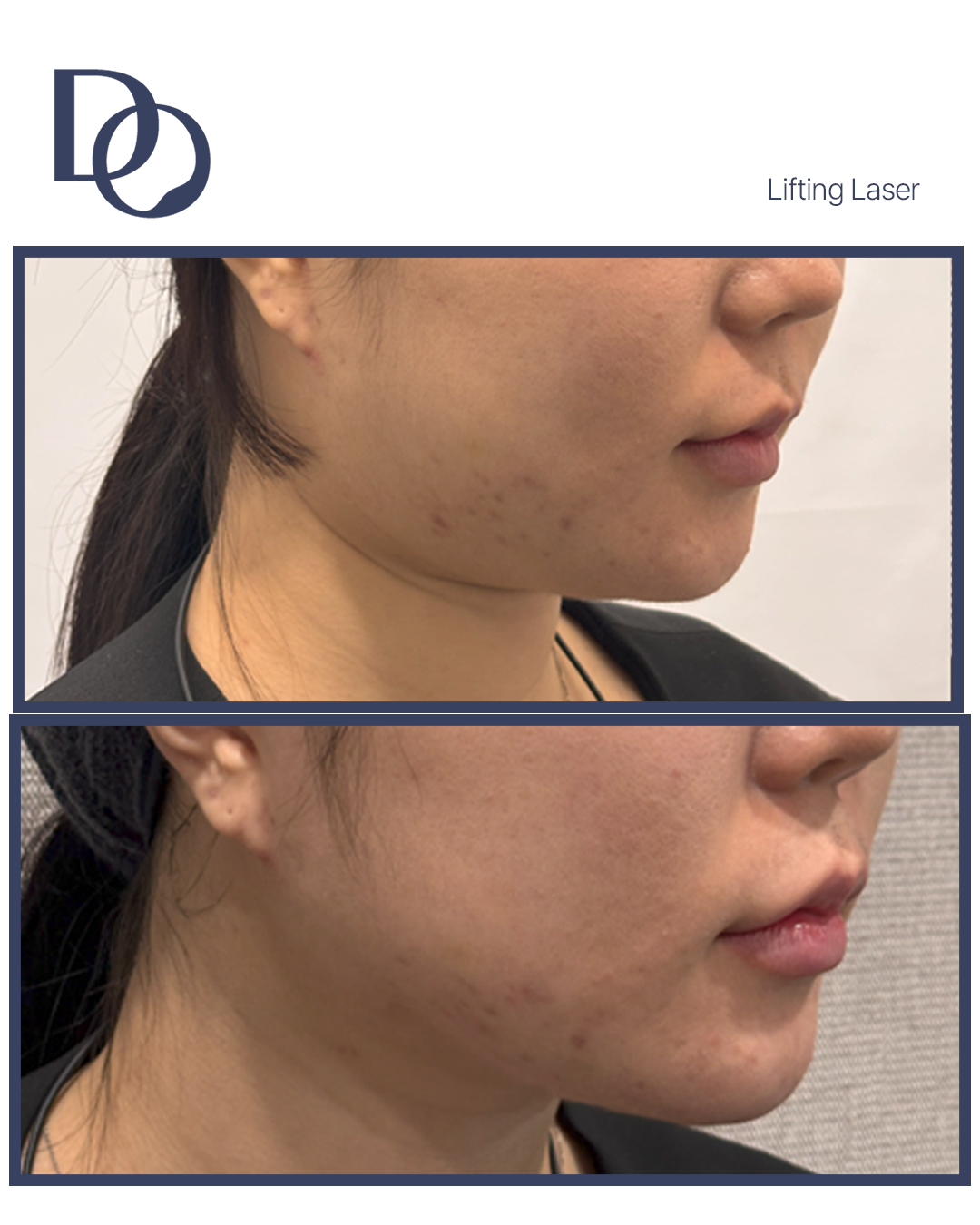
Ultherapy is generally the better option when facial lifting is the primary concern.
It is particularly effective for:
- Early jowls
- Mild cheek sagging
- Loose neck skin
- Drooping brows
- Mild facial laxity
By targeting deeper support structures, Ultherapy provides a more noticeable lifting effect in appropriate candidates.
Which Is Better for Skin Tightening?
Oligio often performs better for improving skin firmness and elasticity.
It is commonly recommended for:
- Loose skin
- Fine wrinkles
- Mild skin laxity
- Crepey skin
- Enlarged pores
- Overall skin texture
Patients seeking smoother, tighter skin without significant tissue sagging often respond well to Oligio.
Which Treatment Is Better for the Jawline?
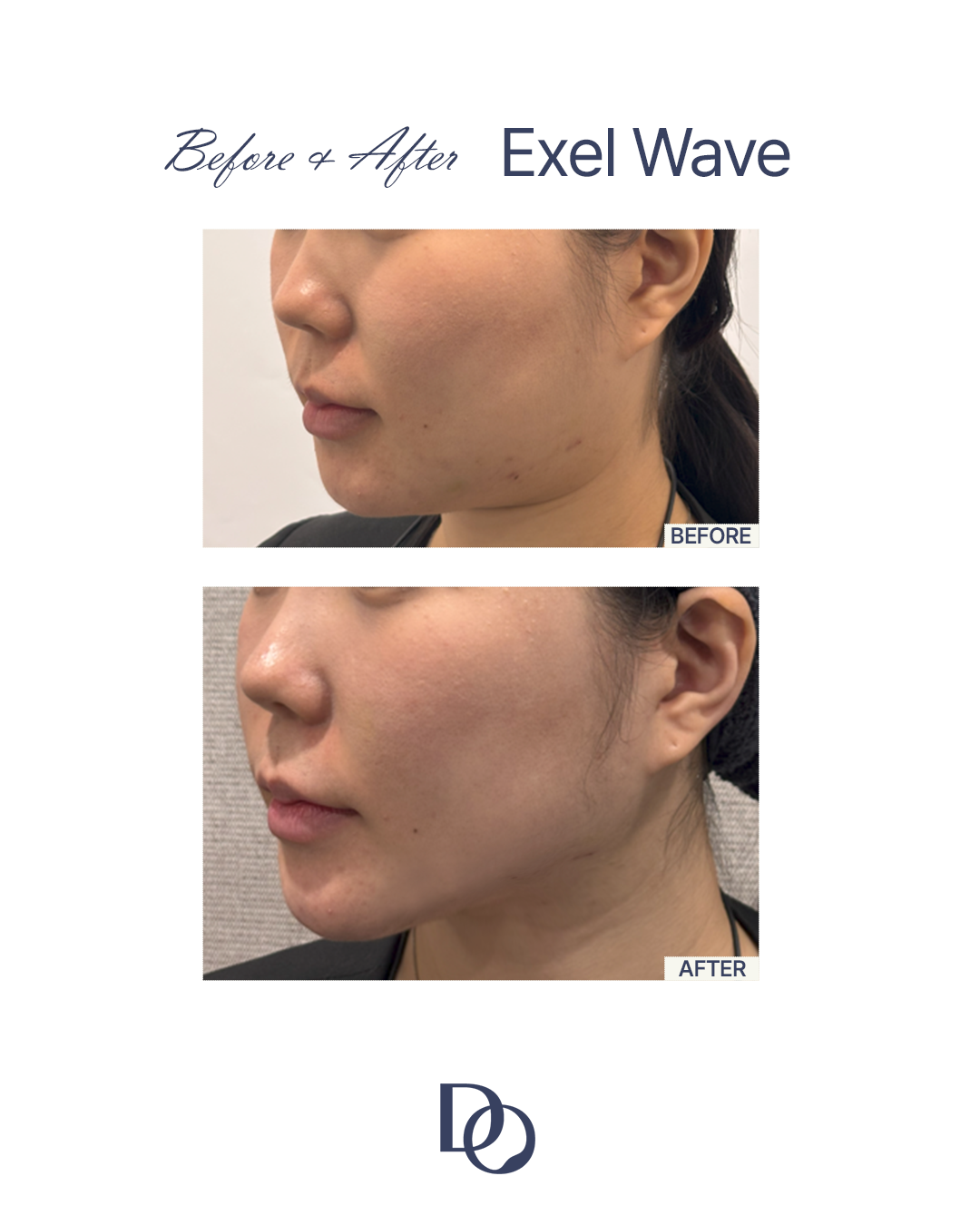
Both treatments can improve jawline definition.
Oligio
Best for:
- Tightening loose skin
- Refining jawline contours
- Improving skin firmness
Ultherapy
Best for:
- Lifting early jowls
- Supporting deeper facial tissues
- Improving jawline definition caused by tissue descent
Your dermatologist will determine whether your jawline concerns are caused primarily by loose skin or deeper tissue laxity.
Which Treatment Is Better for Wrinkles and Skin Texture?
Oligio generally provides greater improvement in:
- Fine lines
- Skin texture
- Enlarged pores
- Mild skin laxity
- Overall skin quality
Ultherapy is not primarily designed to improve surface skin texture, although lifting the skin may indirectly soften certain wrinkles.
Which Treatment Is More Comfortable?
Comfort varies depending on the individual.
Oligio
Many patients describe the treatment as:
- Warm
- Comfortable
- Well tolerated
Modern cooling technology helps improve patient comfort throughout the procedure.
Ultherapy
Patients may experience:
- Brief deeper sensations
- Tingling
- Temporary discomfort as energy reaches deeper tissues
Most clinics use pain management techniques to improve the treatment experience.
How Long Do Results Last?
Oligio
Results generally last:
- 6–12 months
Maintenance treatments are commonly performed once or twice a year.
Ultherapy
Results typically last:
- 12–18 months
Longevity varies depending on your age, skin quality, and lifestyle.
When Will You See Results?
Oligio
Some patients notice mild tightening shortly after treatment.
Additional improvement develops over:
- 2–4 months
as collagen remodeling continues.
Ultherapy
Lifting develops gradually over:
- 2–6 months
This reflects the time needed for new collagen production in deeper tissue layers.
Can Oligio and Ultherapy Be Combined?
Yes.
Many Korean dermatologists recommend combining both treatments because they address different aspects of facial aging.
A personalized treatment plan may include:
- Ultherapy for deep tissue lifting
- Oligio for skin tightening
- Rejuran or Juvelook for improved skin quality
- RF microneedling for collagen stimulation
- Botox for dynamic wrinkles
By treating multiple layers of the skin, combination therapy often produces more balanced and natural-looking rejuvenation.
Who Is a Good Candidate for Oligio?
Oligio may be suitable if you have:
- Mild skin laxity
- Fine lines
- Enlarged pores
- Reduced elasticity
- Early signs of aging
- Good facial support with minimal sagging
Who Is a Good Candidate for Ultherapy?
Ultherapy is often recommended for individuals with:
- Mild to moderate facial sagging
- Early jowls
- Loose neck skin
- Drooping brows
- Loss of jawline definition
Patients with significant skin laxity may achieve better results with surgical lifting procedures.
Why Choose Seoul for Oligio and Ultherapy?
Seoul is internationally recognized for advanced non-surgical facial rejuvenation.
International patients choose Korean dermatology clinics because they offer:
- The latest RF and ultrasound technologies
- Experienced board-certified dermatologists
- Personalized facial assessments
- Customized combination treatments
- Advanced skin analysis
- English-friendly services for international patients
Rather than recommending one device for every patient, Korean dermatologists tailor treatments according to facial anatomy, skin thickness, collagen loss, and long-term aesthetic goals.
Final Thoughts
When comparing Oligio vs Ultherapy, the best choice depends on what you're trying to improve.
Choose Oligio if your main concerns are skin tightening, improved elasticity, fine lines, enlarged pores, and overall skin quality.
Choose Ultherapy if your primary goal is lifting sagging cheeks, improving the jawline, tightening the neck, or addressing early jowls.
For many patients, the most effective treatment plan combines both technologies with skin boosters and collagen-stimulating procedures to achieve comprehensive, natural-looking facial rejuvenation.