Acne Scar Treatment Guide
Acne Scar Treatment Guide: Best Treatments for Smoother Skin in Seoul

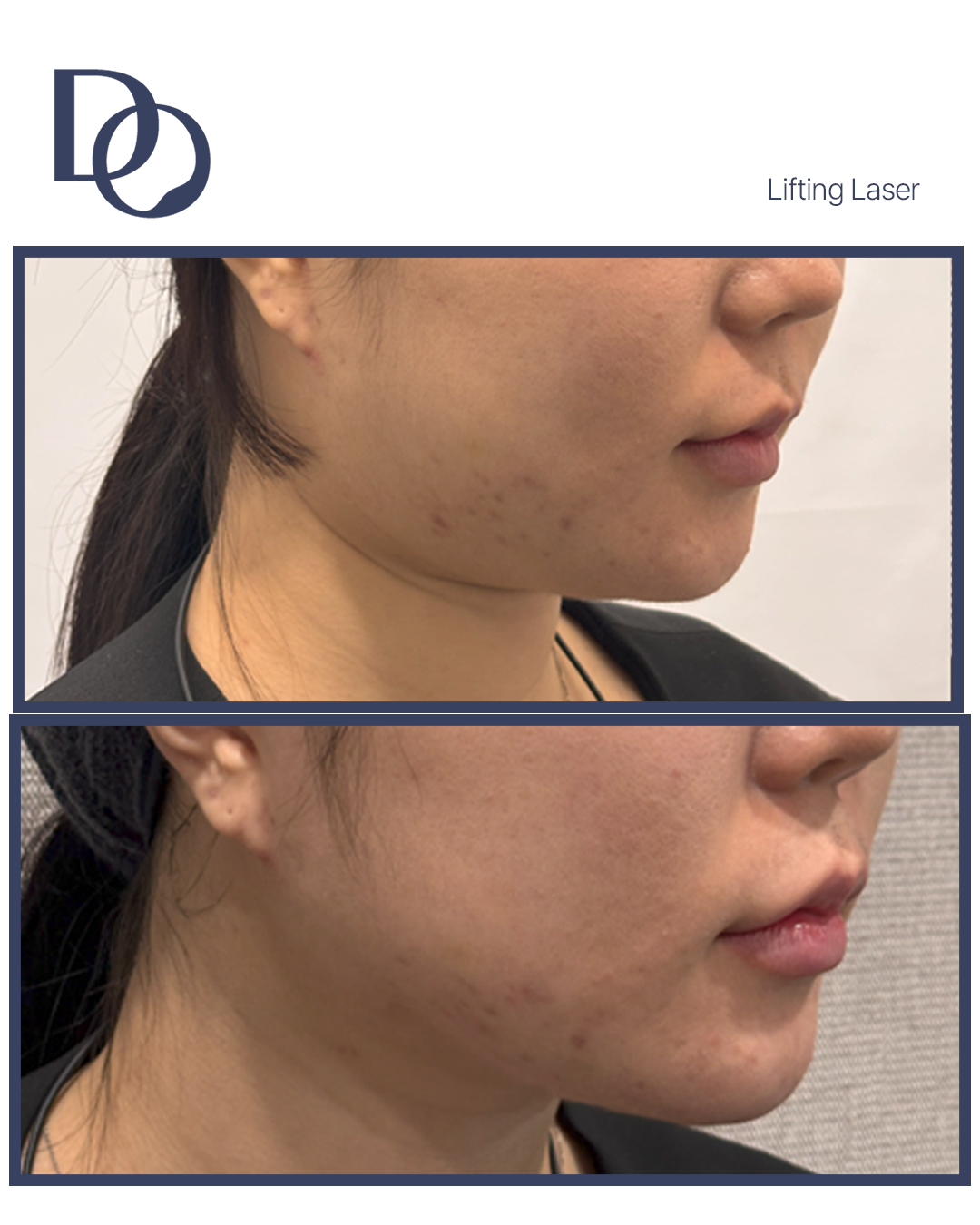
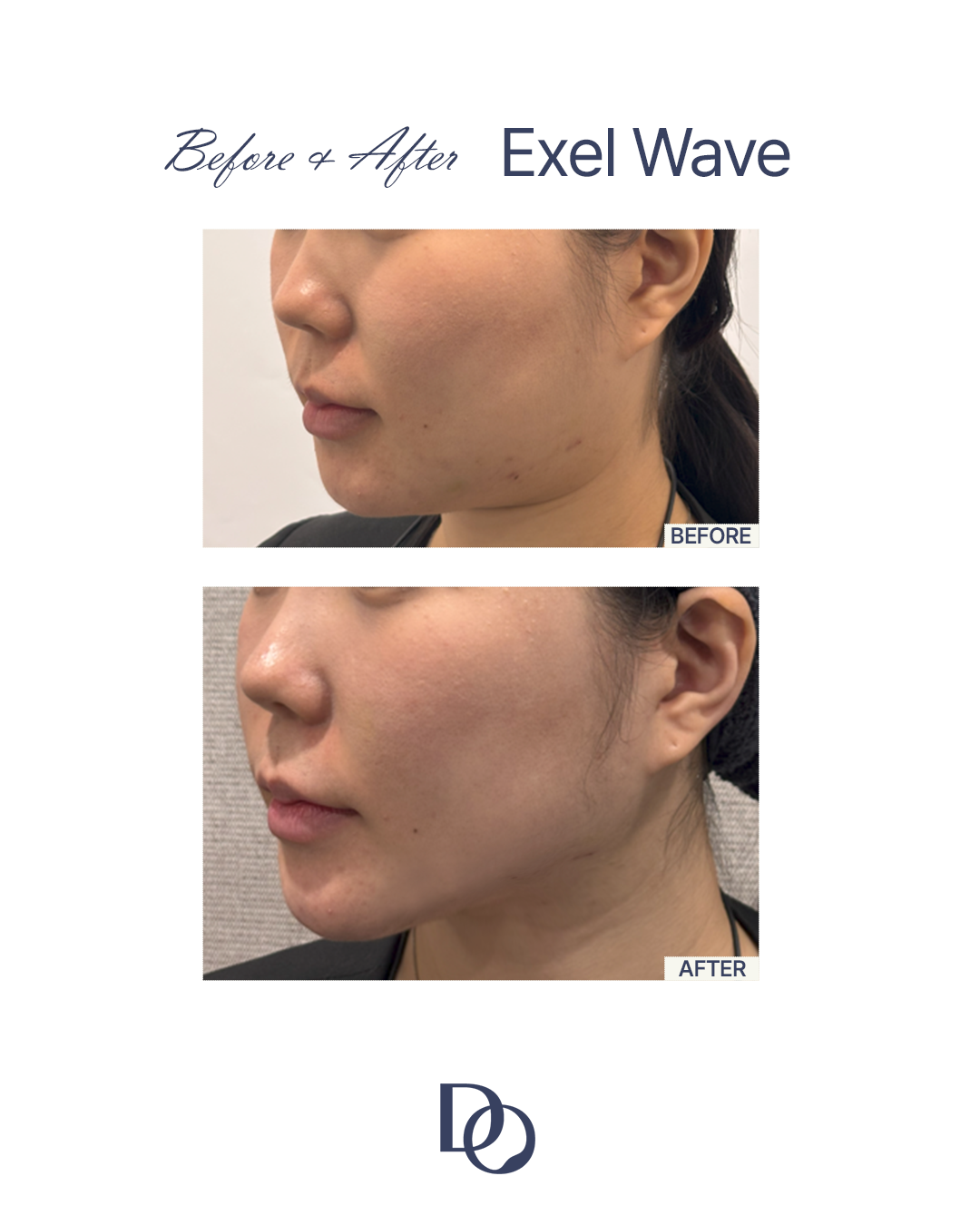
Acne scars are best treated with personalized combination therapies rather than a single procedure. Korean dermatology clinics commonly combine fractional laser, RF microneedling, subcision, collagen-stimulating skin boosters, and regenerative treatments to improve skin texture, stimulate collagen production, and achieve long-lasting, natural-looking results.
Acne may eventually disappear, but the scars it leaves behind can last for years if left untreated. Fortunately, advances in dermatology have made it possible to significantly improve most types of acne scars without surgery.
Seoul has become one of the world's leading destinations for acne scar treatment because Korean dermatologists focus on treating each scar type individually. Instead of using the same laser for everyone, they develop customized treatment plans based on your scar type, skin condition, and skin tone.
What Causes Acne Scars?
Acne scars develop when inflammation damages the deeper layers of the skin.
As the skin heals, collagen may be lost or produced unevenly, creating permanent changes in skin texture.
The risk of scarring increases when:
- Acne is severe
- Acne is left untreated
- Pimples are squeezed or picked
- Healing is delayed
- Genetics play a role
Early acne treatment is one of the best ways to prevent permanent scars.
Types of Acne Scars
Identifying the scar type is essential because different scars require different treatments.
Ice Pick Scars
These are narrow, deep scars that extend into the skin.
They are often the most difficult to treat and usually require combination therapy.
Boxcar Scars
Boxcar scars are wider with clearly defined edges.
They respond well to collagen-stimulating procedures such as fractional laser and RF microneedling.
Rolling Scars
Rolling scars create a wave-like appearance because scar tissue pulls the skin downward.
Subcision is commonly recommended to release these fibrous bands.
Post-Inflammatory Hyperpigmentation (PIH)
These are dark marks left after acne heals.
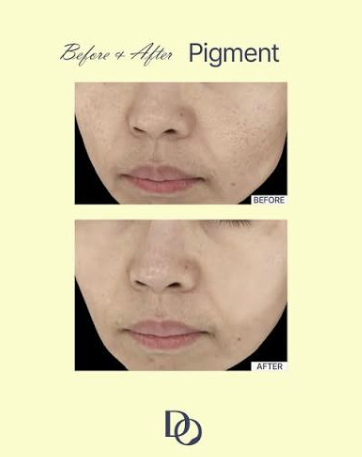
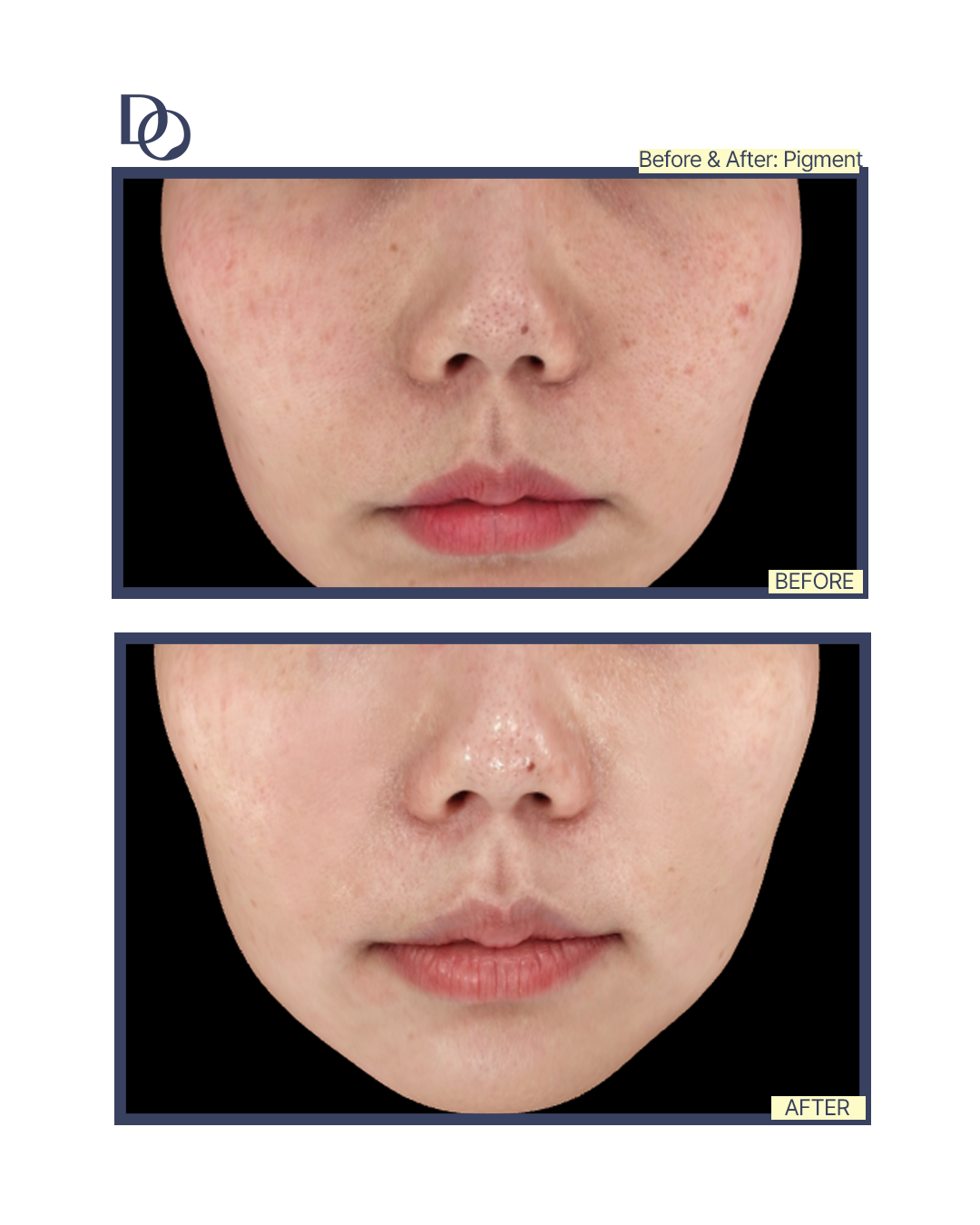
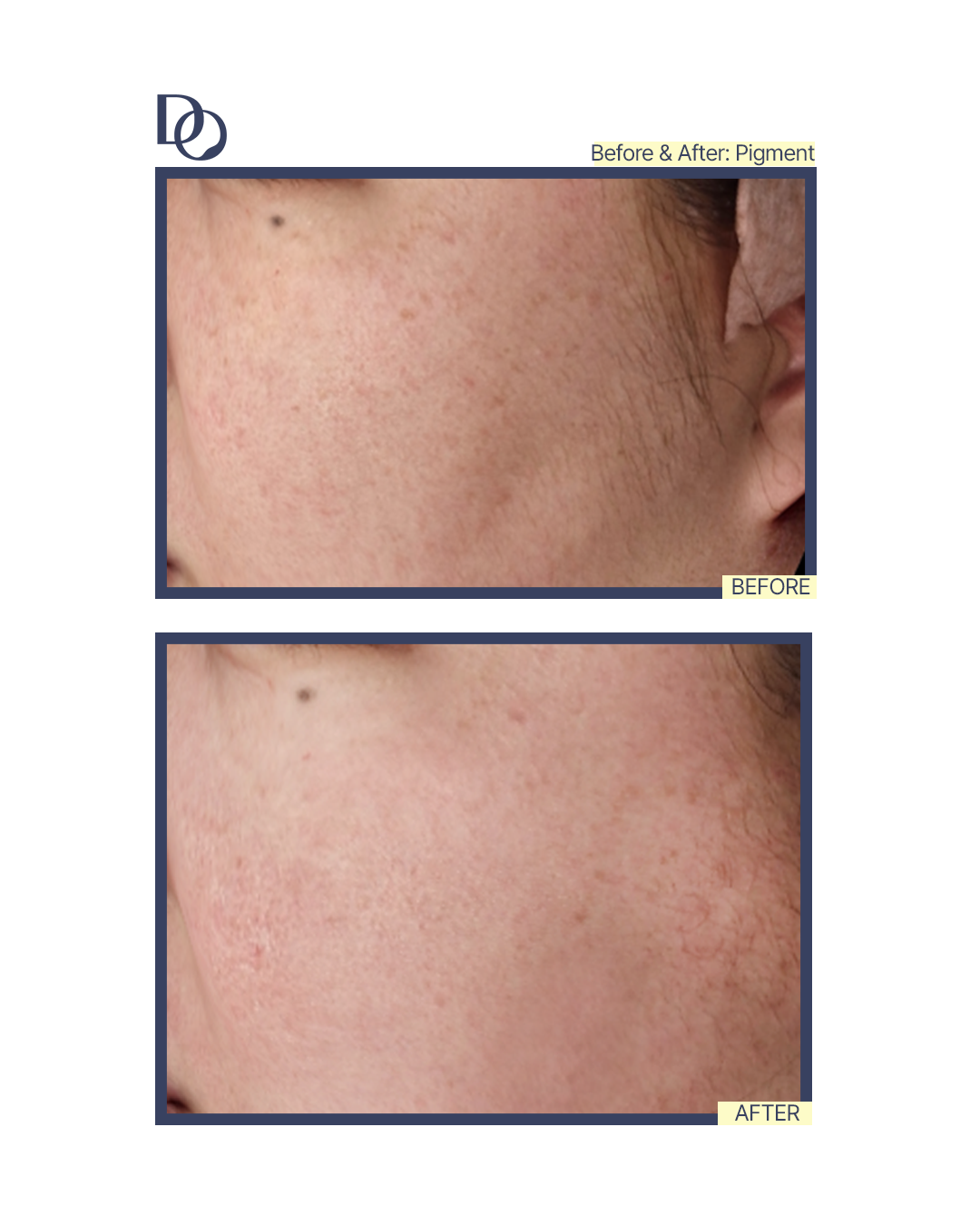
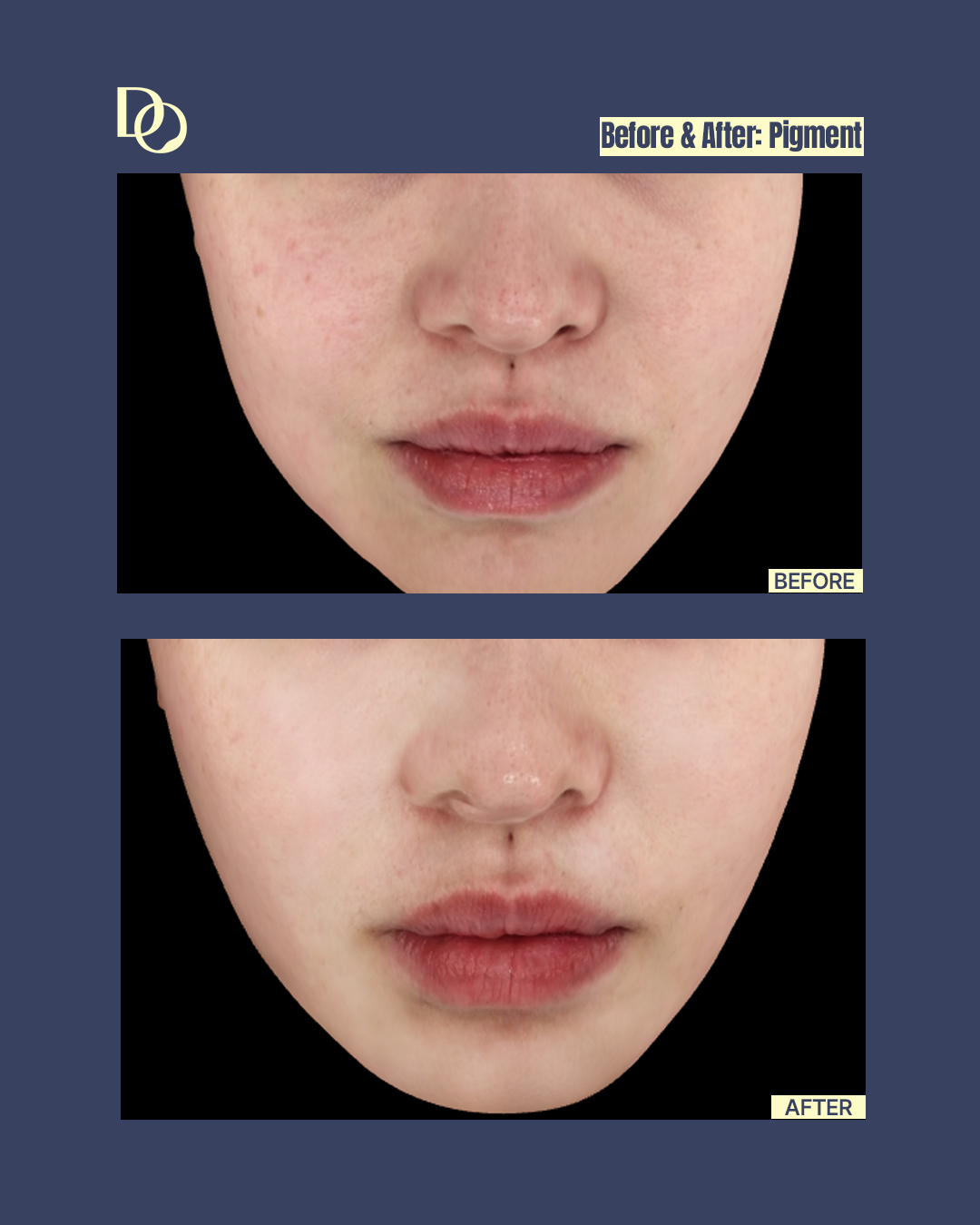
Although they are often mistaken for scars, they are pigmentation changes rather than true scars and usually respond well to pigment-targeting treatments.
Best Treatments for Acne Scars
1. Fractional Laser
Fractional laser is one of the most effective treatments for improving acne scars.
It creates controlled microscopic treatment zones that stimulate collagen remodeling while resurfacing damaged skin.
Benefits include:
- Improved acne scars
- Smoother texture
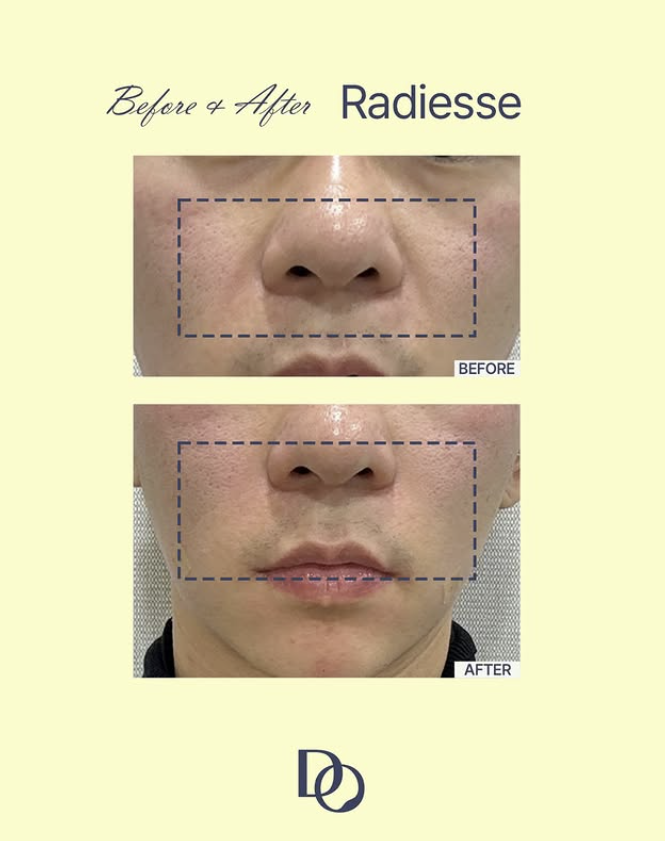
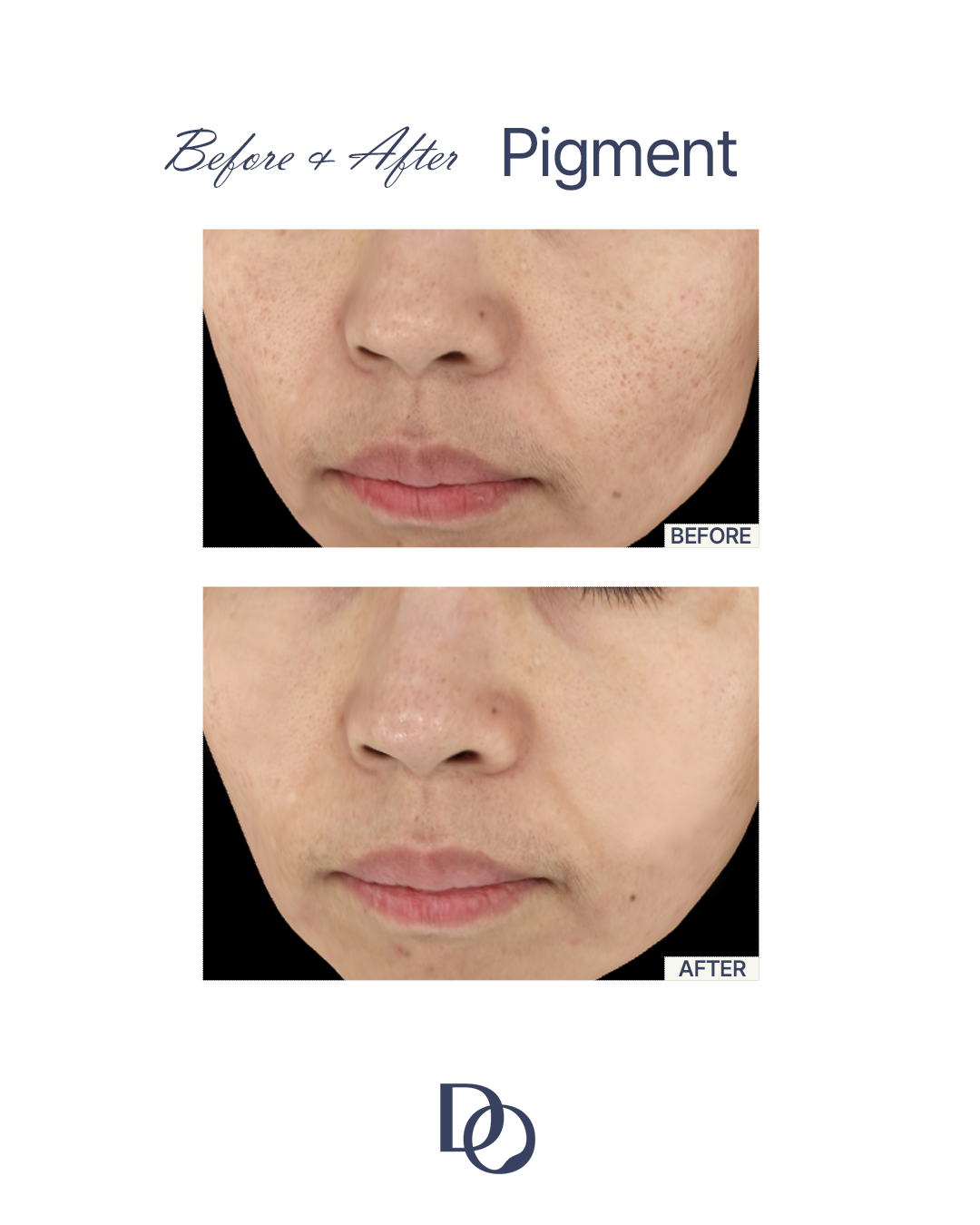
- Reduced pore size
- Better skin firmness
- Long-term collagen production
Several sessions are usually recommended for optimal improvement.
2. RF Microneedling
RF microneedling combines tiny insulated needles with radiofrequency energy to stimulate collagen deep within the skin.
Benefits include:
- Acne scar improvement
- Smaller-looking pores
- Better skin texture
- Increased collagen
- Minimal downtime
It is especially effective for rolling and boxcar scars.
3. Subcision
Subcision is a minor procedure that releases the fibrous bands beneath rolling scars.
Once the scar is released, the skin can gradually lift as new collagen develops.
Subcision is often combined with:
- RF microneedling
- Fractional laser
- Collagen-stimulating injectables
This combination often produces better results than any single treatment alone.
4. Juvelook
Juvelook is a collagen-stimulating skin booster containing PDLLA and hyaluronic acid.
It is commonly recommended for:
- Atrophic acne scars
- Enlarged pores
- Skin texture
- Overall collagen stimulation
Results improve gradually as new collagen forms.
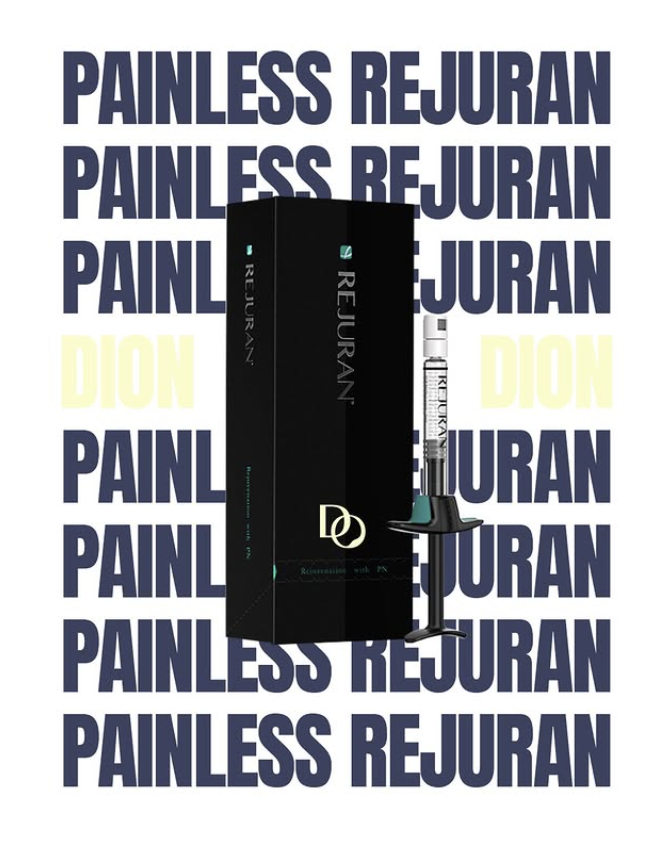
5. Rejuran (PN Skin Booster)
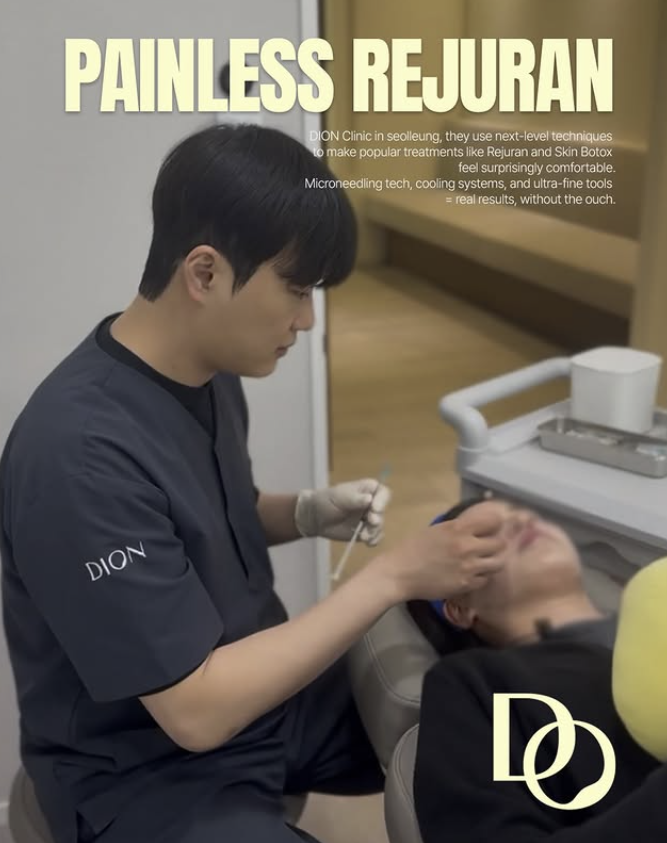
Rejuran supports skin regeneration using polynucleotides (PN).
Benefits include:
- Improved healing
- Better skin quality
- Increased elasticity
- Healthier skin barrier
- Smoother texture
It is often combined with laser treatments to support recovery and enhance overall results.
6. Exosome Therapy
Exosome skin boosters support tissue repair and regeneration.
Benefits include:
- Faster healing
- Improved collagen support
- Better skin quality
- Enhanced recovery after laser treatments
Exosomes are commonly used as part of combination acne scar treatment plans.
7. Chemical Peels
Chemical peels help improve:
- Mild acne scars
- Skin texture
- Acne marks
- Dull complexion
While they cannot correct deep scars, they are useful for improving the overall appearance of the skin.
Combination Treatments Deliver the Best Results
Acne scars usually involve multiple skin layers, so combination therapy often provides the greatest improvement.
A personalized treatment plan may include:
- Subcision for rolling scars
- Fractional laser for resurfacing
- RF microneedling for collagen stimulation
- Juvelook for long-term collagen remodeling
- Rejuran for skin regeneration
- Exosome therapy for enhanced healing
This layered approach improves both scar depth and overall skin quality.
How Many Sessions Are Needed?
Acne scar improvement takes time.
Most patients require:
- 3–6 treatment sessions
- Treatments every 4–8 weeks
The exact number depends on:
- Scar type
- Scar severity
- Skin type
- Treatment combination
Collagen remodeling continues for several months after each session.
When Will You See Results?
Some improvements may be visible after the first treatment.
However, because collagen develops gradually, the most noticeable results usually appear over the following 3–6 months.
Patients often continue seeing improvement throughout their treatment series.
Can Acne Scars Be Removed Completely?
Most acne scars can be significantly improved, but complete removal is rarely possible.
The goal is to:
- Reduce scar depth
- Smooth skin texture
- Improve skin tone
- Stimulate healthy collagen
- Make scars much less noticeable
Many patients achieve substantial improvement with a personalized treatment plan.
Can Acne Scar Treatments Be Combined with Active Acne Treatment?
If active acne is still present, your dermatologist will usually control breakouts first before beginning intensive scar treatments.
Treating active acne reduces the risk of developing new scars while improving the outcome of scar treatment.
Who Is a Good Candidate?
Professional acne scar treatment may be suitable for individuals who have:
- Ice pick scars
- Rolling scars
- Boxcar scars
- Enlarged pores
- Uneven skin texture
- Acne marks
- Long-standing acne scars
A consultation allows your dermatologist to determine which treatment—or combination of treatments—is most appropriate for your skin.
Why Choose Seoul for Acne Scar Treatment?
Seoul is internationally recognized for advanced acne scar treatment because Korean dermatology clinics emphasize individualized care.
International patients choose Korean skin clinics because they offer:
- Experienced board-certified dermatologists
- Advanced laser technologies
- RF microneedling
- Collagen-stimulating skin boosters
- Personalized treatment plans
- English-friendly services for international patients
Rather than relying on one procedure, Korean dermatologists combine multiple techniques to improve different scar types while preserving natural skin texture.
Final Thoughts
Acne scars can have a lasting impact on confidence, but today's treatments offer more options than ever before. Fractional laser, RF microneedling, subcision, Juvelook, Rejuran, and regenerative therapies each play a unique role in restoring smoother, healthier-looking skin.
The best results come from a personalized treatment plan based on your scar type, skin condition, and goals. With the right combination of treatments and patience during the collagen remodeling process, significant improvement in acne scars is achievable.