Hormonal Acne Solutions
Hormonal Acne Solutions: Best Treatments for Clearer Skin in Seoul

Hormonal acne is caused by hormonal fluctuations that increase oil production and inflammation, leading to persistent breakouts, especially on the lower face and jawline. The most effective treatment combines medical management, professional dermatology procedures, and a personalized skincare routine to control active acne, prevent future breakouts, and minimize acne scars.
Hormonal acne affects teenagers and adults alike, but it is particularly common in women during their 20s, 30s, and 40s. Unlike occasional pimples, hormonal acne tends to be deeper, more painful, and more likely to recur in the same areas.
Korean dermatology clinics take a personalized approach by identifying the underlying cause of hormonal acne and creating treatment plans that address oil production, inflammation, clogged pores, and post-acne pigmentation while protecting the skin barrier.
What Is Hormonal Acne?
Hormonal acne develops when changes in hormone levels stimulate the sebaceous (oil) glands to produce excess sebum.
This excess oil combines with dead skin cells and bacteria, leading to clogged pores and inflammation.
Hormonal acne commonly appears on:
- Jawline
- Chin
- Lower cheeks
- Neck
It often consists of:
- Deep, painful pimples
- Tender cysts
- Inflammatory nodules
- Recurring breakouts
What Causes Hormonal Acne?
Hormonal acne can be triggered by:
- Puberty
- Menstrual cycles
- Pregnancy
- Polycystic ovary syndrome (PCOS)
- Menopause
- Stress
- Genetics
- Certain medications
Because hormones influence oil production, treating only the surface of the skin is often not enough.
Signs You May Have Hormonal Acne
Hormonal acne often has recognizable characteristics.
Common signs include:
- Breakouts concentrated around the jawline and chin
- Painful cystic pimples
- Acne that worsens before menstruation
- Persistent adult acne
- Recurring blemishes in the same areas
- Acne that does not respond well to over-the-counter products
A dermatologist can help determine whether hormones are the primary cause of your acne.
Best Treatments for Hormonal Acne
1. Prescription Medications
Medical treatment is often the foundation of hormonal acne management.
Depending on your skin condition, your dermatologist may recommend:
- Topical retinoids
- Benzoyl peroxide
- Azelaic acid
- Topical antibiotics
- Oral antibiotics
- Oral isotretinoin for appropriate candidates
For some patients, hormone-targeted medications may also be considered after a proper medical evaluation.
2. Professional Acne Extraction
Professional extraction safely removes:
- Blackheads
- Whiteheads
- Congested pores
Unlike squeezing pimples at home, professional extraction minimizes the risk of:
- Infection
- Skin damage
- Permanent acne scars
3. Chemical Peels
Medical-grade chemical peels help improve hormonal acne by:
- Removing dead skin cells
- Keeping pores clear
- Controlling excess oil
- Improving skin texture
They are often recommended for mild to moderate acne and post-acne pigmentation.
4. Laser Treatments
Several laser treatments may help patients with hormonal acne.
Depending on your skin condition, your dermatologist may recommend:
- Laser toning
- Vascular laser
- Nd laser
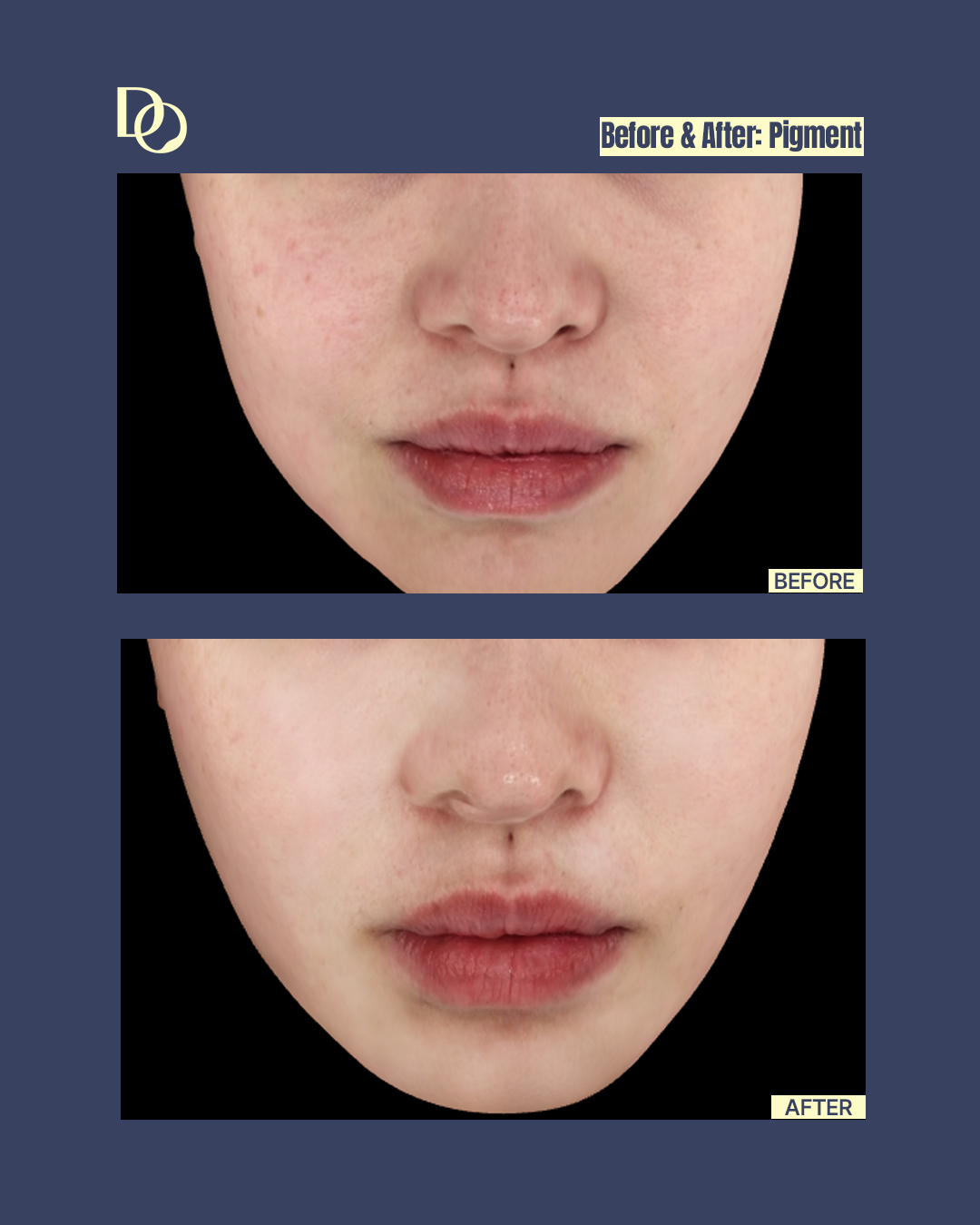
- Pico laser for post-acne pigmentation
Laser treatments can help reduce inflammation, improve redness, and fade acne marks once active acne is under better control.
5. Photodynamic Therapy (PDT)
Photodynamic therapy is often recommended for patients with persistent inflammatory acne.
Benefits include:
- Reduced oil production
- Fewer acne-causing bacteria
- Less inflammation
- Improved long-term acne control
6. Skin Barrier Repair
Many patients with hormonal acne also have an impaired skin barrier due to overuse of harsh skincare products.
Your dermatologist may recommend treatments that strengthen the skin barrier, such as:
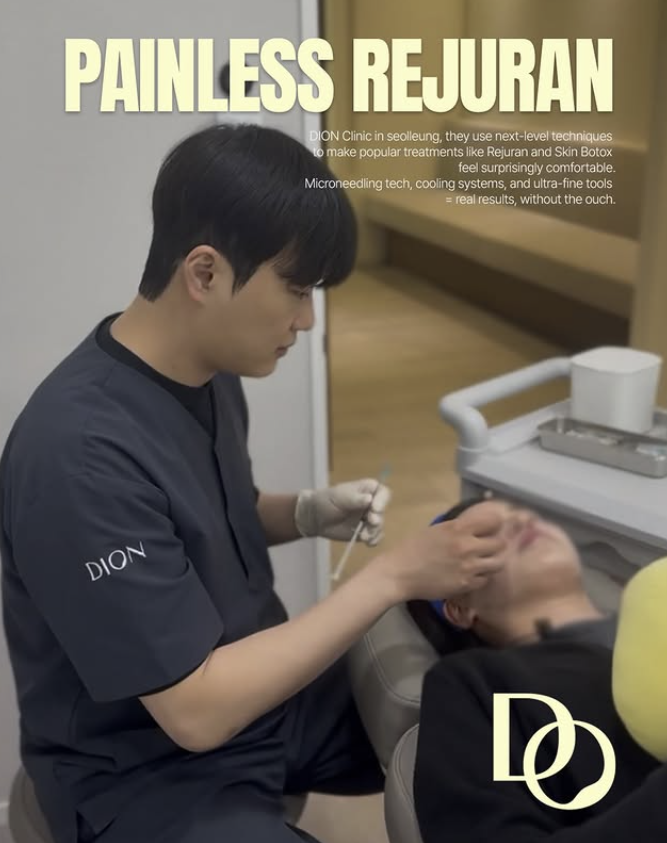
- Rejuran
- PN skin boosters
- Gentle hydrating treatments
These procedures are usually introduced after active inflammation has improved.
Treating Acne Scars After Hormonal Acne
Once active breakouts are under control, attention can shift to improving acne scars and skin texture.
Common treatments include:
- Fractional laser
- RF microneedling
- Subcision
- Juvelook
- Rejuran
- Exosome therapy
These treatments stimulate collagen production and gradually improve scar appearance.
Can Lifestyle Changes Help?
Lifestyle habits may support healthier skin, although they are not a substitute for medical treatment.
Helpful habits include:
- Following a consistent skincare routine
- Managing stress
- Getting adequate sleep
- Avoiding picking or squeezing pimples
- Wearing sunscreen daily
- Using non-comedogenic skincare products
Some individuals notice certain foods seem to worsen their acne, but triggers vary from person to person.
How Long Does Treatment Take?
Hormonal acne usually requires patience.
Many patients begin noticing improvement within 6–12 weeks, although long-term control often requires continued treatment and maintenance.
Following your dermatologist's treatment plan consistently offers the best chance of long-lasting improvement.
Can Hormonal Acne Be Prevented?
Hormonal changes cannot always be prevented, but early treatment can reduce the severity of breakouts and lower the risk of permanent acne scars.
Maintaining healthy skincare habits and seeking professional treatment when acne first appears often leads to better long-term outcomes.
Who Is a Good Candidate for Professional Treatment?
Professional treatment may be appropriate if you have:
- Painful cystic acne
- Adult acne
- Persistent jawline breakouts
- Acne that returns repeatedly
- Acne scars
- Acne that does not improve with over-the-counter products
A personalized consultation allows your dermatologist to identify the underlying causes and develop an effective treatment plan.
Why Choose Seoul for Hormonal Acne Treatment?
Seoul is internationally recognized for advanced acne treatment because Korean dermatology clinics focus on individualized care.
International patients choose Korean skin clinics because they offer:
- Experienced board-certified dermatologists
- Advanced laser technologies
- Personalized treatment plans
- Comprehensive skin analysis
- Combination therapies for active acne and acne scars
- English-friendly services for international patients
Rather than treating only the visible pimples, Korean dermatologists focus on reducing inflammation, preventing future breakouts, protecting the skin barrier, and improving long-term skin health.
Final Thoughts
Hormonal acne can be frustrating, but it is highly manageable with the right treatment plan. The most successful approach combines medical therapy, professional dermatology procedures, and a consistent skincare routine to control breakouts while preventing future acne and scarring.
Whether your concerns involve painful cystic acne, recurring jawline breakouts, or post-acne scars, an experienced Korean dermatologist can create a personalized treatment plan to help you achieve clearer, healthier skin.