Dark Spot Removal Guide
Dark Spot Removal Guide: Best Treatments for Clearer, More Even-Toned Skin

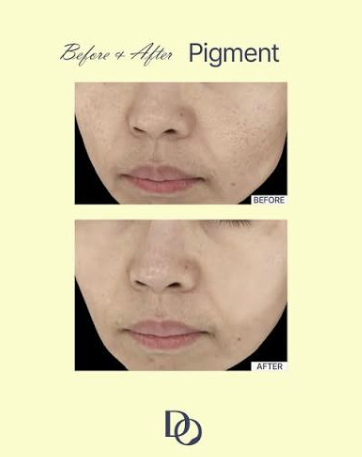
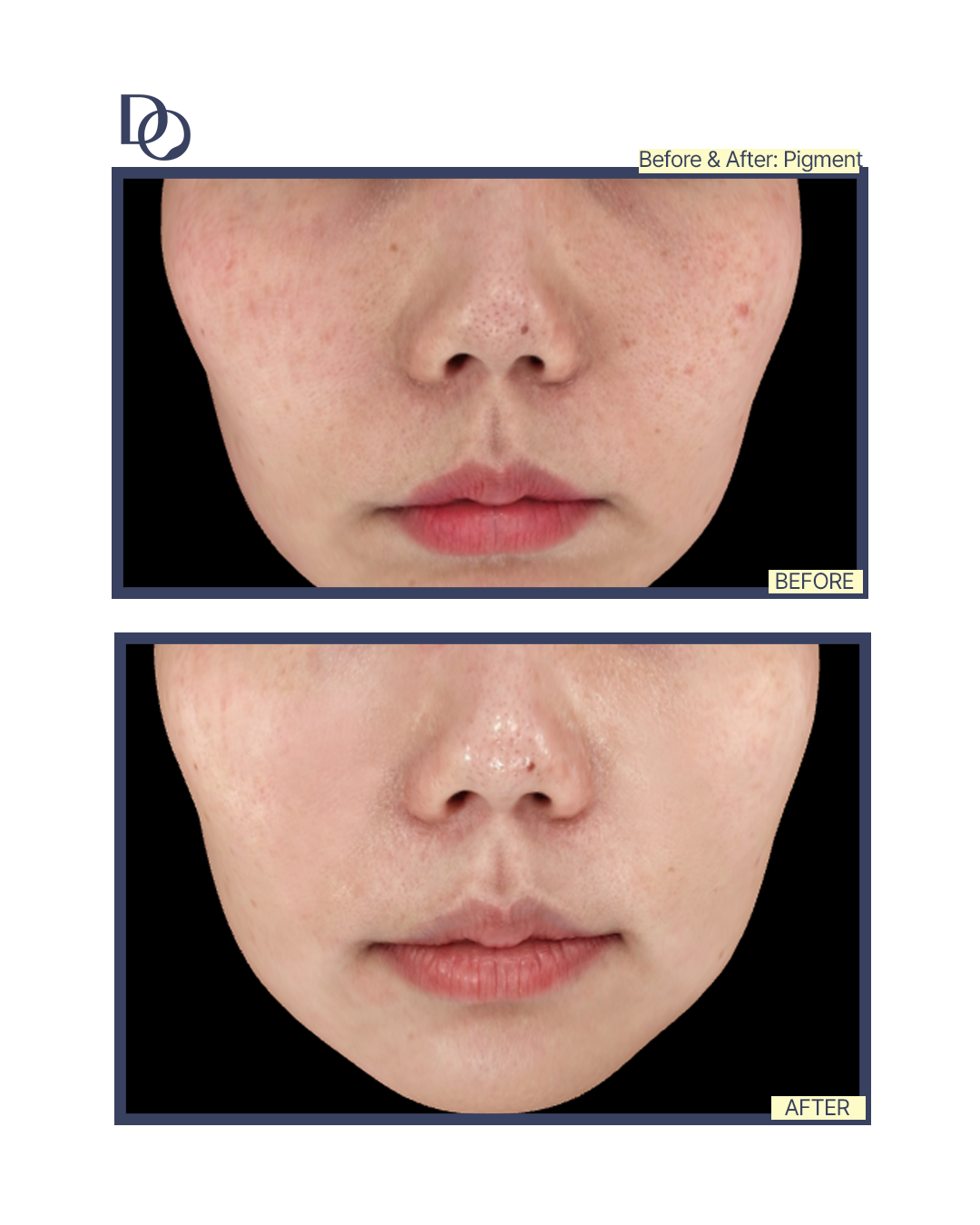
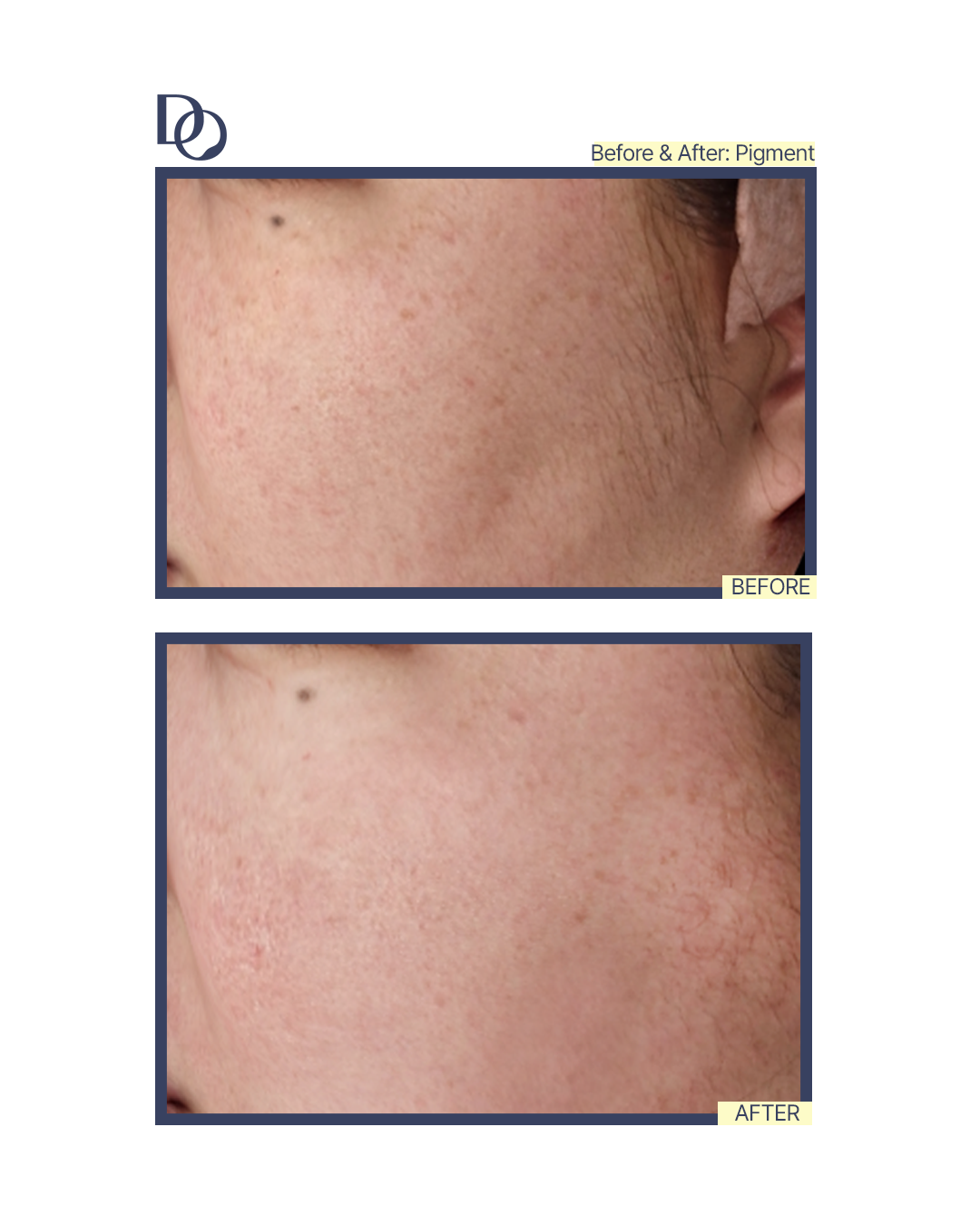
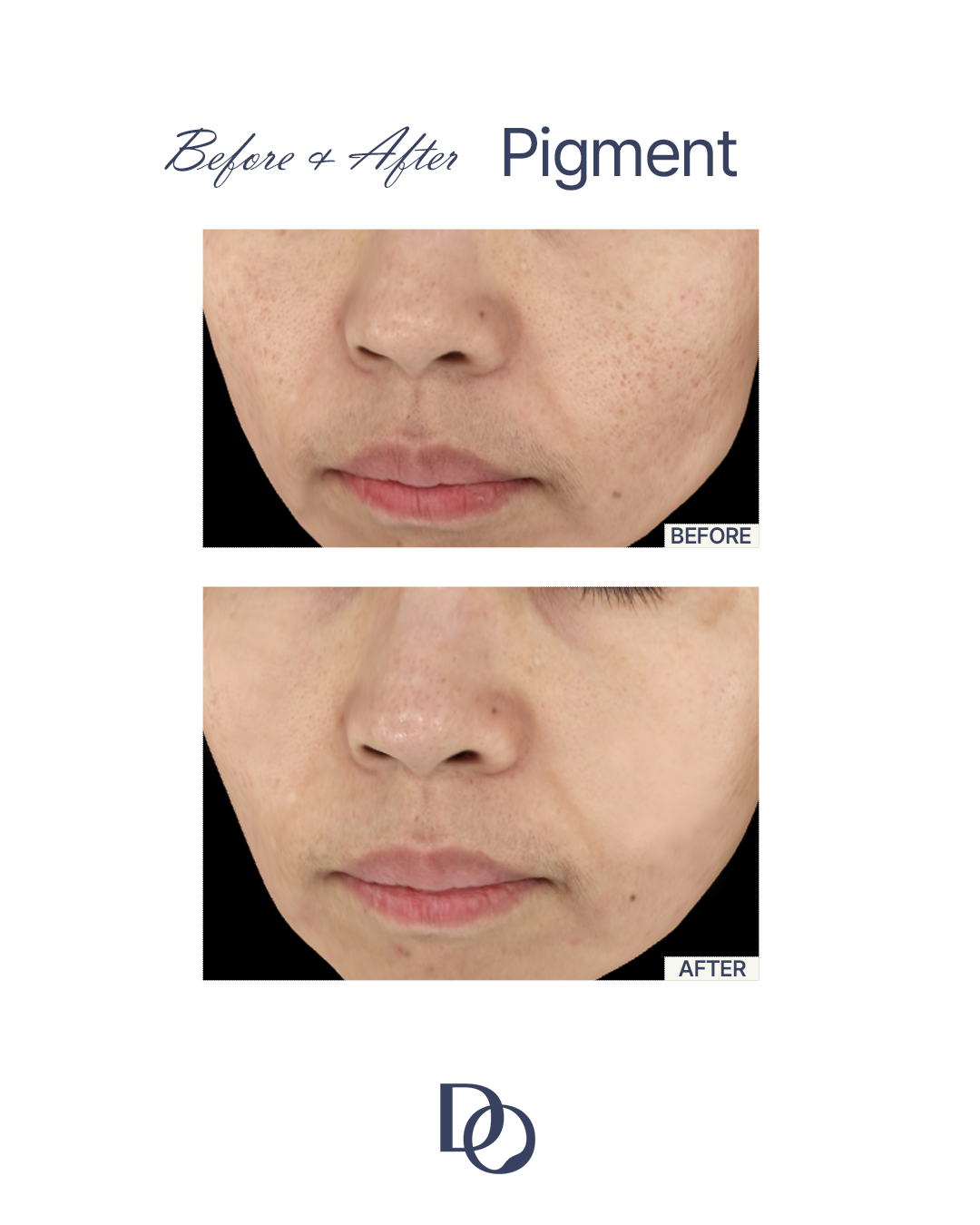
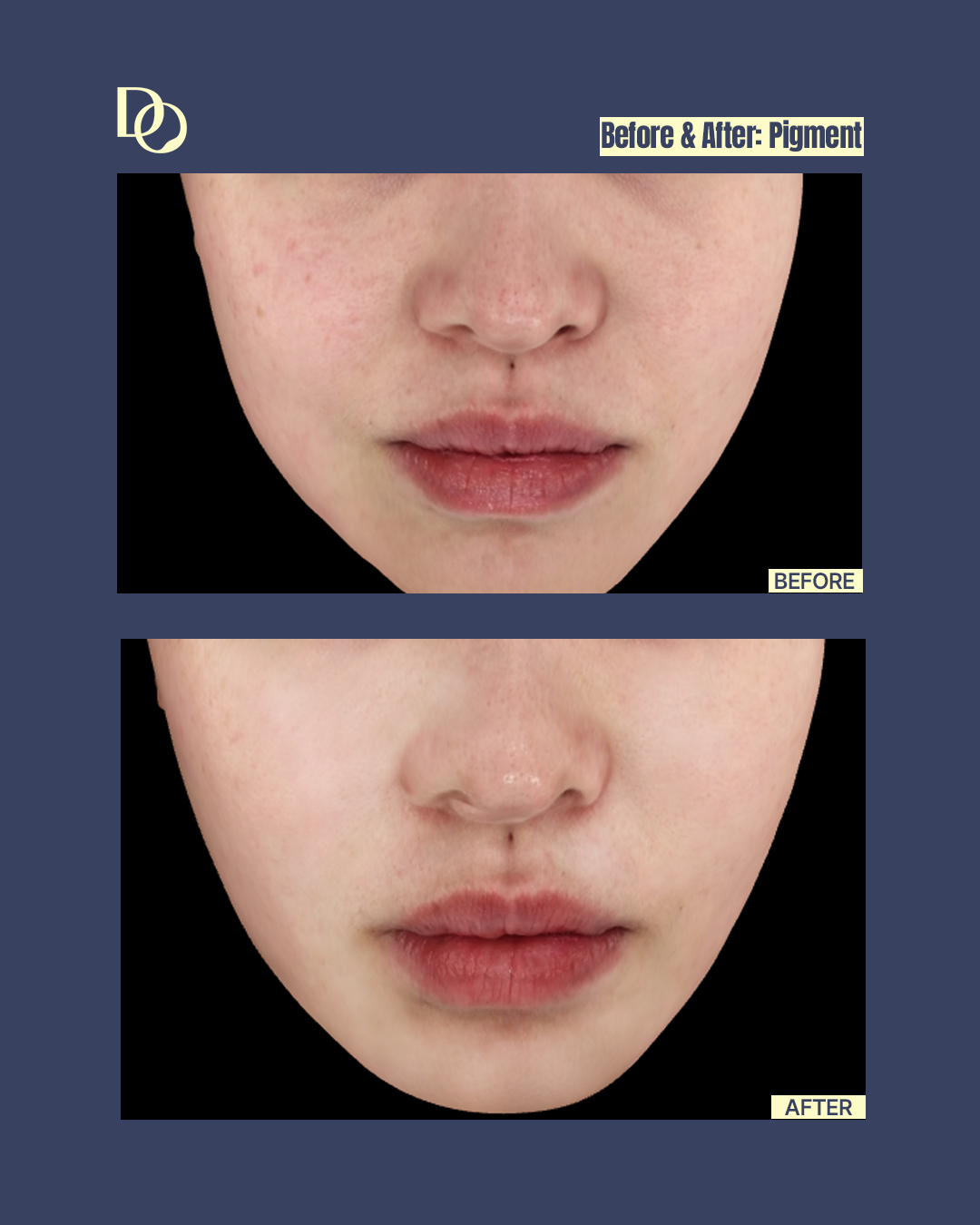
Dark spots can develop from sun exposure, acne, inflammation, aging, or hormonal changes. The best dark spot removal treatment depends on the type and depth of pigmentation, which is why Korean dermatology clinics use personalized combinations of Pico laser, laser toning, IPL, chemical peels, prescription skincare, and sun protection to safely brighten the skin and reduce recurrence.
Dark spots are one of the most common skin concerns among both men and women. They may appear as freckles, sunspots, acne marks, age spots, or uneven patches of pigmentation on the face.
While some pigmentation fades naturally, deeper or recurring dark spots often require professional treatment. Korean dermatologists focus on identifying the cause of pigmentation before selecting the most appropriate laser, peel, or skincare treatment.
What Causes Dark Spots?
Dark spots form when the skin produces excess melanin.
Common causes include:
- Sun exposure
- Acne
- Skin inflammation
- Hormonal changes
- Aging
- Genetics
- Certain medications
- Previous skin irritation
Different causes require different treatment strategies, so an accurate diagnosis is essential.
Common Types of Dark Spots
Sunspots
Sunspots are flat brown marks caused by long-term ultraviolet exposure.
They commonly appear on:
- Cheeks
- Forehead
- Nose
- Hands
- Other sun-exposed areas
Freckles
Freckles are small brown spots that often become darker after sun exposure.
They may respond well to laser treatment but can return without consistent sun protection.
Post-Inflammatory Hyperpigmentation
Post-inflammatory hyperpigmentation, or PIH, develops after acne, irritation, burns, or other skin inflammation.
It is particularly common in darker and Asian skin tones.
Melasma
Melasma causes larger, symmetrical patches of brown or gray pigmentation.
It often appears on the cheeks, forehead, nose, and upper lip and requires gradual, long-term management.
Age Spots
Age spots are usually caused by accumulated sun exposure and become more common over time.
They are often well defined and may respond quickly to targeted laser treatment.
Best Dark Spot Removal Treatments
1. Pico Laser
Pico laser is one of the most popular treatments for dark spots in Korean dermatology clinics.
It uses ultra-short pulses to break pigment into tiny particles while minimizing unnecessary heat.
Pico laser may help improve:
- Freckles
- Sunspots
- Acne marks
- Age spots
- Uneven skin tone
- Selected cases of melasma
Benefits include minimal downtime and gradual skin brightening.
2. Laser Toning
Laser toning uses low-energy laser settings to gradually reduce pigmentation.
It is commonly recommended for:
- Melasma
- Diffuse pigmentation
- Dull skin
- Uneven complexion
- Post-acne marks
Because treatment is gentle, multiple sessions are usually required.
3. IPL
IPL uses broad-spectrum light to treat superficial pigmentation and redness across larger areas.
It may be suitable for:
- Sun damage
- Freckles
- Age spots
- Uneven skin tone
- Facial redness
IPL is often chosen by patients who want overall photorejuvenation rather than treatment of a single dark spot.
4. Chemical Peels
Medical-grade chemical peels remove damaged surface cells and encourage healthier skin renewal.
They can help improve:
- Mild pigmentation
- Post-acne marks
- Dull complexion
- Rough skin texture
- Congested pores
The type and strength of peel should be selected according to your skin type and sensitivity.
5. Prescription Pigmentation Creams
Topical treatment is often an important part of dark spot removal.
Depending on your condition, a dermatologist may recommend ingredients such as:
- Hydroquinone
- Azelaic acid
- Retinoids
- Tranexamic acid
- Vitamin C
- Niacinamide
These ingredients help regulate pigment production and support long-term maintenance.
6. Skin Boosters
Skin boosters do not directly remove dark pigment, but they can improve hydration, barrier function, and overall skin quality.
Common options include:
- Rejuran
- PN skin boosters
- Hyaron
- Exosome skin boosters
They may be combined with lasers to support recovery and create a healthier, more radiant complexion.
Which Treatment Is Best for Your Dark Spots?
Freckles and Sunspots
Often treated with:
- Pico laser
- IPL
- Targeted pigment laser
Post-Acne Dark Marks
Common options include:
- Pico laser
- Laser toning
- Chemical peels
- Prescription skincare
Melasma
Usually requires:
- Laser toning
- Gentle Pico laser protocols
- Prescription topical treatment
- Strict sun protection
- Maintenance therapy
Age Spots
May respond well to:
- Targeted pigment laser
- Pico laser
- IPL
Why Combination Treatment Works Better
Pigmentation may exist at different depths and may have more than one cause.
A personalized plan may combine:
- Pico laser for targeted pigmentation
- Laser toning for diffuse discoloration
- Chemical peels for surface renewal
- Prescription skincare for pigment control
- Skin boosters for barrier support
- Sunscreen for recurrence prevention
This approach often provides more balanced and longer-lasting improvement than a single procedure.
How Many Sessions Are Needed?
The number of sessions depends on the pigmentation type.
Typical treatment plans may include:
- Freckles and sunspots: 1–3 sessions
- Post-acne pigmentation: 3–5 sessions
- Melasma: 5–10 sessions or ongoing maintenance
- General skin brightening: 3–5 sessions
Your dermatologist may adjust the schedule based on how your skin responds.
When Will You See Results?
Some dark spots temporarily become darker after treatment before flaking or fading.
A general timeline may include:
- Several days: Temporary darkening or mild redness
- 1–3 weeks: Early fading of superficial spots
- 1–3 months: More even skin tone
- Several months: Continued improvement with a treatment series
Melasma and deeper pigmentation generally require more patience than isolated sunspots.
Is Dark Spot Removal Safe for Asian Skin?
Yes, when the correct treatment and settings are selected.
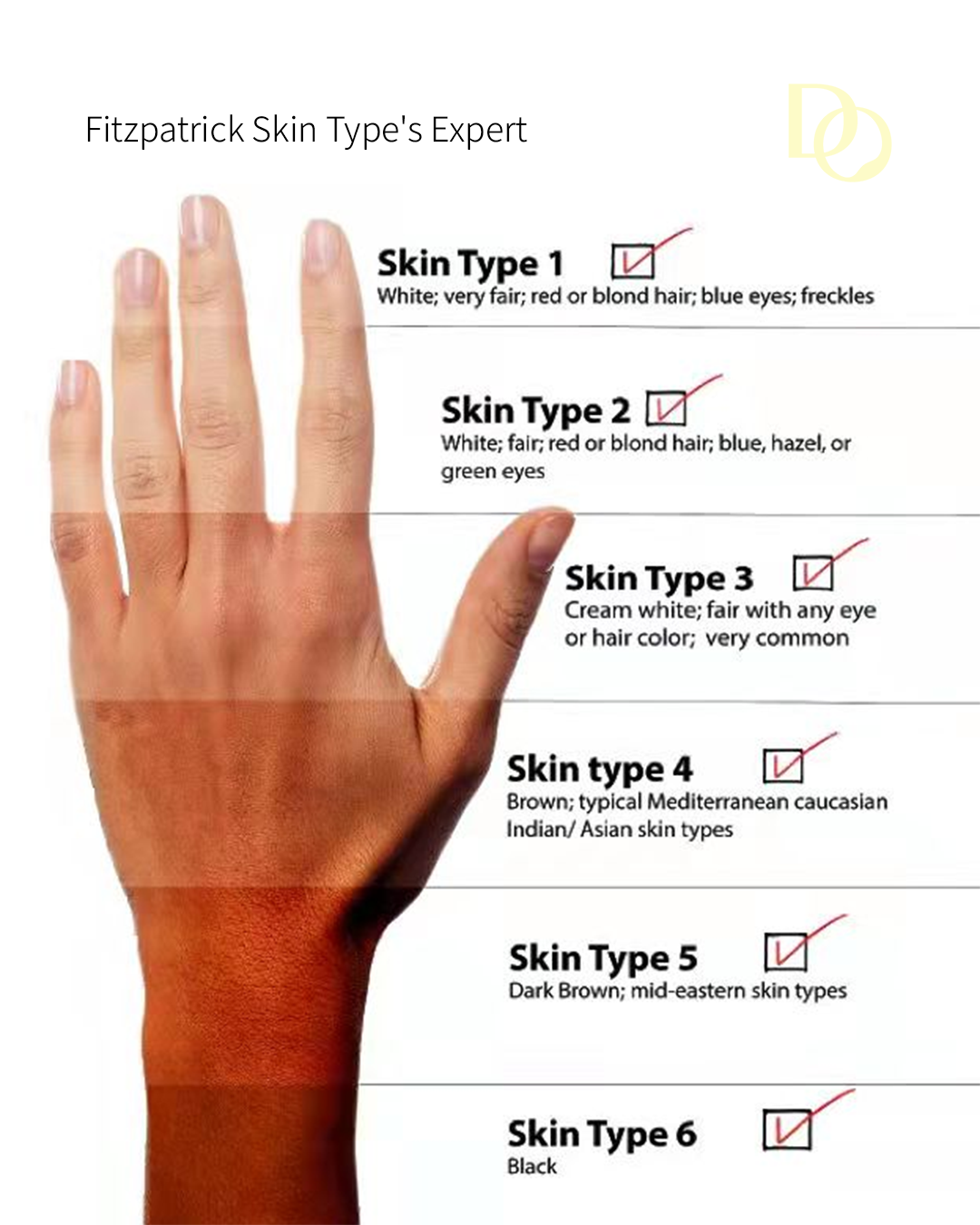
Asian skin is more prone to post-inflammatory hyperpigmentation, especially after excessive heat or aggressive resurfacing.
An experienced dermatologist will consider:
- Skin tone
- Pigment depth
- Sensitivity
- Previous treatment history
- Risk of rebound pigmentation
A gradual approach is often safer than overly aggressive treatment.
Dark Spot Removal Aftercare
Proper aftercare helps prevent irritation and recurrence.
Recommendations may include:
- Wear broad-spectrum sunscreen every day
- Avoid picking or rubbing treated skin
- Use gentle cleansers and moisturizers
- Avoid strong exfoliants until the skin recovers
- Follow prescribed skincare instructions
- Limit unnecessary sun and heat exposure
Sun protection is the most important step for maintaining results.
Can Dark Spots Return?
Yes.
Dark spots may return due to:
- Sun exposure
- Hormonal changes
- New acne
- Skin inflammation
- Inconsistent sunscreen use
Maintenance treatments and daily skincare help reduce recurrence.
Who Is a Good Candidate?
Professional dark spot treatment may be appropriate if you have:
- Freckles
- Sunspots
- Acne marks
- Age spots
- Melasma
- Uneven skin tone
- Pigmentation that does not improve with skincare
A consultation can determine the pigmentation type and the safest treatment plan.
Why Choose Korea for Dark Spot Removal?
Korea is internationally recognized for advanced pigmentation treatment and personalized dermatology care.
International patients choose Korean skin clinics because they offer:
- Experienced dermatologists
- Advanced Pico laser technology
- Customized laser settings
- Combination pigmentation treatments
- Comprehensive skin analysis
- English-friendly support for international patients
Rather than treating every brown spot the same way, Korean dermatologists select treatments according to pigment depth, skin tone, and the risk of recurrence.
Final Thoughts
The best dark spot removal treatment depends on whether your pigmentation is caused by sun exposure, acne, aging, inflammation, or melasma. Pico laser, laser toning, IPL, chemical peels, and prescription skincare each serve different purposes.
For the safest and most effective results, treatment should begin with an accurate diagnosis and a personalized plan. With the right combination of professional treatment, consistent skincare, and daily sun protection, clearer and more even-toned skin is achievable.