Melasma Treatment in Korea
Melasma Treatment in Korea: Best Solutions for Stubborn Pigmentation

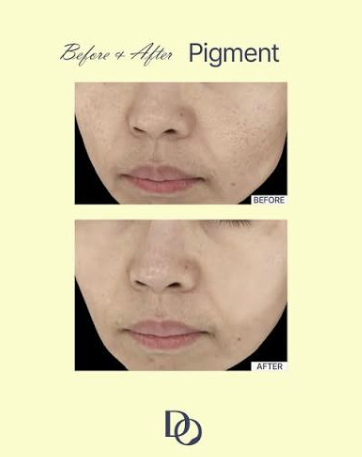
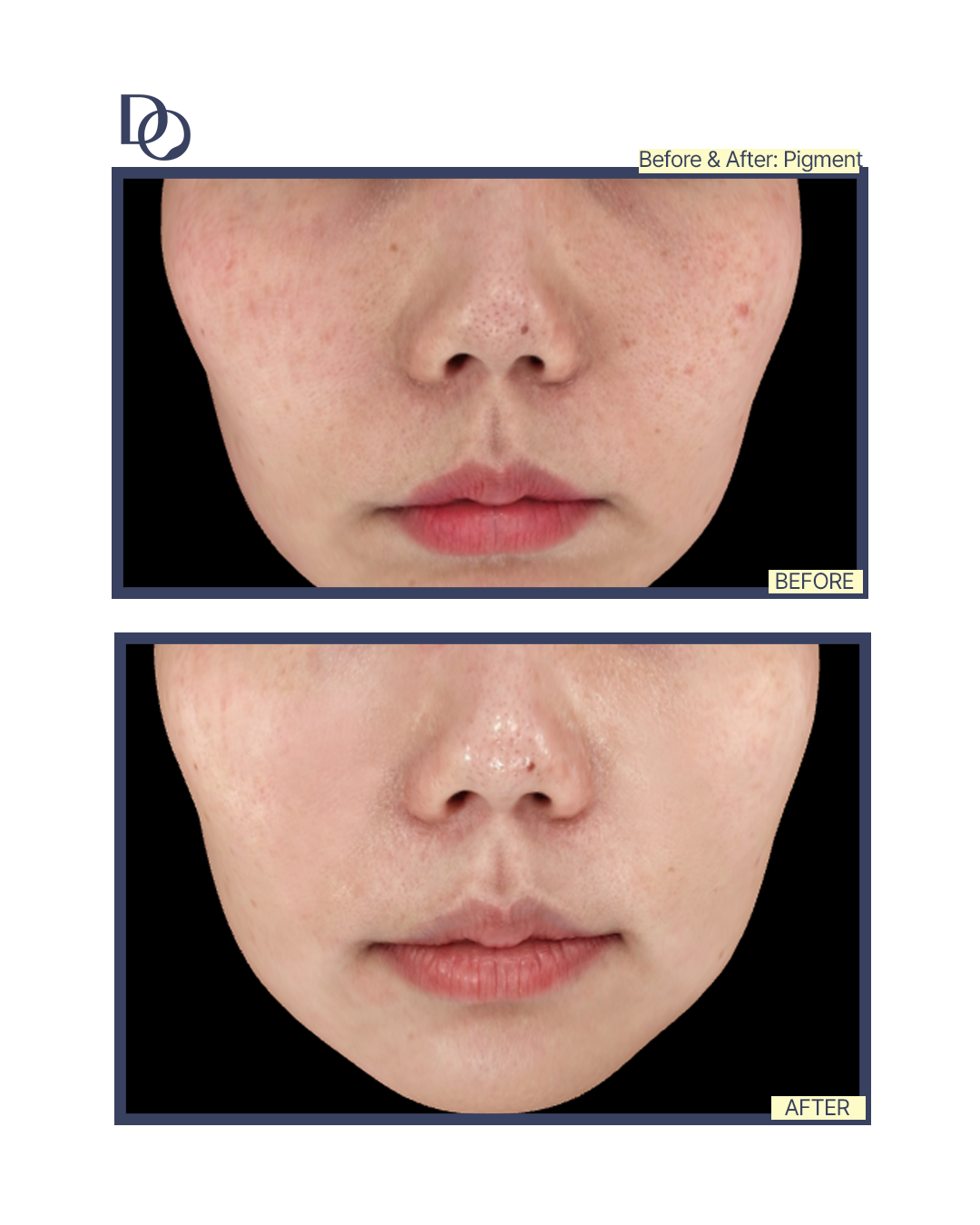
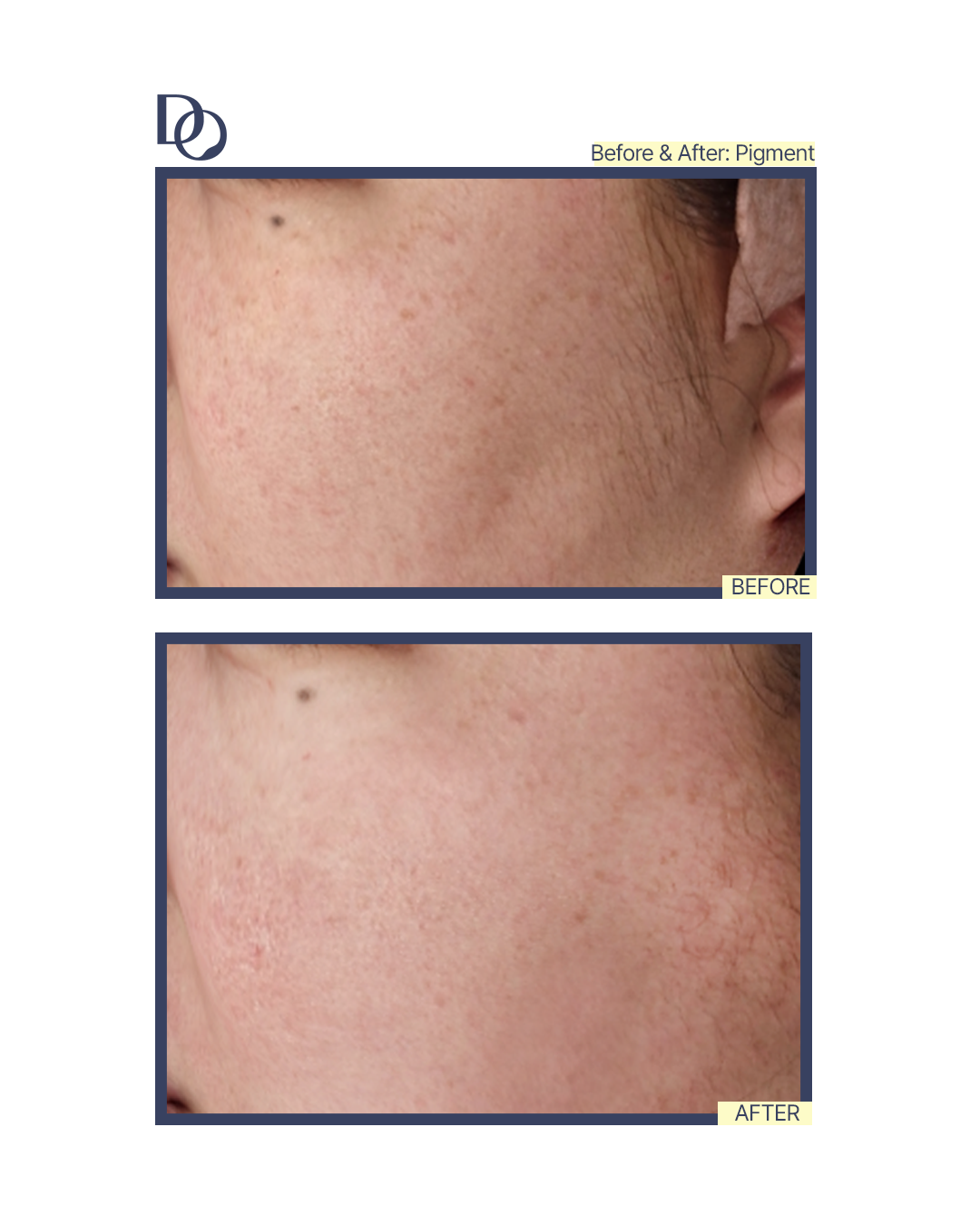
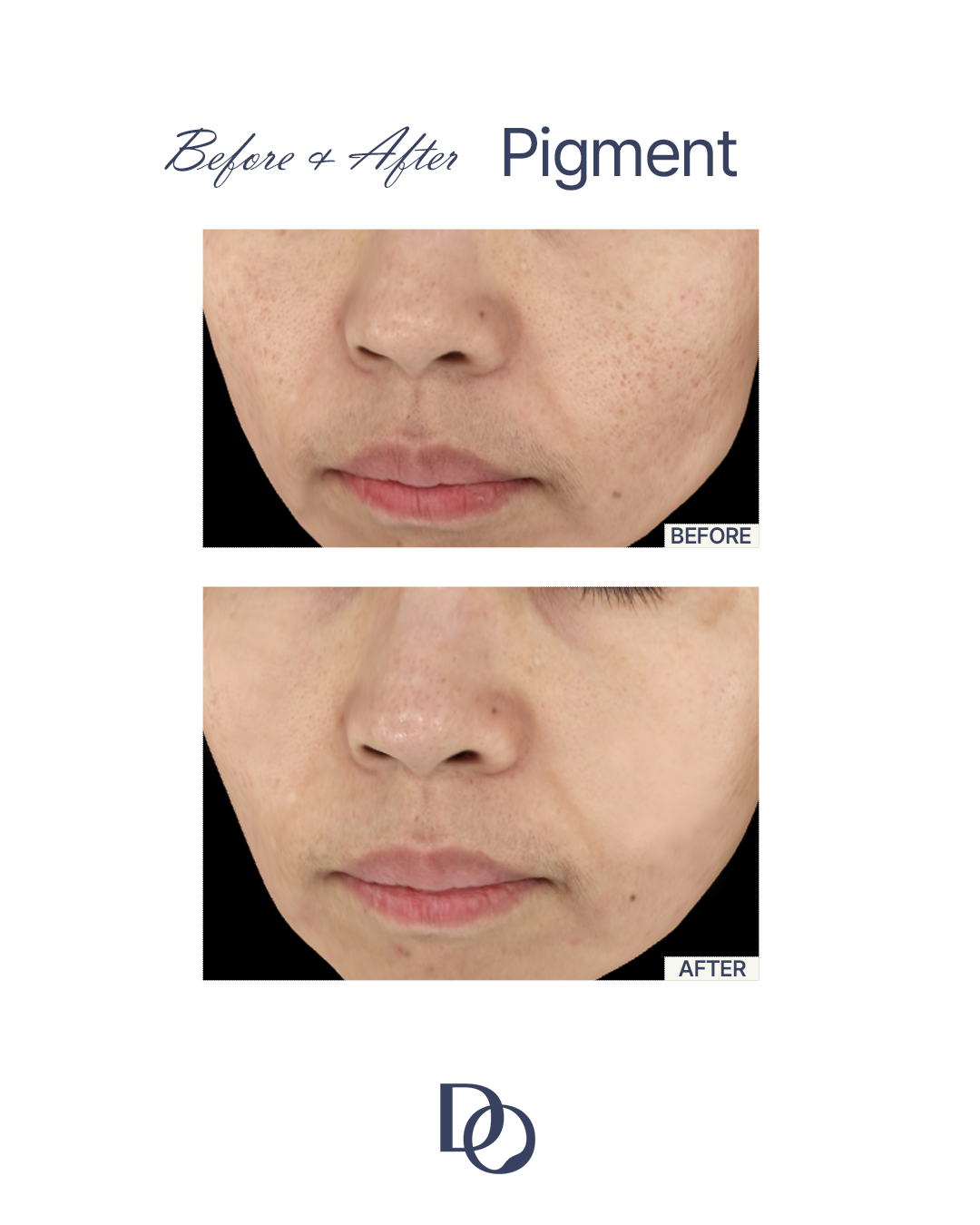
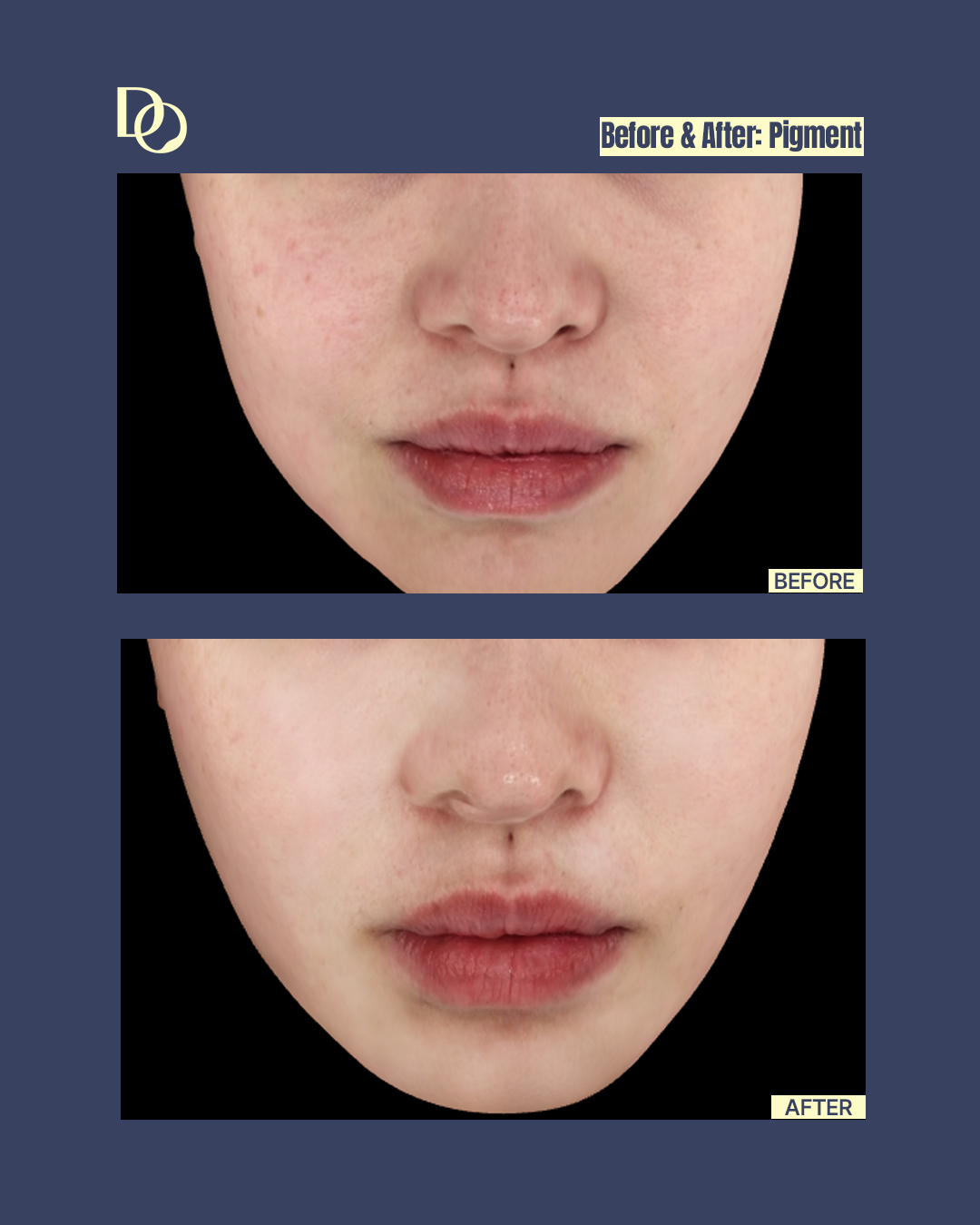
Melasma is a chronic pigmentation disorder that causes symmetrical brown or gray patches, most commonly on the cheeks, forehead, nose, and upper lip. Korean dermatology clinics treat melasma using personalized combination therapies such as Pico laser, laser toning, topical medications, oral treatments when appropriate, skin boosters, and strict sun protection to gradually lighten pigmentation while minimizing recurrence.
Melasma is one of the most challenging pigmentation conditions to treat. Unlike freckles or sunspots, melasma develops deeper within the skin and often returns if not properly managed.
Rather than relying on aggressive laser treatments alone, Korean dermatologists focus on long-term pigment control. By combining advanced laser technology, medical skincare, and lifestyle guidance, they help patients achieve brighter, more even-toned skin while reducing the risk of rebound pigmentation.
What Is Melasma?
Melasma is a common pigmentation disorder characterized by irregular brown or gray-brown patches on the face.
It most commonly appears on:
- Cheeks
- Forehead
- Nose
- Upper lip
- Chin
Unlike age spots, melasma usually develops in a symmetrical pattern on both sides of the face.
What Causes Melasma?
Melasma develops when melanocytes produce excessive amounts of melanin.
Common triggers include:
- Sun exposure
- Hormonal changes
- Pregnancy
- Birth control pills
- Genetics
- Heat exposure
- Certain medications
- Visible light exposure
Even after successful treatment, continued exposure to these triggers may cause melasma to recur.
Why Is Melasma Difficult to Treat?
Melasma is a chronic condition rather than a temporary skin problem.
Several factors make treatment more challenging:
- Pigment often extends into deeper skin layers.
- Sunlight continuously stimulates pigment production.
- Hormonal influences may persist.
- Overly aggressive treatment can worsen pigmentation in some patients.
For these reasons, gradual improvement is generally safer and more effective than attempting to remove pigmentation too quickly.
Best Melasma Treatments in Korea
1. Pico Laser
Pico laser is one of the most popular treatments for melasma in Korean dermatology clinics.
It delivers ultra-short pulses of energy that fragment pigment while minimizing unnecessary heat.
Benefits include:
- Gradual pigment reduction
- Brighter skin tone
- Improved skin clarity
- Minimal downtime
- Suitable for repeated treatments
Pico laser is often incorporated into a long-term melasma management plan.
2. Laser Toning
Low-fluence laser toning is widely used in Korea for melasma management.
Benefits include:
- Progressive lightening of pigmentation
- Improved skin tone
- Reduced risk of excessive skin irritation
- Little to no downtime
Multiple treatment sessions are typically recommended because melasma responds best to gradual improvement.
3. Prescription Topical Medications
Medical creams play an essential role in melasma treatment.
Depending on your skin condition, your dermatologist may recommend ingredients such as:
- Hydroquinone
- Azelaic acid
- Retinoids
- Tranexamic acid
- Vitamin C
These medications help regulate melanin production while supporting long-term pigment control.
4. Oral Tranexamic Acid
For selected patients, dermatologists may recommend oral tranexamic acid as part of a comprehensive treatment plan.
It may help reduce excessive pigment production in appropriate candidates.
Because it is a prescription medication, suitability depends on your medical history, risk factors, and a consultation with your dermatologist.
5. Skin Boosters
Healthy skin often responds better to pigmentation treatment.
Popular skin boosters include:
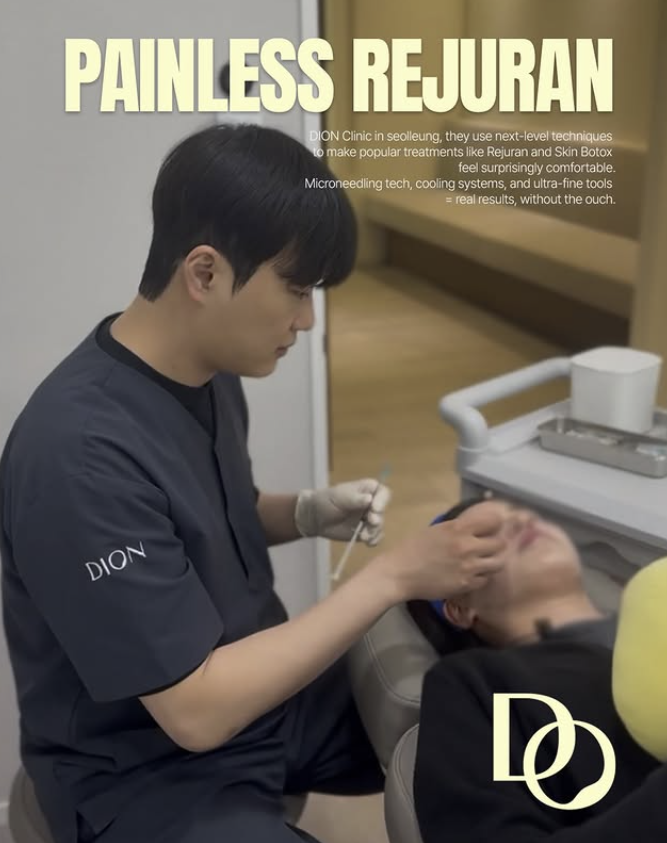
- Rejuran
- PN skin boosters
- Hyaron
- Exosome skin boosters
Benefits include:
- Improved skin barrier
- Better hydration
- Healthier skin quality
- Reduced irritation from pigmentation treatments
- Enhanced overall skin appearance
Although skin boosters do not directly remove melasma, they complement laser treatments by improving overall skin health.
6. Medical-Grade Skincare
Daily skincare is one of the most important parts of successful melasma management.
Your dermatologist may recommend:
- Vitamin C serum
- Niacinamide
- Gentle cleansers
- Barrier-repair moisturizers
- Broad-spectrum sunscreen
Proper skincare helps maintain treatment results between clinic visits.
The Importance of Sunscreen
Sun protection is essential for preventing melasma recurrence.
Dermatologists recommend:
- Daily broad-spectrum sunscreen
- Reapplying sunscreen throughout the day when outdoors
- Wearing hats and seeking shade during prolonged sun exposure
Without consistent sun protection, even successful treatments may be followed by the return of pigmentation.
Combination Therapy Produces Better Results
Korean dermatologists rarely treat melasma with a single procedure.
A personalized treatment plan may combine:
- Pico laser
- Laser toning
- Prescription topical medications
- Oral tranexamic acid when appropriate
- Skin boosters
- Medical-grade skincare
This comprehensive approach targets pigment production while supporting healthier skin and reducing the likelihood of recurrence.
How Many Treatments Are Needed?
Melasma requires ongoing management rather than a one-time treatment.
Many patients benefit from:
- 5–10 laser sessions
- Treatments every 2–4 weeks, depending on the treatment plan
Maintenance treatments may be recommended to help keep pigmentation under control.
When Will You See Results?
Results develop gradually.
Many patients notice:
- 4–8 weeks: Brighter complexion
- 2–3 months: Noticeable fading of pigmentation
- Several months: Continued improvement with consistent treatment and sun protection
Patience and consistency are key to successful melasma treatment.
Who Is a Good Candidate?
Professional melasma treatment may be appropriate if you have:
- Brown facial pigmentation
- Symmetrical dark patches
- Pregnancy-related pigmentation
- Sun-induced melasma
- Recurrent pigmentation
- Uneven skin tone
A dermatologist can confirm whether your pigmentation is melasma or another condition and recommend the most appropriate treatment.
Why Choose Korea for Melasma Treatment?
Korea is internationally recognized for its expertise in pigmentation management and advanced laser technology.
International patients choose Korean dermatology clinics because they offer:
- Experienced board-certified dermatologists
- Advanced Pico laser technology
- Laser toning protocols
- Personalized treatment plans
- Comprehensive skin analysis
- English-friendly services for international patients
Rather than aggressively removing pigment, Korean dermatologists focus on safely controlling melasma over the long term while preserving healthy skin.
Final Thoughts
Melasma is a chronic condition, but it can be effectively managed with the right treatment strategy. The best results come from a personalized combination of Pico laser, laser toning, prescription medications, skin boosters, and diligent sun protection, rather than relying on a single treatment.
Working with an experienced Korean dermatologist allows you to develop a long-term plan that gradually fades pigmentation, improves overall skin quality, and reduces the likelihood of future flare-ups. With consistent care and maintenance, clearer, brighter, and more even-toned skin is an achievable goal.